
Pavkovic: Attempt to organize civil protests would be a risky move for the opposition
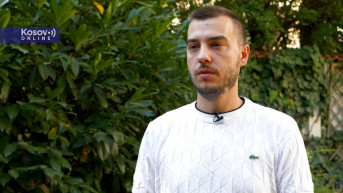
Milos Pavkovic, Director of Strategy at the Center for European Policy, believes that opposition political parties in Kosovo will be very cautious about calling on citizens to protest because there is a possibility that such protests could fail for several reasons.
Pavkovic told Kosovo Online that there is frustration within the opposition over the actions of Self-Determination leader and Kosovo's caretaker Prime Minister Albin Kurti and the institutional deadlock, but that the question is how successful a call for protests would be.
“Over the past few days, MPs from opposition parties have tried to enter the assembly. They were unsuccessful, so they tried staging some performances to enter parliament, give speeches in front of an empty chamber, and so on. Obviously, there is a certain degree of frustration within the opposition over what Kurti is doing, and they are probably also considering organizing protests in an attempt to send a message that what Kurti is doing constitutes a violation of the Constitution and that they have the citizens on their side. However, the question is how successful those protests would be, that is, how many citizens they would attract. It has been shown that opposition parties actually do not have the capacity to organize a major protest against Kurti. On the other hand, it is summer, the holiday season, so the question is how many people are even in Kosovo, and third, it has become clear that citizens are frustrated with both the government and the opposition,” Pavkovic said.
According to him, calling for protests would be a very risky move for the opposition.
“No one achieved a favorable result in the elections, so an attempt to organize civil protests would be a very risky move for the opposition, because if they failed to attract a substantial number of citizens, it would actually only give Kurti a boost and could potentially be damaging in any new parliamentary elections, because it would affect the perception of the opposition as incapable and not up to the task,” our interlocutor said.
As he put it, it is clear that there is no common ground among Kosovo's opposition parties.
“However, there is also no potential in the sense that they have a significant number of seats and could form a government together, which would at least provide a basis for negotiations. Given the situation, even if the opposition were to unite, it would not have enough seats to form a government, and there are no negotiations among the opposition parties. We can even see that there are talks between Self-Determination and the Democratic League of Kosovo about a potential future government. As a result, the Alliance and PDK do not have the potential to do anything more,” Pavkovic said.


0 comments