
Ristanovic: Justified fear of Albanization in northern Kosovo, the goal is the displacement of Serbs
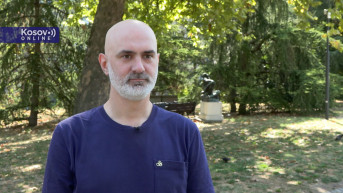
Scientific Associate of the Institute for Serbian Culture in Leposavic, Dr. Petar Ristanovic, stated in an interview with Kosovo Online that there is a justified fear among Serbs in northern Kosovo due to the Kosovo government's plan to build 200 houses for minority communities and the privatization of premises that were until recently used by the Serbian community, especially in the context of current tensions.
"I believe there is a reason for fear among Serbs if all of this is viewed in the context of broader events. If the situation in that area were normal, without tensions, the construction of houses for the poor and members of minority communities or the privatization of premises belonging to failed companies would be something completely usual and expected. But in the context of current events and the ongoing de facto attempts to force Serbs to leave, or to create such living conditions that an increasing number of Serbs decide to move out of the parts of Kosovo that are still predominantly inhabited by Serbs, then these events are indeed part of a broader policy that is not official, but we are all witnesses to its existence on the ground," said Ristanovic.
He added that most of the problems for Serbs in the north have practically occurred since Kurti came to power.
"The situation was far from ideal before, but negotiations were ongoing, and there was an understanding among all three involved parties: Pristina, Belgrade, and the international community. Any long-term agreement and normalization of the situation in Kosovo are impossible without the consent of the Serbian side—both the Serbs in Kosovo and those in Belgrade. Kurti changed that; his policy is to force matters to a point where any final agreement would merely be an acceptance of the reality on the ground, a reality that is being imposed by force, through both formal and informal pressures, and the purchasing of premises is part of that," our interlocutor emphasizes.
When asked whether the increasing presence of Albanian businesses in northern Kosovo is evidence that national tensions might be easing, Ristanovic notes that business has always functioned well in Kosovo.
"As someone who studies the history of Kosovo during the period of communist Yugoslavia, when the situation was far more normal than it is today, I have witnessed through conversations with people and have often heard how they only had praise for business cooperation with Albanians, especially in the private sector. The situation was similar in the 1990s. The circumstances were extraordinary, the conditions were extraordinary, but still, business functioned, work continued, and people cooperated even in those extraordinary circumstances," he says.
However, he points out that when the armed uprising and the war began, loyalty and cooperation disappeared overnight.
"Those lines of national division were very evident in 1998. Any loyalty and cooperation that existed in the earlier period practically vanished overnight. The fact that Albanians are opening businesses in northern Kosovo, under normal circumstances, would be something expected, even desirable, but when viewed in the context of current events, it raises and provokes caution and suspicion, even though we cannot say that every Albanian who opens a business has malicious intent," Ristanovic concluded.



comments