
Sarrazin: The refusal of Kosovo politicians to participate in meetings discussing the dinar indicates less sovereignty
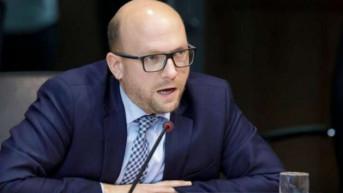
German government Envoy for the Western Balkans, Manuel Sarrazin, sees the issue of the dinar ban in Kosovo as linked to the Kosovo-Serbia dialogue process. While acknowledging that the legitimate goal is for the euro to be the sole currency in Kosovo, he emphasizes that the measures taken are inadequate as they have caused many problems for the Serbs.
Sarrazin told Klan Kosova that the refusal of Kosovo politicians to participate in meetings discussing the dinar indicates less sovereignty.
"When it comes to the issue of the dinar, I see it as closely connected to the dialogue. I don't think politicians appear more sovereign when they are not willing to discuss measures decided upon in their country; they can, of course, clarify the role of institutions and their position," he said.
However, he added that when there was a denial of dialogue and attempts to find a solution, it no longer appeared as sovereignty.
"Sovereignty is Kosovo's goal, and I personally support it with all my dedication. I know that discussions are ongoing, and I expect everyone to work towards a solution for the citizens of Kosovo," Sarrazin said.
He also notes that there are many problems with the new regulation of the Central Bank of Kosovo regarding monetary currencies, including the dinar.
He emphasizes that the policy's task is to make life easier for citizens, not harder.
"The German opinion and of major partners in the European Union is clear. We understand that the legitimate goal is for the euro to be the sole currency in Kosovo and for that to be reinforced. However, the measures taken are inadequate, and we notice many problems on the ground for the Serbs in Kosovo in their everyday lives. Policy's task is to make life easier for the ordinary citizens of your Republic, not harder," he explained.
When asked if Kosovo had consulted Germany before making that decision, Sarrazin said it was more than clear because it had later become more than obvious that another way should have been developed to achieve that goal.
"If they had talked earlier and didn't listen, or even if they hadn't talked, it is now, in my opinion, irrelevant," he adds.
He says that the agenda of the Kosovo-Serbia dialogue is very clear and that it seems that the parties agree on what they want to discuss. Still, generally, the approach to the dialogue should be constructive and measured with flexibility regarding the organization of elections.
"I know that Lajcak and his team are trying to offer solutions and involve the parties. I wouldn't say that every decision relevant to Kosovo should be discussed in the dialogue," he added.
Speaking about the decision of the Constitutional Court of Kosovo regarding the return of land to the Visoki Decani Monastery, Sarrazin urged Kosovo Prime Minister Albin Kurti to take responsibility and implement the decisions.
"You know, I'm German, and now we could have a long discussion about legal decisions and when they were made. You know that I still live by the legal foundations for some points that were made during the kingdom era," Sarrazin said.
Regarding the events in Banjska in September last year, Sarrazin said that Germany had requested sanctions against Milan Radoicic, who was suspected to be the main organizer of, as he put it, "the terrorist attack."
"However, the sanction policy in the European Union is Europeanized, and I believe this is the right decision. It's not like everyone in Europe does everything Germany wants, as you know. We have long been seeking sanctions against Milan Radoicic, but unfortunately, we don't have the appropriate quorum in the Council of the European Union because some EU members have different opinions. So, the sanction policy doesn't belong to the decision of one EU member state," Sarrazin said to Klan Kosova.

0 comments