
The dialogue between Belgrade and Pristina without progress; this year crucial to preserve peace and security
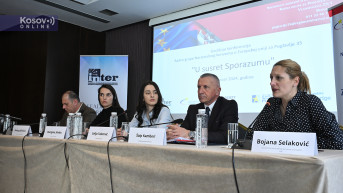
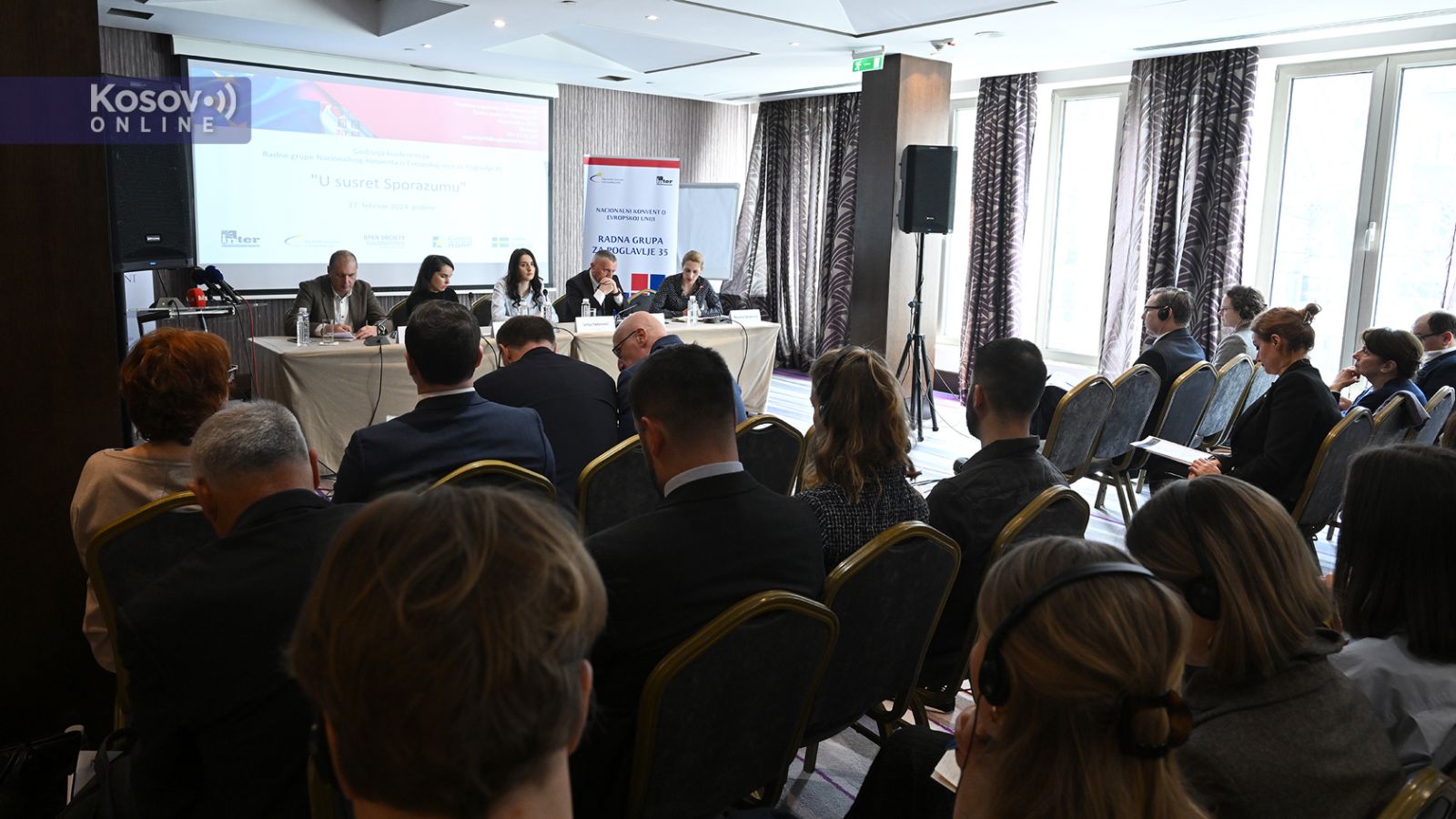
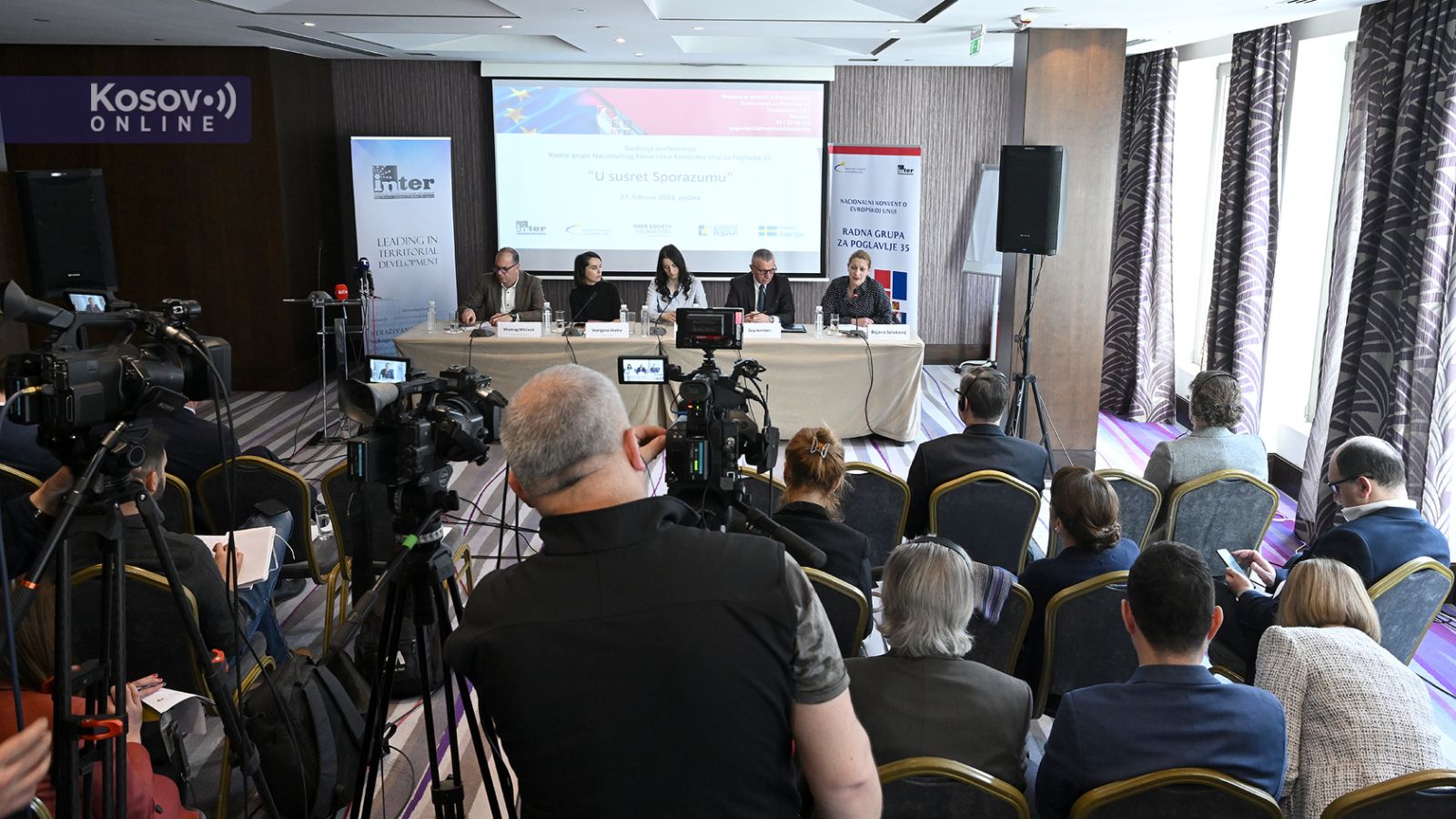
Coordinator of the Working Group for Chapter 35 of the National Convention, Dragisa Mijacic, said at the opening of the Annual Conference of the Working Group of the National Convention on the European Union, titled "Towards the Agreement," that the dialogue was politicized, and that if the focus was solely on political dialogue, the component of improving relations among people was lost.
"Dialogue should serve for people to communicate, to be safe, secure, to reconcile, and only after that should come the major political issues," he said.
Pointing out that they intentionally organized the conference today because it's exactly a year since the latest agreement was accepted in Brussels, Mijacic says that last year when they announced agreements, they expected a new phase for Kosovo and Serbia that would bring some sort of peace and normalization to Kosovo, especially in Serbian communities.
"Unfortunately, even after the acceptance of the agreement, we see that it has not contributed to stabilizing the situation, so we spent 2023 with various events and tensions starting from elections in the north, bringing Albanian mayors, to events in Banjska. The political dialogue is stuck in a deadlock where it cannot produce any positive progress, not even at the highest level, as it was not possible for Aleksandar Vucic and Albin Kurti to reach any agreement on implementation," Mijacic emphasized.
As he says, the year 2024 will be even more challenging as elections are expected in the EU and the USA.
"And in that vacuum, the question arises of how to ensure peace in these areas. This year is crucial to maintain peace, security, and some sort of relations between the two societies in order to build a foundation for the future," Mijacic pointed out.
Dialogue has no alternative
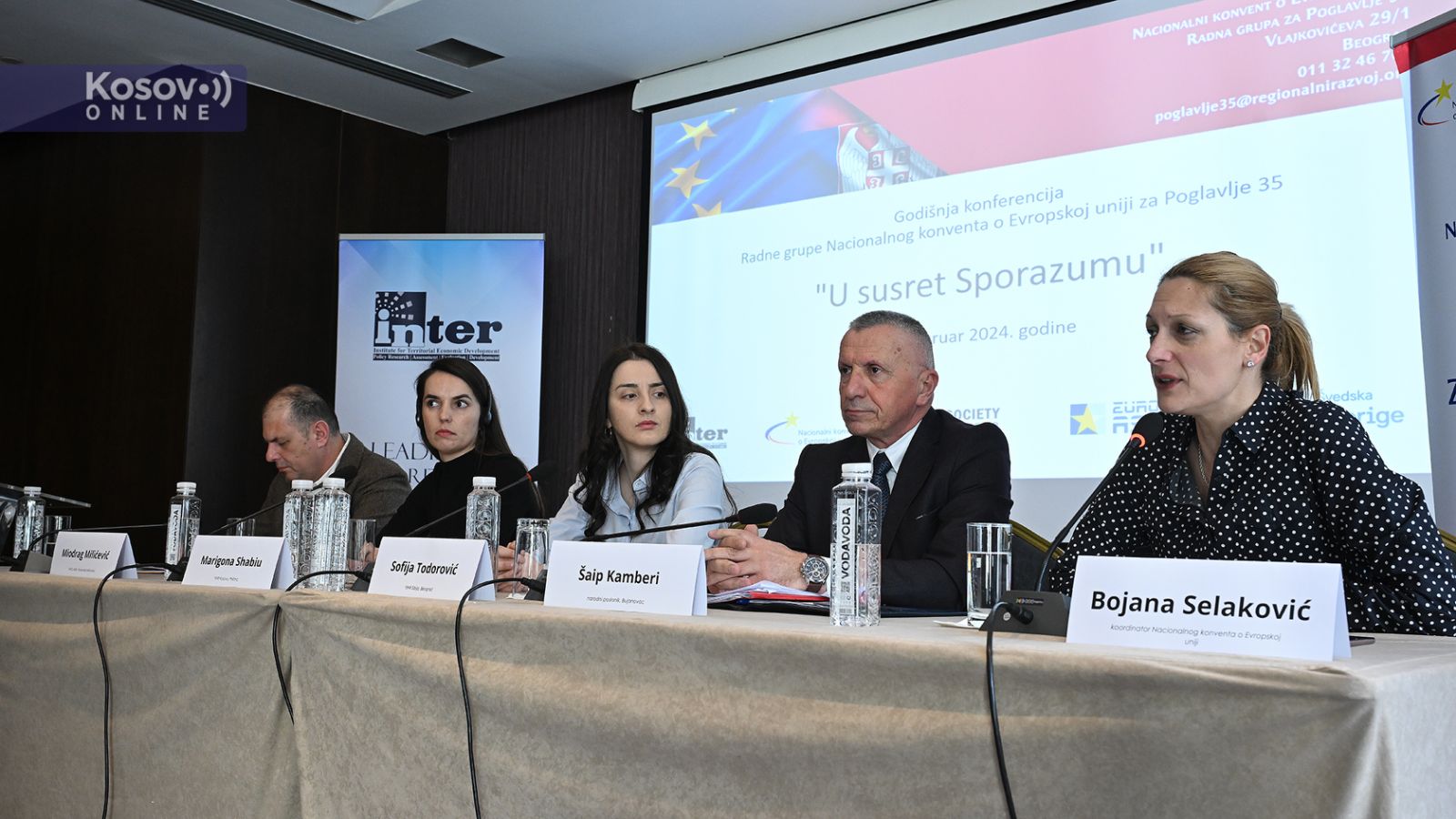
Coordinator of the National Convention on the European Union, Bojana Selakovic, in her opening address, stated that the two main goals of European integration were reforms and that this was the only way to achieve long-term and lasting peace in the Western Balkans.
The Program Manager at the Open Society Foundation - Western Balkans, Aleksandra Sanjevic, says that the latest agreement envisaged a series of solutions that would enable the resolution of numerous outstanding issues and facilitate unhindered cooperation between the two entities and collaboration not only in Kosovo but also in the Western Balkans.
"With regret, I can state that today, a year after its acceptance, the situation on the ground is not as it should have been if the agreement had been implemented. It seems that there is goodwill when it comes to signing agreements before the international community, but there is no goodwill when it comes to implementation, so the situation on the ground is not improving, but worsening," Sanjevic said.
She adds that this further convinces us that the significant dialogue between Serbia and Kosovo can never be overestimated or sufficiently appreciated.
"It represents constructive dialogue that allows for different thinking but leads to solutions through dialogue and has no alternative," she emphasized.
Kamberi: Reconciliation is impossible without normalizing relations
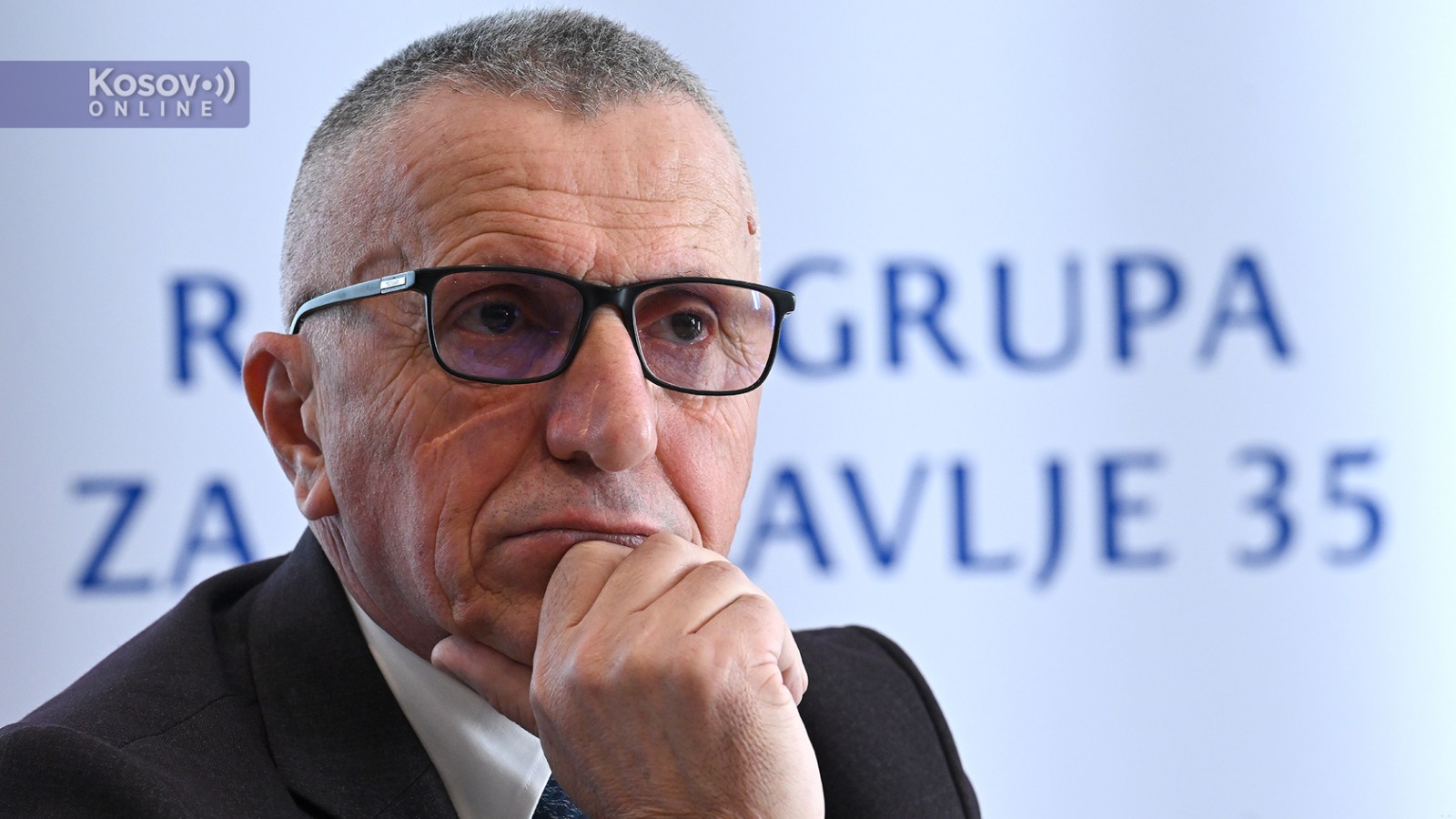
Shaip Kamberi, a member of the Serbian National Assembly, said that when looking at examples worldwide where reconciliation had occurred after conflict, reconciliation between Serbs and Albanians was possible, but with the precondition that politics was conducted at a realistic level and not based on myths and propaganda.
He emphasizes that the dialogue should fundamentally change the relationship between Serbia and Kosovo, which would, in turn, contribute to stability in the Western Balkans.
"Without normalizing relations, I don't believe reconciliation can occur," Kamberi said on the panel "(Dis)trust and Reconciliation" as a part of the Annual Conference of the Working Group of the National Convention on the European Union entitled "Towards the Agreement."
He notes that from the outset, he was skeptical of the "Open Balkan" Initiative, in which Serbia attempted to build fraternal relations with a part of the Albanians living in Albania while having no relations with the other part of Albanians living in Kosovo.
"Without acknowledging guilt for serious crimes, without ceasing the glorification of convicted war criminals, it's difficult to talk about the reconciliation process, especially if politics is based on myths. Accepting the reality of what happened is the basis for reconciliation," Kamberi pointed out.
Without acknowledging the reality in Kosovo, it's difficult to initiate the reconciliation process, he stressed, adding that he represented the interests only of the Albanian community living in the "Presevo Valley," which, as he says, are the biggest hostages of the relationship between Serbia and Kosovo.
"If politics is based on a rational level and not on a new march to Kosovo, on slogans like 'when the army returns to Kosovo,' reconciliation can be achieved," he believes.


As he points out, Serbia should demonstrate, through its behavior towards national minorities within its territory, how it should behave towards the Serbian minority in Kosovo. However, he adds, there is a problem regarding Serbia’s attitude towards the Albanian community living in the "Presevo Valley."
He emphasizes that there is no problem between the Serbs and the Albanians in Bujanovac in terms of communication and cooperation.
He believes it is paradoxical that the Serbs in northern Kosovo have abandoned institutions, while there is a community in Serbia that has been insisting on integration for 22 years but has not been given the opportunity for it.
In this regard, he mentions that just yesterday, he discussed the same problems with the third President of Serbia, which the Albanians in the "Presevo Valley" are facing.
"Despite the conflict being ended in 2001, and the Government of Serbia decided on integration, today I have to talk again about the necessity of Albanian integration into Serbia's state institutions. We are demanding what belongs to us according to the Constitution of Serbia, which is equal participation of minority communities in state institutions and the police in municipalities where that minority lives," Kamberi emphasized.
He expressed regret that today we had a process between Serbia and Kosovo that tried to compensate for the rights of the Serbs in Kosovo, against which, he noted, the Albanians of the "Presevo Valley" were not, but the EU silently observed the violation of the rights of one minority in a country that aspired to be an EU member.
He mentions that when discussing the militarization of northern Kosovo, where there are 800 Albanian police officers, which officials from Serbia constantly complain about, one must also consider, as he says, the "militarization of the Presevo Valley."
"Forty-two military bases have been established along the border with Kosovo, and 90 percent of them are in the Presevo Valley," Kamberi says, emphasizing that reconciliation cannot be achieved when principles are selectively defended.
However, as he says, the Albanians from the Presevo Valley are ready to talk, to initiate the integration process.
He emphasizes that everything he has said applies to the government, to tabloids that spread propaganda, and that he does not speak about the Serbs, nor about those people who know what reality is.
"But, unfortunately, they are the minority in public policy," Kamberi said.
Todorovic: Reconciliation among people happens daily, but fear prevents it from being public
Sofija Todorovic, from the Youth Initiative for Human Rights YIHR Serbia, believes that reconciliation between people from two ethnic communities in Kosovo happens on a daily basis, but they are afraid to talk about it or show it publicly.
"I don't think reconciliation is distant from people. Reconciliation happens every day in many communities where people live with each other, and we don't see it. I believe it happens every day," Todorovic said at the panel "(Dis)trust and Reconciliation" within the Annual Conference of the Working Group of the National Convention on the European Union titled "Towards the Agreement."
However, she points out, that there is also great fear among people to talk about it; there are problems where people who want to collaborate, talk to each other, have trouble doing so publicly, and because of that fear, reconciliation decreases.
"But not because people don't want reconciliation. People are ready for dialogue and conversation, but they are afraid because they see how everyone who talks about it fares in the public sphere," she emphasizes.
As she highlights, a dialogue about dialogue is not a dialogue.
She points out that it is insulting to treat Serbs and Albanians as people who are unable to talk about their problems.
"I believe that Serbs and Albanians are capable of talking to each other about what is really a problem. Reconciliation must accompany the normalization of relations between Serbia and Kosovo, normalization must precede reconciliation," Todorovic concludes.
Milicevic: Ordinary people are forgotten due to political problems
Miodrag Milicevic from the NGO Aktiv from Kosovska Mitrovica emphasized that through the dialogue process and interventions at the political level, attempts were made to find a formula to achieve the long-awaited progress in the normalization process, but in this process, due to political problems, ordinary people and their interests were forgotten.
"We should not close our eyes to the fact that despite attempts at reconciliation, we are fundamentally still a deeply ethnically divided society. The Brussels dialogue was a turning point to reach a point that would mean full normalization primarily in relations between the Serbs and the Albanians, but also among other communities in Kosovo," he said.
As he stated at the panel "(Dis)trust and Reconciliation" within the Annual Conference of the Working Group of the National Convention on the European Union titled "Towards the Agreement," he believes that numerous opportunities have been missed so far.
"Today, the dialogue is conducted at the level of civil society with partial mediation, but it lacks the component that should make it resilient. We must consider all the facts, and I don't just mean the burden of the past and the daily frictions about how we see Kosovo, whose, importance is the political component that determines how we will live and under what circumstances," he notes.
He adds that precisely in this endeavor to reach a political agreement, the fact of a divided society is ignored.
He believes that we are now in a phase where it is necessary to find a way to influence political actors.
He further adds that considering the sharp and often offensive rhetoric between politicians in Kosovo and Serbia, a healthy environment that would lead to reconciliation and normalization cannot be achieved.
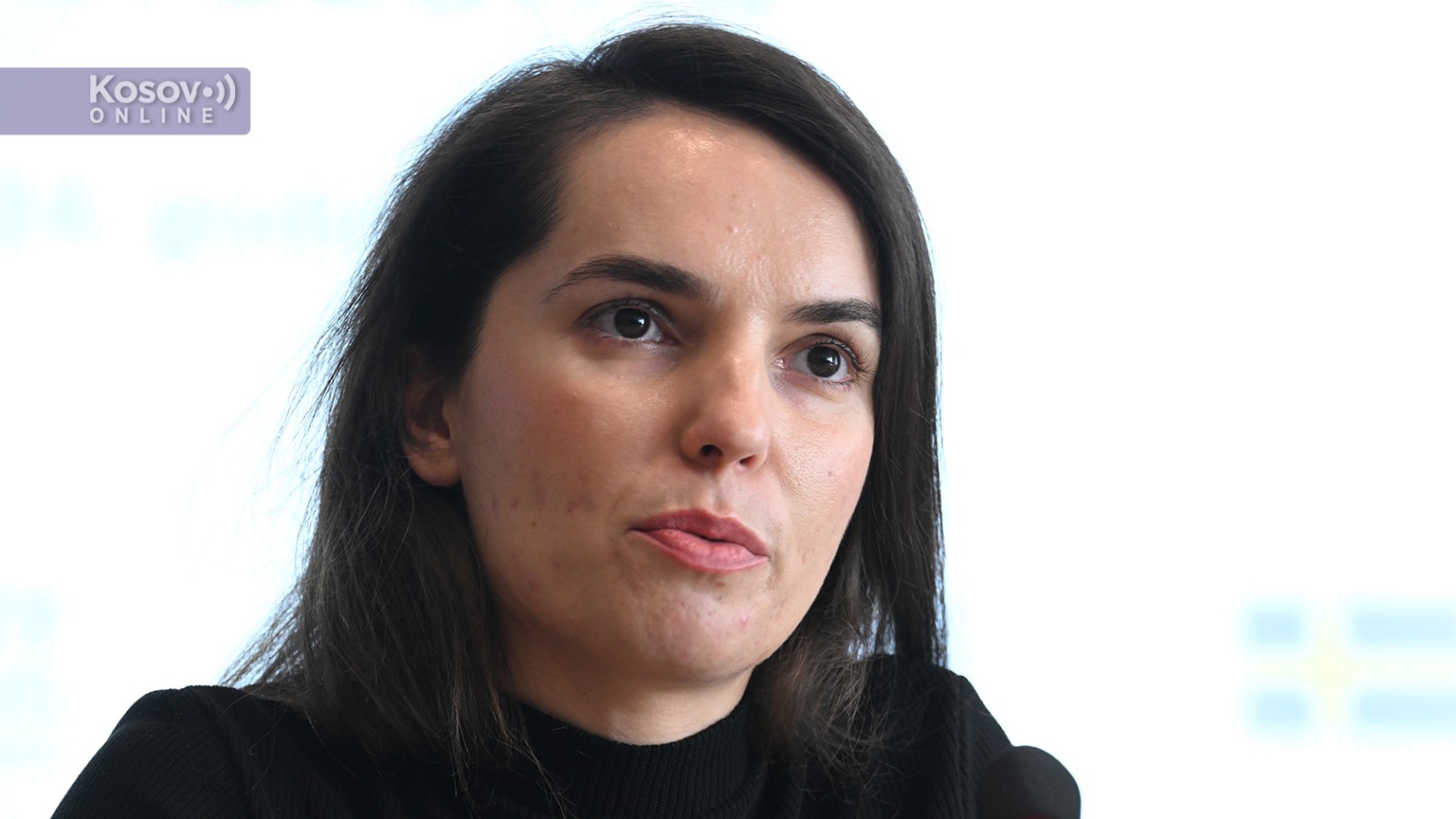
Shabiu: Events in Banjska and the actions of the Kosovo Government have disrupted relations among people
Marigona Shabiu from the Youth Initiative for Human Rights - YIHR Kosovo pointed out that conducting dialogue at the political level was very important in these difficult times, which, as she says, are fueled by frequent tensions and further divisions, affecting the relationships among ordinary people.
Regarding the current state of relations between the Serbs and the Albanians living in Kosovo, she unfortunately notes that they have been further damaged after the events in Banjska and the unilateral decisions of the Kosovo Government.
"Especially they were damaged after the violent events in Banjska in September. We see that all these incidents and all the decisions of the Kosovo Government have really destroyed trust and relationships among people," Shabiu said.
As she points out, there is an opinion in the international community that political dialogue will magically solve all problems to the extent that the Albanians and the Serbs will start communicating without animosity that accumulates within them, forgetting the past and the events that have led to this situation and separation among people.
She observes that there has been progress in dialogue, but at the level of dialogue between ordinary people, it has not yielded many results. Therefore, she emphasizes the need for social dialogue between ethnic communities and people who, unfortunately, she notices, have been forgotten by the international community.
Stating that we have dialogue again at a high political level, Shabiu says that there is an opinion that it should determine how people will live in peace, but people are not asked what they think about all those decisions.
"When we have a terrorist attack like in Banjska, unilateral decisions of the Kosovo Government, elections, mayors, the decision of the CBK on the dinar, without considering the needs of the community, it will certainly affect the relations between ethnic groups," she emphasizes.
Regarding reconciliation, Shabiu states that a way must be found for people on both sides to see each other as humans, to recognize each other, and to recognize each other's suffering.
However, she observes, this also requires political dialogue.
"We need to stop for a moment, to try not only through the dialogue process which is necessary regardless of the governments and who leads it, but it is necessary to establish complete control over it, which means that political connections that have been severed need to be established, then initiate dialogue in the Assembly of Kosovo, and the third step is what we are trying to promote - social dialogue that must necessarily accompany all these processes and be complementary to all communities," Milicevic says.
As he points out, if one of these steps is missing, as there is currently no political dialogue within Kosovo, life continues in conditions that are not conducive to nurturing interethnic dialogue.

0 comments