
Savkovic: Belgrade is responding to what Zagreb is procuring, Kosovo will continue the transformation of the KSF
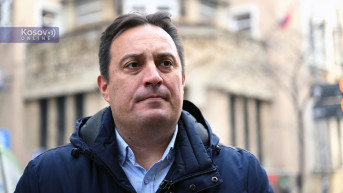
The procurement of fighter aircraft, drones and artillery systems, announcements of the construction of ammunition factories, as well as the formation of military alliances – all these are indicators that the Western Balkans has entered an arms race. Marko Savkovic from the ISAC Fund believes that the reasons for additional armament differ from country to country.
On the other hand, Savkovic told Kosovo Online that the economic potential of the countries in the Western Balkans region is quite limited.
“An arms race, I would say both yes and no. Yes, because it is clear and evident that everyone is arming themselves to some extent, modernizing systems, buying new ones or replacing outdated equipment. So we have countries that are NATO members and are, in a way, obliged to do this, as well as countries that are either militarily neutral or want to belong to an alliance, and for those reasons they are trying to arm themselves. On the other hand, it is not an arms race because I think the economic potential of the countries in the Western Balkans region is still quite limited for us to talk about a major arms race,” Savkovic said.
Our interlocutor notes that at this moment, when it comes to armament, Belgrade is trying to respond to what Zagreb is procuring.
“For me, the systems that are particularly interesting or indicative are those with offensive characteristics. That is what would interest me if I saw countries procuring something that could be used to attack, for example, a neighboring country or any other state. At the moment, I mostly do not see that. Procurement is largely aimed at strengthening defense systems. We were for a very long time under a regime of arms reduction after the end of the wars in the territory of the former Yugoslavia. So anything that would significantly disrupt that would immediately attract the attention of others in the region, who would then begin to arm themselves. At this moment, I see only the relationship between Serbia and Croatia as relatively problematic. Belgrade is more trying to respond to what Zagreb is procuring or to keep pace with Zagreb’s procurements, and to a somewhat lesser extent it is actually addressing some of its own inherited problems,” he said, adding:
“So, for example, when transport aviation is procured, when new air defense systems are acquired, that is, new systems that are meant to facilitate mobility and make the armed forces more mobile, and of course this whole, so to speak, story about drones and counter-drone measures – these are all steps that other countries are also taking.”
When it comes to Kosovo and the transformation of the KSF into an army, he believes it cannot be completed without the support of countries that have supported Pristina from the beginning.
“Well, look, for them, as for many other regimes, this has an internal political function. In this way they present that they are doing something for, let’s say, the national cause, strengthening capacities and so on. I think they will certainly continue to do this. As for this transformation, it cannot be completed without the support of partners, that is, those countries that have supported Kosovo from the beginning, including in the context of transforming the KSF into an army. I think this is a process that will continue regardless of who is in power in Kosovo, because it has been expressed as their national interest. Belgrade can protest, but I do not see what it can concretely do about it. Simply put, it is already an armed formation that possesses certain capacities and is acquiring new ones. In a conventional conflict, and of course far from me to invoke that, with Belgrade it would probably not prevail in any way, but at the same time one must be aware that no one here is alone. So Kosovo also counts on allies and relies on them in this process of transformation and armament. But at the same time, the authorities there must be cooperative with the international community,” Savkovic said.

0 comments