
Savkovic: Opening a Regional Interpol Bureau in Serbia would not further affect the question of Kosovo
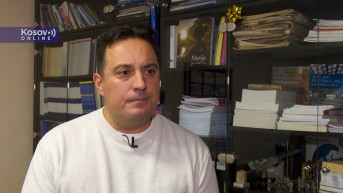
Opening a regional Interpol office in Belgrade would be a positive development for Serbia in terms of strengthening police cooperation and enhancing international prestige, says Marko Savkovic from the ISAC Fund in a statement for Kosovo Online. He assesses that such an office would not provide Serbia with additional mechanisms to influence Kosovo’s path toward Interpol membership—an outcome that has eluded Pristina for more than a decade.
Savkovic notes that Interpol membership is important both for ensuring police cooperation so that suspects cannot evade justice, and as a form of confirmation of statehood.
“When it comes to Kosovo, it is entirely clear, because Interpol is one of the most important international organizations. Kosovo has been attempting to join Interpol for years. It has been more than ten years since the first attempt—actually fifteen years, but it was first placed on the agenda a decade ago,” he explains.
He points out that the procedure is demanding because admission requires a two-thirds majority, and that Serbia, at a decisive moment when Kosovo was close to membership, managed to block its entry into Interpol.
“At that time, through Serbia’s lobbying in a single day, around ten countries withdrew their support. A small number still wish to see Kosovo become a member, but at present it does not seem realistic. The positions of countries opposed to Kosovo’s membership have not changed in recent years. Serbia’s lobbying in this regard remains effective, and such an outcome seems unacceptable for now,” Savkovic states.
Speaking about what the opening of a Regional Interpol Bureau in Belgrade would mean, he says that some voices from Pristina suggest it would create a strategic imbalance.
“From the perspective of the dialogue, voices from Kosovo speak of so-called strategic asymmetry — that this would place Serbia in a more favorable position compared to Kosovo,” he says.
However, he emphasizes that the primary benefits for Serbia are professional in nature and that the development is important in the context of police cooperation, recognition of certain expertise, and strengthening Serbia’s standing among other countries.
“It is certainly a positive development. In general, we should strive for as many relevant international organizations and their regional bodies as possible to be present, represented, or even located in the Republic of Serbia. We can take the example of the Berlin Process, where out of several regional bodies, only the Transport Community ultimately ended up headquartered in Belgrade,” he explains.
“Decisions on this matter are made by the General Assembly, so nothing essential would change. This development is more important for Serbia overall—separate from Kosovo—and is significant for the broader context of political cooperation and the fight against cross-border crime, which is extremely important in the Balkans,” he concludes.



0 comments