
Selimi on von der Leyen's visit to the region: A sign that the EU is counting on the Balkans; Serbia-Kosovo relations a priority
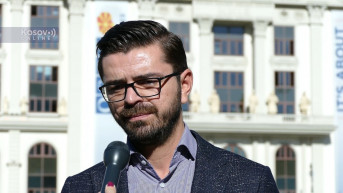
Political analyst from North Macedonia, Sefer Selimi, assessed for Kosovo Online that the visit of the President of the European Commission, Ursula von der Leyen, to Skopje, as well as other countries in the region, sent a positive message, especially regarding the further integration of the Western Balkans into the European Union.
"I think it's a rather positive message regarding our perspective for further integration into the European Union, and I believe that there are already clear indications that European leaders have taken seriously that the state in which the Western Balkan countries have been left cannot provide long-term stability and prosperity for the region," Selimi said.
Asked whether von der Leyen is coming to North Macedonia, Albania, Bosnia and Herzegovina, Serbia, Montenegro, and Kosovo with a "carrot or stick," Selimi believes that European officials will "utilize all their tools."
"We can see that after the intensive engagement of key leaders in the European Union such as Scholz, Macron, and Meloni. We can see that they have already learned their lesson and are treating the Western Balkans as an inseparable part of the European Union. The region will be given a chance now, if it fulfills its tasks, to integrate rapidly and have a clear perspective that in the near future, that is by 2030, a significant part of the Western Balkans becomes an institutional part of the European Union," our interlocutor notes.
He assesses that the EU cannot be complete without these countries which can often positively contribute to the Union, but, as he points out, they can also create instability and be a source of security challenges that are not needed at this time.
Speaking about whether and how the visit can affect Kosovo-Serbia relations, Selimi says that this issue remains a source of security challenges in the region.
"Unfortunately, relations between Kosovo and Serbia remain a source of security challenges, not only between these two countries but can spill over to the entire region, creating unpredictable situations that, instead of leading to normalization and the establishment of normal relations between these two countries, can disrupt the relationships of other countries in the neighborhood. Thus, following the challenges faced by Bosnia and Herzegovina, the issue of Kosovo remains a top priority in the European Union's policy towards the Western Balkans. It is at the top of their priorities, and I believe it will remain so until there is complete normalization between these two countries," Selimi concludes.



0 comments