
Shahini: Self-Determination has no success that citizens will remember
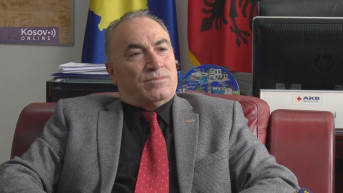
The Self-Determination Movement, led by Albin Kurti, won the parliamentary elections with over 50 percent support from voters on February 14, 2021. Three years after that triumph, Agim Shahini, President of the Business Alliance of Kosovo, says that Self-Determination was the party citizens believed would bring significant changes in the fields of economy, justice, and in the fight against corruption, but this did not happen.
According to Shahini, nobody expected the economy to decline, as illustrated by data showing that Kosovo's exports were over 100 million euros less in 2023 than the previous year.
"We've had an economic downturn since 2021 when growth was around 10.7 percent, and now it's around 3.5 percent. We have had the biggest decline since Kosovo's independence. In three years, no state has recognized Kosovo, and in three years, Kosovo has not joined any international community mechanisms, all due to the poor policies of this government and party toward the international community," Shahini says for Kosovo Online.
He notes that after the election victory, Self-Determination designated dialogue with Serbia as the seventh or eighth point of its priorities, but now it is only dealing with that dialogue and not with the promises made.
"We have the coldest relations with Albania, the same with Macedonians and Montenegrins, and I mean the government, not the people. Progress with Serbia is not visible because the problem between Kosovo and Serbia needs to be resolved. We've had several agreements that neither Kosovo nor Serbia have implemented. Citizens here and there look at each other coldly because of that, and politicians only aim to stay in power longer. The problem between Serbia and Kosovo needs to be solved once and for all, and that can only happen with the international community, we cannot do it ourselves," Shahini says.
He also believes that the Self-Determination government has not achieved any success that people will remember, pointing out that due to a political decision in Kosovo, Serbian goods have been absent for a long time, and it has been six months under sanctions. He sees visa liberalization as a positive thing, but not as a success of this government.
Regarding how Kurti's party will fare in the next elections, considering all this, he says that logically, support for Self-Determination in elections will definitely decline because there has been no success in three years.
"If we look at what was promised and if a lot of things will be promised again and people believe in it, then they are not to blame, but the people who believe. I think there will definitely be several parties in the next government; it won't be just one, and it will definitely be better for every citizen of Kosovo, and the problem between Kosovo and Serbia will be solved once and for all," Shahini concludes.
Speaking about how the dialogue between Belgrade and Pristina has progressed since Self-Determination came to power, he says there have been several signed agreements or promises to do something, as was the case last year in Brussels or Ohrid, but both sides view it "coldly."
"The dialogue is at an impasse. Kosovo is living under EU sanctions for the first time, and I see that some measures are being prepared against Serbia. We are small states in the Balkans compared to the major powers of the EU and the US. We have to listen to them because they are not working against us; they are looking to open up the Balkans, not to close it," Shahini says.


0 comments