
Sljuka: Kurti has created a situation in which he must block the Serb List, while the political benefit continues to shrink

Aleksandar Sljuka, an associate of the nongovernmental organization “New Social Initiative,” stated that Albin Kurti has created a situation in which, in every election cycle, he must attempt to contest the participation of the Serb List in order to send a message to his voter base, even though the political benefit of such a move is becoming increasingly small, and that Self-Determination is only putting itself in a deeper problem.
Speaking to Kosovo Online, Sljuka said that Self-Determination did the same thing in the previous elections, when it attempted to portray the Serb List almost as a terrorist organization.
“In line with that narrative, it made sense for them to try in every possible way to challenge the Serb List’s right to take part in the elections, even though it is unlawful, and to make its work more difficult at every step. This was primarily part of a political campaign aimed at gaining new points, which, both then and now, we see Albin Kurti and Self-Determination lack,” Sljuka said.
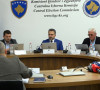
Another problem, Sljuka explained, is that Self-Determination created an uncomfortable situation for itself after it saw the previous time that this approach had no effect and that the Election Complaints and Appeals Panel (ECAP) annulled the CEC decision.
“They created a situation in which, due to their previous decision, they now cannot, even if they wanted to, ignore the issue. So if elections are held again, and there is talk that they might take place next year, if they ignored it and voted ‘in favor’ or abstained in the context of certifying the Serb List, they would send a message to their voters: ‘We obstructed this before, and now we are allowing it.’ What would that mean? Does it mean the attitude toward the Serb List has improved, that it is now perhaps a desirable partner for them…,” Sljuka said.
Sljuka noted that Self-Determination has created such an image of the Serb List through its narratives and actions that it is now “politically costly” for it to change course and vote in favor of the Serb List.
“They have put themselves in a situation where they must replicate that decision in all future cases. I do not see that this brings them new political points; we see that they are only losing votes,” he said.
He added that there have been numerous condemnations from the international community, but the question is how effective they truly are.
“They have not had any significant effect. I cannot say they had no effect at all, but we see a drop in support for Kurti. Those bigger decisions and reactions may influence the electorate more significantly, for example the suspension of the planned strategic dialogue between the United States and Kosovo, or the EU measures, which remain in force. These smaller reactions and condemnations do not have a major impact on the electorate,” Sljuka concluded.
He added that support for Self-Determination and Kurti with these moves is shrinking in every election cycle, and that they are creating a problem for themselves in this way.
“ECAP annuls their decisions, the Serb List can participate, and we have a farcical situation. The only ones who can ban a political party from participating are the courts, and such decisions do not exist. This is why they are now in a situation where they must continue repeating the same decisions, while with each new cycle the benefit becomes minimal, and they are putting themselves in a problem,” Sljuka concluded.


0 comments