
Starovic: It is recognized that Kosovo is obstructing the Dialogue
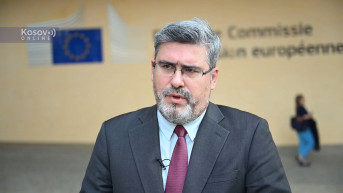
Serbia’s Minister for European Integration, Nemanja Starovic, emphasized that it is clear to everyone that Belgrade cannot be blamed for the stalemate in the dialogue and that it is increasingly recognized that the Pristina side is the one obstructing the process and unwilling to make any compromises.
Speaking to TV Tanjug about Article 7 of the Ohrid Agreement—which requires both sides to fulfill their obligations—and the question of what Serbia has failed to do, Starovic said it is impossible to expect Serbia to demonstrate a higher degree of proactivity in this process than it already has, given the evident regression on the other side.
“If we compare the situation of Serbs in Kosovo before and now, we see serious deterioration. It is recognized that we have been very constructive throughout the process. We are committed to dialogue and have never walked away from the negotiating table. We will continue to act constructively, protecting Serbia’s interests and our citizens in Kosovo and Metohija,” Starovic stressed.
He pointed out that Serbia’s position in the EU accession process is specific due to the additional suspensive mechanism in Chapter 35.
Starovic underlined that while some EU member states that recognize Kosovo have certain expectations, Chapter 35 does not define an obligation for Serbia to recognize Kosovo.
“If that were defined, it’s clear we wouldn’t even be on the European path,” he said, adding that there is a kind of “constructive ambiguity.”
He reiterated that Chapter 35 provides for the conclusion of a comprehensive legally binding agreement on the normalization of relations with Pristina.
“Everyone can see that Belgrade cannot be blamed for the deadlock in the dialogue. The Pristina administration is currently under restrictive measures imposed by the U.S. government. However, this has no political impact because Albin Kurti believes he benefits more from his negative campaign against the Serbs than he loses through strained relations with the United States,” Starovic noted.
He added that by submitting its application for membership in the Council of Europe in spring 2022, Kosovo violated the Washington Agreement.
“That attempt was successfully stopped—not only with the support of EU member states that do not recognize Kosovo, but also of others, such as France, which were not ready to accept it,” he said.
Starovic further underlined that it is now recognized that the Pristina side is unwilling to make any compromise and that it is the one obstructing the dialogue.
“It has also been recognized that Serbs massively turned out in the local elections. The highest turnout was recorded in the four northern municipalities, and the role of the Serbian Government in encouraging participation has been acknowledged. We have made a significant step forward, which we hope will be properly valued,” he explained.
He acknowledged that 22 EU member states recognize Kosovo but emphasized that no ultimatum has ever been set requiring recognition.
“If such an ultimatum existed, everyone knows it would mean the end of our EU integration process. The President of Serbia recently said that if Serbia were to recognize Kosovo tomorrow and impose sanctions on Russia, it would instantly become the champion of European integration. There is neither de jure nor de facto recognition—only normalization. Normalization is in Serbia’s interest, as it brings stability and predictability crucial for our economy,” Starovic stressed.
He reiterated that Serbia’s national interest lies in EU membership and added that the country has greatly benefited from being on the European path.
“None of what we have achieved in the past 12 or 13 years in terms of economic growth and infrastructure development would have been possible if we weren’t on the EU accession path, which projects an image of stability, security, and progress,” Starovic explained.
He said it remains to be seen in the time ahead whether Serbia will eventually face such demands, but he stressed that internal dynamics within the EU must also be understood.
“For years, they said that Cyprus’ admission was an exception that would never be repeated. Yet, in the past year or two, we have heard from the European Commission that the ambitions of Moldova and Ukraine should not be held hostage to unresolved territorial conflicts. We must be ready for such a change in approach,” Starovic concluded.

0 comments