
Stiplija: The EU will not rush with decisions on possible restrictive measures against Serbia
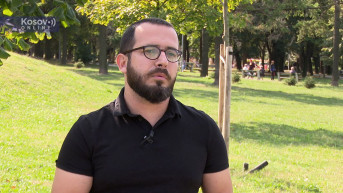
The Director of the Center for Contemporary Politics and the editor of the European Western Balkans portal, Nemanja Todorovic Stiplija, stated that today's summit of the European Political Community in Granada was an opportunity for Serbian President Aleksandar Vucic and Kosovo President Vjosa Osmani to meet "face to face" with EU leaders and member states and hear their concrete views on the events in Kosovo. In his assessment, the EU will not rush to impose restrictive measures against Serbia, as some EU countries and the region have called for, until they determine what actually happened in Banjska on September 24th.
"In Granada, there will be a unique opportunity for the President of Serbia and the President of Kosovo to meet face to face with EU leaders and member states. I believe that representatives of the member states will convey their views on the events in Banjska to the President of Serbia and the President of Kosovo. The European Union will not rush with its decisions regarding any restrictive measures towards Serbia until it is proven what actually happened in Banjska ten days ago," Stiplija said for Kosovo Online.
He adds that EU member states can impose restrictive measures within the framework of the EU Council, but it requires consensus among member states.
According to him, in the case of Serbia, consensus within the Union will not be reached.
"It is assumed that this will not be possible in the case of Serbia because we certainly have one EU country that will not support such restrictive measures against Belgrade," Stiplija emphasized.
Hungarian Prime Minister Viktor Orban has already stated that he opposes punishing Serbia and advocates for the continuation of dialogue between Belgrade and Pristina.
On the other hand, Stiplija points out that the restrictive measures that were imposed on Kosovo due to the non-implementation of the Brussels or Ohrid Agreement can also be applied to Serbia, as the EU emphasized at the time when they were introduced to Pristina.
"These restrictive measures should primarily entail redirecting all relations between Serbia and the EU towards the dialogue between Belgrade and Pristina, making it the main focus of the relationship at that moment," he concluded.



0 comments