
Stiplija: The shooting at Fico divided Slovakia even more, some European forces will use it for campaigns
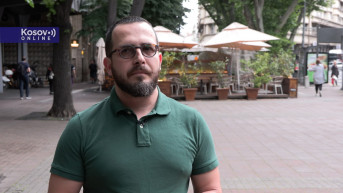
Nemanja Todorovic Stiplija, Director of the Center for Contemporary Politics and Editor of the European Western Balkans portal, believes that the failed assassination attempt on Slovak Prime Minister Robert Fico will further polarize the political scene in Slovakia and help some forces in Europe who will use the shooting in their campaigns for the European Parliament elections.
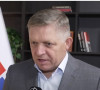
Stiplija considers the attack on Fico an isolated incident, like those that have recently occurred across Europe, and that it stemmed from a prolonged political crisis in Slovakia.
“Since the election of Zuzana Caputova as President of Slovakia, there has been a governmental crisis in Slovakia. The previous government, which was a broad anti-Fico coalition, did not consolidate and failed to stay in power. Consequently, Fico easily returned to power in the last parliamentary elections in Slovakia. Slovakia, like Serbia, is going through a political crisis, and there is a divide in society between progressive forces on one side and traditional forces on the other. Fico has taken this stance towards the traditional population in Slovakia for his political interests,” our interlocutor says.
He states that the government in Slovakia is deepening this divide instead of calming the citizens after the shooting, and that it will certainly impact the political scene there.
“The government in Slovakia is trying to emulate the governments in Hungary and, to some extent, Serbia, using very similar mechanisms in their political actions. This leads them to attempt to fully control the media, starting with the public service and beyond, although they do not succeed because Slovakia has a functioning media market. Thus, daily newspapers, weeklies, and ultimately web portals are quite independent. Therefore, this attack on Fico will certainly impact the political scene in Slovakia, and I believe the political scene will completely polarize into two camps: the liberal or progressive camp led by the largest opposition party, and the other on Fico’s side, that is, Smer (Direction) and its coalition partner Hlas (Voice). I believe that some nationalist forces that have been marginal will also side with Fico, and all democratic forces, including the pro-Slovak conservatives who are currently in disarray, will side with the opposition,” the director of the Center for Contemporary Politics says.
He believes this will also affect the results of the European elections in Slovakia.
“Slovakia is specific in terms of European elections because it is the country with the lowest voter turnout for European elections. For many years, Slovakia has had the lowest turnout for European elections. It is simply not appealing to Slovaks. However, it has happened that in European elections, Slovaks elect very reliable and concrete individuals. The population that votes in these elections are people interested in European politics, and they tend to elect individuals who may represent the more educated part of society rather than those right-wing and populist forces," our interlocutor says.
He adds that this divide in Slovakia will help some forces in Europe to use the shooting in their campaign for the European Parliament.
"The narrative that emerged in Europe after the shooting attempts to somehow connect this shooting with the war in Ukraine and the whole story that some power centers want to remove Robert Fico because of his position on the war in Ukraine, and I believe that this type of polarization will indeed help some forces and that they will use this event in their campaign," he says.
When asked whether the attack on Fico has an effect on the Balkans, Stiplija points out that the news has continued to be exploited only in Serbia.
"On one hand, the pro-government media are to blame because they have an interest in presenting it that way. I believe that for the next ten years, I will be quoting one media outlet that said that the shooting at Fico is actually a fight against three freedom-loving leaders of Europe, namely Aleksandar Vucic, Viktor Orban, and Robert Fico," he says.

0 comments