
Stojanovic at UN Conference: Protect Serbian Orthodox Sites in Kosovo
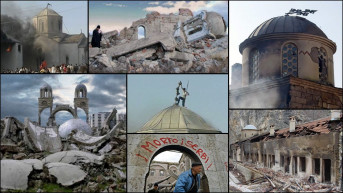
Nikola Stojanovic, State Secretary at the Ministry of Foreign Affairs of Serbia, highlighted at the global United Nations conference “Protection of Religious Sites: A Multidimensional Approach”, held as part of the 10th Global Forum of the Alliance of Civilizations in Cascais, that over 110 Serbian Orthodox churches and monasteries in Kosovo were destroyed between 1999 and 2004. He stated that this year alone, ten attacks on Serbian Orthodox sites in Kosovo have occurred, including vandalism, littering, and graffiti on cemeteries and churches.
Stojanovic noted that during just three days of violence in March 2004, 35 churches and monasteries were burned or destroyed, one-third of which date back to the 14th century.
“These attacks, carried out despite the presence of international forces, represent a profound blow not only to Serbian cultural heritage but also to global efforts to protect religious sites,” Stojanovic emphasized.
He reminded attendees that four significant Serbian monasteries—Visoki Decani, Gracanica, the Patriarchate of Pec, and the Church of the Holy Virgin of Ljevis—were inscribed on UNESCO’s World Heritage in Danger list in 2006 and have remained on the list due to ongoing threats.
He added that this year alone, ten attacks have targeted Serbian Orthodox sites in Kosovo, including acts of vandalism, littering, and graffiti on cemeteries and churches.
Stojanovic specifically pointed out that Serbian Patriarch Porfirije, despite his status as a religious leader, was prevented from entering Kosovo, a severe violation of fundamental religious rights.
He stressed that the protection of cultural heritage in Kosovo requires the urgent attention of the international community, not only because of its importance to the Serbian people but also due to its contribution to Europe’s multicultural identity.
Stojanovic noted that Serbia is committed to preserving religious and cultural heritage as an essential part of the shared global legacy.
During his address, the State Secretary called for intensified efforts to protect these sites, including greater involvement from the United Nations, UNESCO, and other international actors.
This major international gathering brought together senior officials, experts, and religious leaders from around the world to discuss solutions for preserving and protecting religious sites globally, the Serbian Ministry of Foreign Affairs reported.
On the sidelines of the conference, Stojanovic held a series of bilateral meetings with senior officials, including Imran Ahmed Siddiqui, Additional Secretary for Asia and the Pacific at Pakistan’s Ministry of Foreign Affairs; Tuhid Hosen, Advisor for Foreign Affairs to the interim government of Bangladesh; and Ambassador Serigne Diéye, Chief of Staff to the Minister of Foreign Affairs of Senegal.
During these meetings, opportunities for enhancing bilateral cooperation and joint initiatives within multilateral frameworks were discussed, the statement said.


0 comments