
Surlic: Rama's idea is an exit strategy for Pristina – fulfilling obligations without concessions to Belgrade
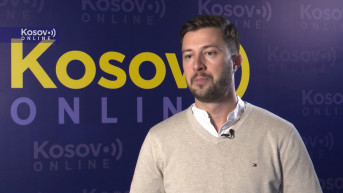
Assistant Professor at the Faculty of Political Sciences in Belgrade, Stefan Surlic, tells Kosovo Online that the proposal by Albanian Prime Minister Edi Rama – for Kosovo to freeze bilateral dialogue with Serbia and unilaterally fulfill the conditions of the normalization process – represents a kind of exit strategy for Pristina to finally start fulfilling its obligations without framing it as making concessions to Belgrade, but rather as pursuing a higher goal, such as European Union membership.
According to Surlic, it seems that Rama intended to present a creative solution to help Pristina's representatives break free from the vicious cycle of a nationalist agenda that yields no results.
“All of the pre-election rhetoric from Self-Determination Movement so far has been in the context of, ‘we won’t concede anything to Belgrade, we won’t form the Community of Serb Municipalities.’ My interpretation is that Edi Rama wanted to creatively offer an exit, suggesting that negotiations be reframed as a dialogue with Brussels while actually fulfilling agreements made with Belgrade. There is nothing in the dialogue and agreements that doesn’t involve Belgrade. This is essentially a political trick, where Belgrade is seemingly excluded, yet the conditions of the Ohrid Annex and the European proposal are met, presenting them as concessions to the EU and Brussels rather than to the Serbian community and Belgrade,” Surlic explained.
Surlic believes Brussels might find it acceptable to portray the fulfillment of obligations from the dialogue as a concession for Kosovo’s European future, but he doubts Brussels would formally deviate from the existing negotiation framework, which requires a minimum level of cooperation and meetings between Belgrade and Pristina’s representatives, despite the long-standing stalemate in dialogue.
When asked what would happen to unresolved topics in the dialogue if Pristina started implementing what had been agreed upon while simultaneously freezing further dialogue with Belgrade, Surlic suggested that such a scenario would merely buy time.
“Pristina would first need to establish the Community of Serb Municipalities and present it as a concession to the European Union. However, other issues in the implementation process, where Belgrade and representatives of the Serbian community in Kosovo are indispensable, would inevitably arise. So, I see this more as a form of political marketing. We have seen similar situations in past years when Pristina implemented a law or decision that was supposed to be in the interest of the Serbian community, but they presented it as an unjust law enforced for a higher goal – good relations with the US and EU. This latest initiative by Edi Rama follows a similar pattern,” Surlic concluded.

0 comments