
Surlic: Requirement to obtain residence permits in Kosovo must be subject to dialogue
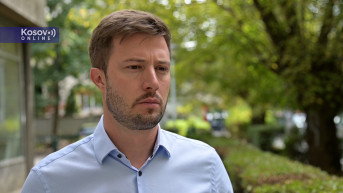
The announcement that citizens without Kosovo documents will be obliged to register at police stations within three days of entering Kosovo and obtain a residence permit will primarily affect the Serbian community, according to Stefan Surlic, assistant professor at the Faculty of Political Science in Belgrade. He stresses that this issue must be the subject of dialogue and agreement.
Surlic says that if we look at the history of all agreements concerning normalization of relations, the central idea was always that Serbs could live “in two worlds”, and that regardless of the status dispute between Belgrade and Pristina, they should be granted freedom of movement. Moreover, Serbs living in Kosovo were not required to have their status absolutely defined in every aspect, given that Kosovo’s international status has not been fully resolved.
“If we bring this down to the local level, where we have people who live in central Serbia but, for example, work at the University of Pristina with its temporary seat in Mitrovica, and many other institutions that simply involve people living in two different environments, I think they are directly affected by this, as well as their wider families, relatives, and friends who no longer live in Kosovo since the war but come to visit their loved ones. Hypothetically, we can imagine a holiday situation in which, if they stay longer than three days, they would have to go through the procedure of registering, reporting, and potentially paying a fine if they fail to do so,” Surlic points out.
Although he believes no one is running away from such registration, he notes that raising this issue, namely the status of foreigners, carries a negative connotation at a time when “discussions are opening around education and healthcare.”
He believes all of this was prepared with the idea of framing it as a security problem.
“What we have heard from police representatives is that they don’t have insight into who exactly is entering and leaving from the north of Kosovo, that this represents a major security problem for them. I think this follows everything Svecla and others have been saying in recent months, that the idea is to have a complete and clear registration of who is entering, leaving, and who lives in the territory of the four Serb-majority municipalities in northern Kosovo,” Surlic explains.
The latest decision by the authorities in Pristina will, in his view, place those Serbs in Kosovo who refuse Kosovo documents into a paradoxical situation, as they will be treated as foreigners.
Although a significant portion of the population already obtained Kosovo documents earlier, and the percentage of Serbs without them is smaller, Surlic insists it is still relevant.
“There are people who do not want Kosovo documents, who live in Kosovo and have lived there the whole time. Naturally, they are now put in a paradoxical situation, to be treated as foreigners and potentially fined if they refuse to comply with this latest decision by Pristina,” he emphasizes.


0 comments