
Ulutas: The security situation in Kosovo stable, with potential for new tensions in the north
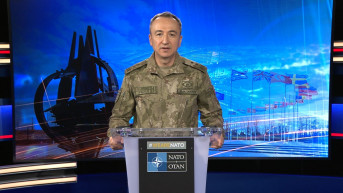
The Commander of KFOR, Ozkan Ulutas, said after a series of meetings at NATO headquarters in Brussels that the security situation in Kosovo remains stable, but fragile, with potential for new tensions, especially in the north of Kosovo. He emphasized that KFOR strongly supports dialogue between Serbia and Kosovo with the EU's support.
Ulutas stressed that KFOR remains committed to its mission of ensuring stability.
“On Wednesday, I briefed the ambassadors of NATO member states and partners contributing to the KFOR mission here at NATO headquarters in Brussels. I also met with the Deputy Secretary General of NATO, Ms. Radmila Sekerinska, as well as other senior civilian and military officials of our Alliance. We exchanged views on a number of issues of key importance for our shared Euro-Atlantic security. Just over two months before the NATO Summit of Heads of State and Government, which will be held in July in Ankara, we discussed the security situation in Kosovo and across the Western Balkans, as well as KFOR’s priorities and efforts. I would like to share three main conclusions from my meetings,” Ulutas said.
He highlighted that the shared commitment to supporting lasting security in Kosovo remains unwavering.
“NATO allies and partners continue to fully support our daily efforts that contribute to maintaining a safe and secure environment for all people and communities living in Kosovo, as well as freedom of movement. This is based on our long-standing mandate of the United Nations, grounded in UN Security Council Resolution 1244 of 1999. At all times, impartially, and in close coordination with the EULEX and the Kosovo Police, in their respective roles as security actors,” he emphasized.
As he noted, KFOR is a joint endeavor, as confirmed by its strength of more than 4,600 troops from 31 countries, including NATO allies and partners.
“Since October 2025, we have observed that the local security situation is generally calm. We have not witnessed a resurgence of violence, as was the case in 2023. However, the situation remains fragile, with potential for new tensions, especially in the north of Kosovo. Therefore, my priority is preserving stability, for the benefit of all communities. To that end, KFOR maintains a visible, agile and flexible presence on the ground, which enables us to respond to all relevant developments that may affect security in Kosovo and regional stability and to de-escalate the situation if we observe signs of possible renewed tensions,” Ulutas said.
The second conclusion, he says, is that throughout the entire period, KFOR has been a key pillar of stability across Kosovo and the Western Balkans.
“That remains the case today. KFOR represents tangible proof of that strong commitment. I am grateful to all NATO allies and partners for their efforts to ensure that KFOR is adequately resourced and properly deployed so that it can continue to fully and impartially implement its United Nations mandate. As mission commander, I continue to maintain close cooperation with all my main counterparts, including representatives of the international community, security organizations in Kosovo, as well as the Armed Forces of Serbia. This regular communication significantly contributes to increasing transparency and strengthening a shared understanding of the situation. Ultimately, it is essential for security in Kosovo and regional stability, for the benefit of all,” the KFOR commander emphasized.
He stated that there is an urgent need for a lasting political solution.
“KFOR remains fully focused on fulfilling its mission based on the United Nations mandate. Every day. We are determined to ensure that the hard-won peace of decades is not jeopardized. Through our presence and activities, we continue to create space for progress in political dialogue. Therefore, as I clearly heard again today, NATO continues to fully and strongly support the dialogue mediated by the European Union for the normalization of relations between Belgrade and Pristina. Ultimately, stability depends on all sides choosing diplomacy over violence. The path to long-term peace is political. It is not military. KFOR will continue to contribute to supporting that process. A constructive and inclusive way forward is what we must strive for together, for a better future for all people living in Kosovo. And for regional stability,” Ulutas concluded.

0 comments