
UN Security Council Resolution 1244 is a key document for Serbia in maintaining its territorial integrity
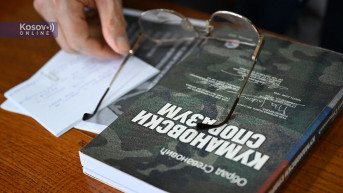
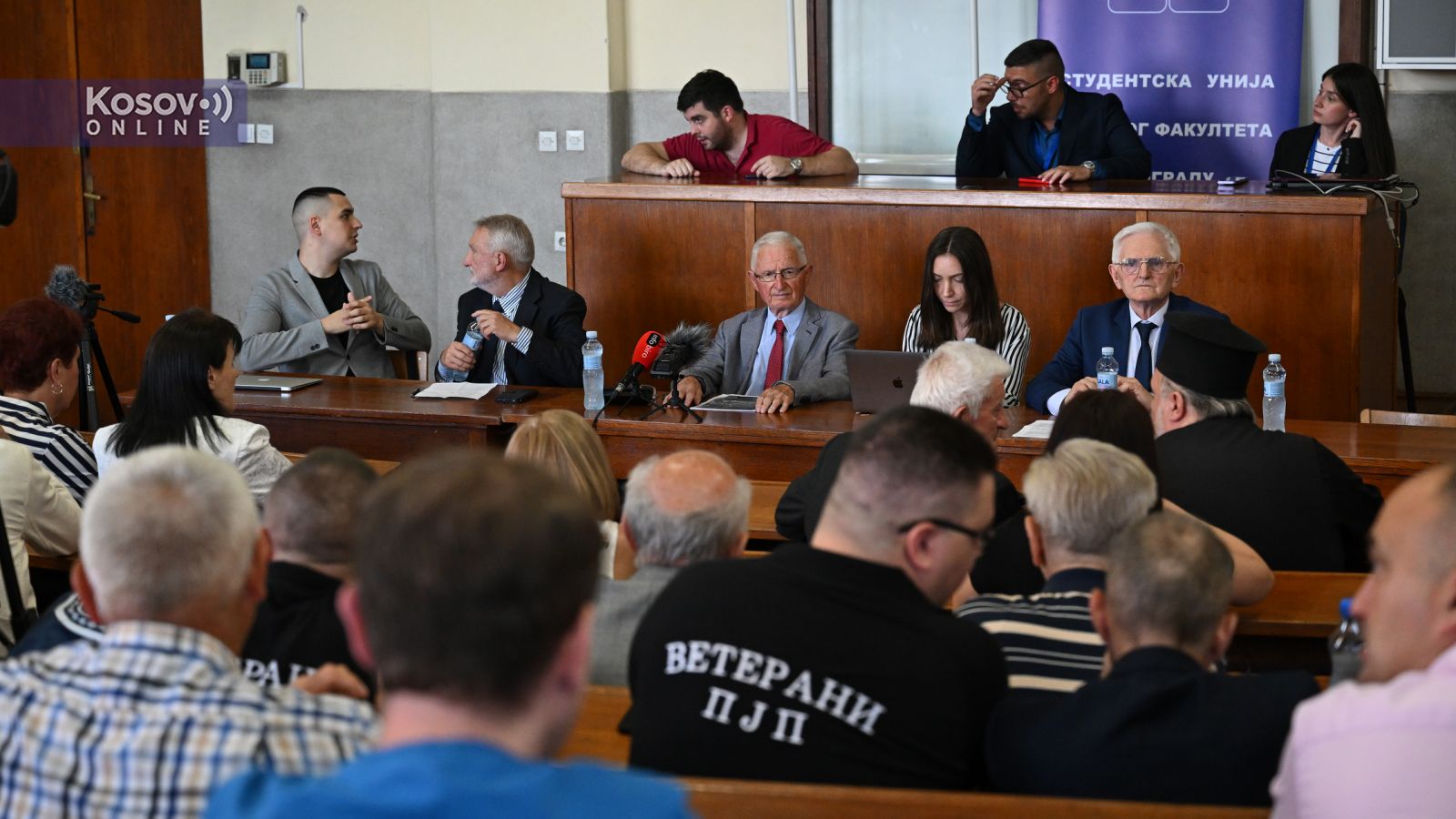
United Nations Security Council Resolution 1244 is a key document for Serbia in maintaining its territorial integrity and sovereignty, and preserving Kosovo within its composition. However, the issue is its non-implementation, concluded participants of a roundtable organized on the occasion of the 25th anniversary of the adoption of this resolution at the Law Faculty in Belgrade.
Former Minister of Foreign Affairs of the Federal Republic of Yugoslavia and President of Beoforum, Zivadin Jovanovic, noted that the adoption of Resolution 1244 by the UN Security Council in 1999 not only stopped the war and killings but also shifted the Kosovo issue from the battlefield to the realm of political negotiations. For Serbia, it represents a document of the highest importance.
"This document has survived various phases and today it remains the most significant argument for preserving the territorial integrity and sovereignty of Serbia in Kosovo and Metohija. No one can ignore or change that. It shows that there is no higher authority than the decision of the UN Security Council," stated Jovanovic.
In that document, there are also two, as he said, deceptions.
"One is the introduction of Chapter 7 of the UN Charter which anticipates the imposition of peace by force, even though it was agreed to be Chapter 6, which anticipated the imposition of a peaceful solution. That was the agreement between Chernomyrdin and Clinton," said Jovanovic.
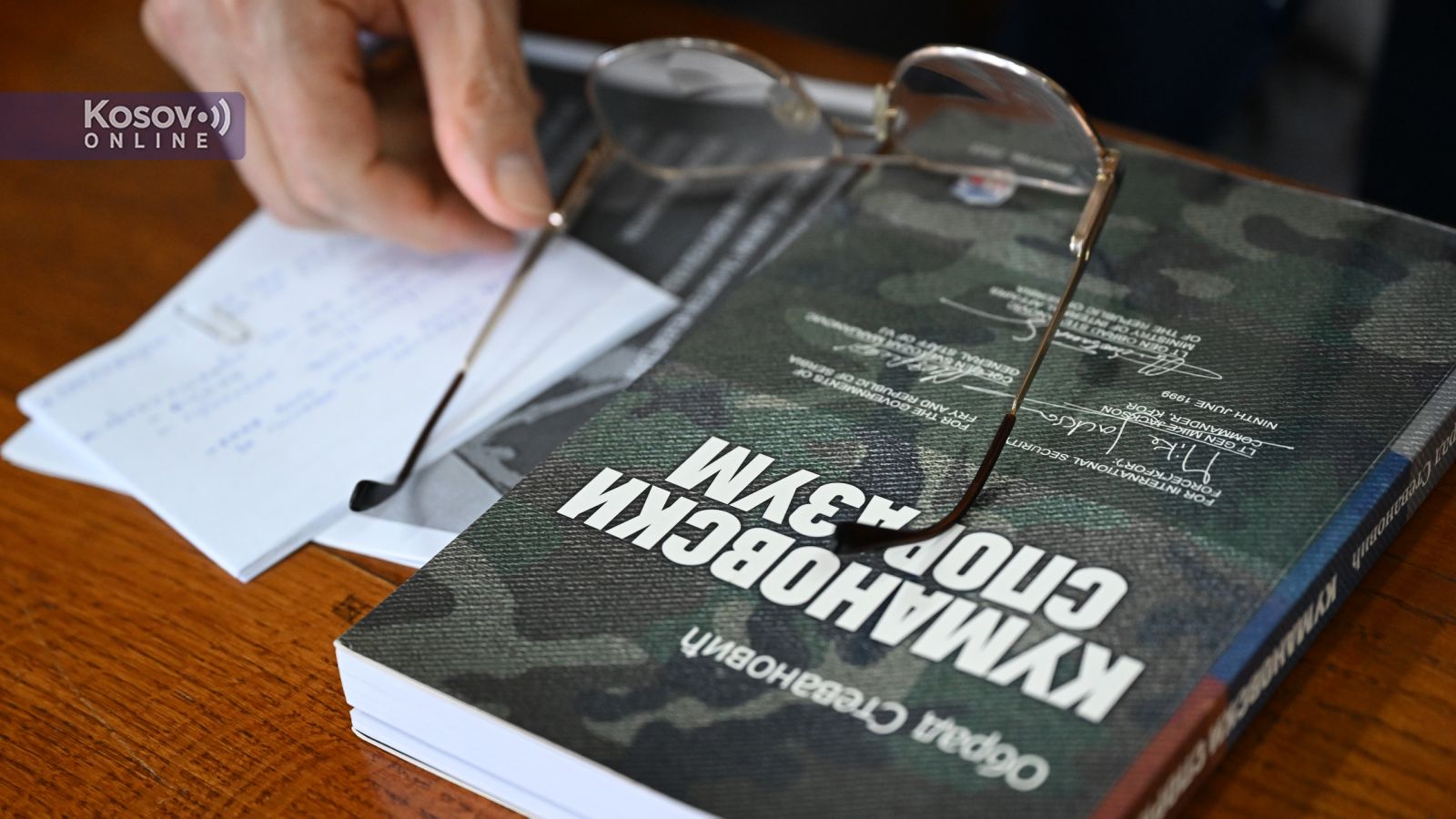
One of the signatories of the Kumanovo Agreement, retired police general Obrad Stevanovic, assessed that this agreement was not a capitulation.
"The severe consequences are not a result of the conclusion of the agreement in 1999 but of its non-implementation by those who undertook the obligation to implement it. Therefore, it is defeatist to say that the Military Technical Agreement in Kumanovo was a surrender; it was not a capitulation," said Obradovic.
He added that the key problem in the non-implementation of this document is the UN Security Council.
"The key problem today is that international forces have failed to prevent a security vacuum which has led to the persecution of 230,000 Serbs, and even today, they have not maintained a safe environment nor facilitated the return of the displaced and have not carried out the demilitarization of the KLA. It is now evolving into an army before our eyes. They fundamentally support the independence of Kosovo," concluded Obradovic.
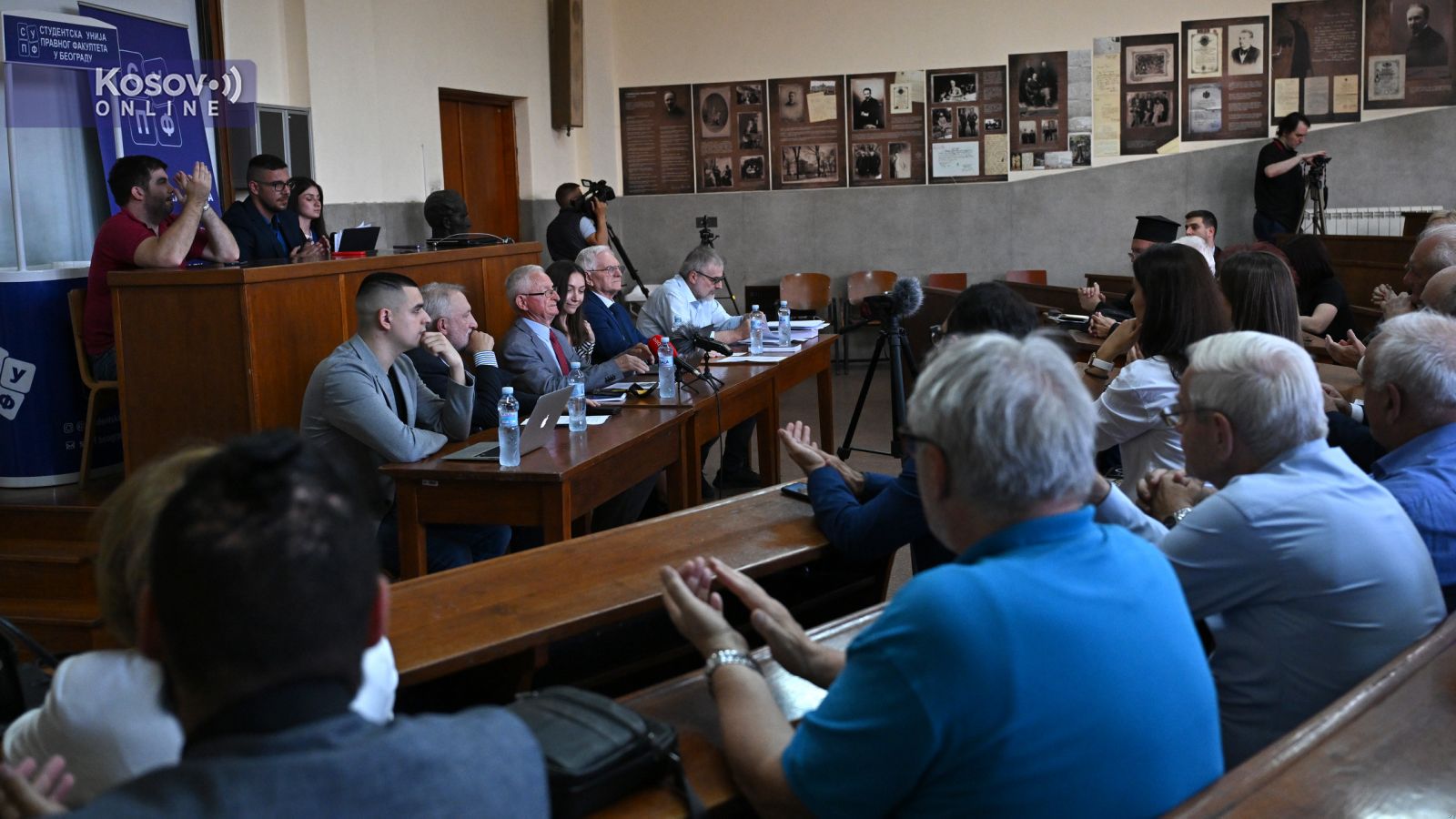
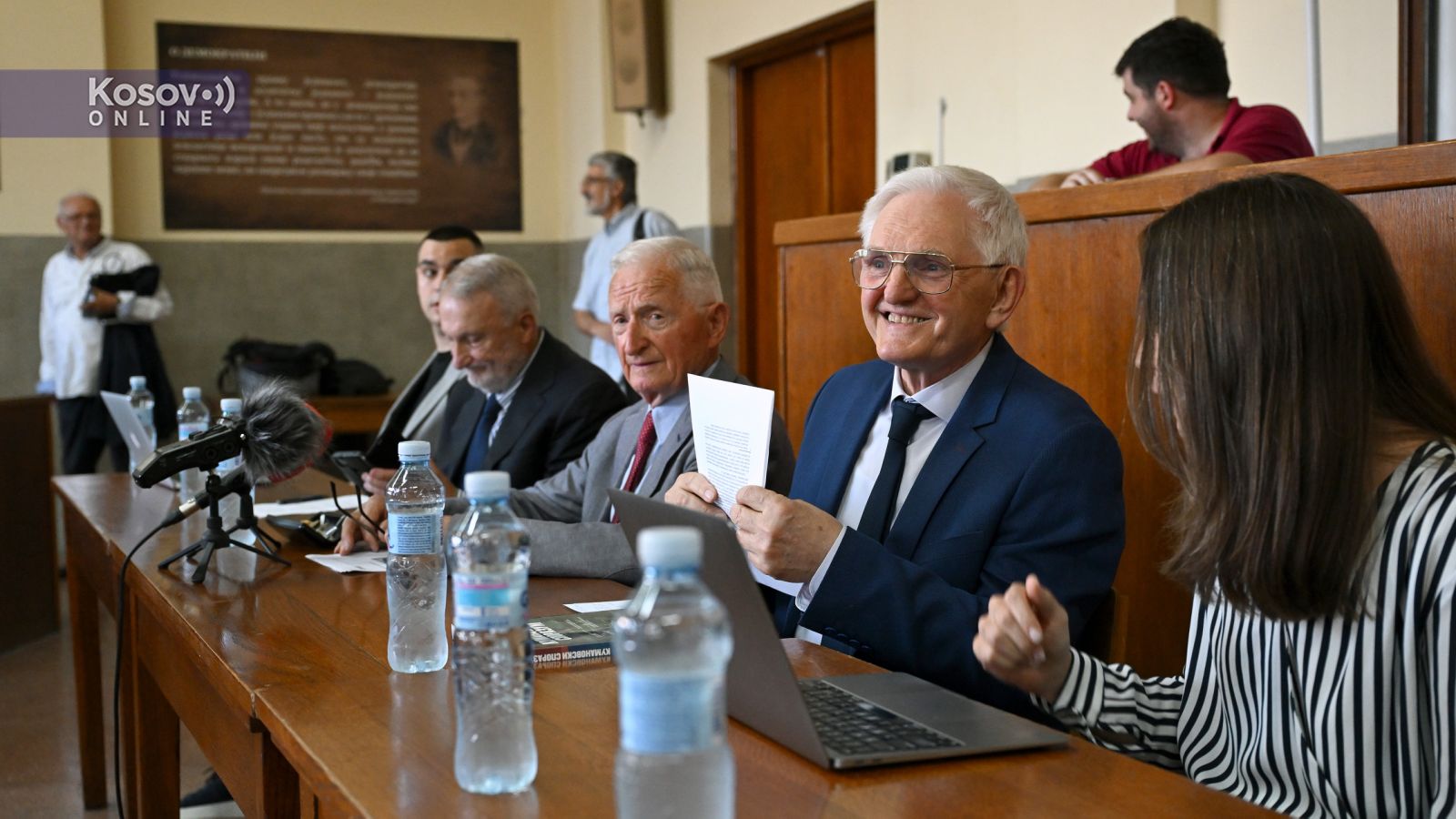




Retired Serbian Ambassador Rade Drobac, who was a diplomat in London after the war, said that NATO documents showed that this alliance in 1999 did not achieve most of its goals.
"As a diplomat after the war in London, I read their documents that they were running out of missiles, ammunition, that they would have had a thousand casualties a day if they had attacked by land, that they missed everything they could. Serbia and the FR Yugoslavia showed exceptional skill in that war. We came out of that war with minimal casualties and technical losses. No one talks about how we shot down a large number of aircraft with modest means. That was a huge embarrassment for the great powers," concluded Drobac.
Professor of International Relations at Fordham University in New York, Sandra Davidovic, has noted that a key issue is that Resolution 1244 has been interpreted in two opposing ways.
"The first is the political approach advocated by the USA, which implied moving towards Kosovo's independence. The second, a legalistic approach, assumed respect for UN decisions. From 2003, there was increased pressure to resolve this issue politically, coinciding with the March Pogrom of 2004, when there was a sudden push to proceed with the process otherwise it could escalate. It culminated in 2008 with the declaration of Kosovo's independence and the legitimization of this act as a unique legal case. However, there are many similar examples in the world, from Moldova, Cyprus, Kashmir, to Palestine. All these are unresolved conflicts where there was no such urgency for resolution," emphasized Davidovic.


0 comments