
Vucic: Dialogue with Pristina the only path to resolution; Costa: Serbia’s future is in the EU
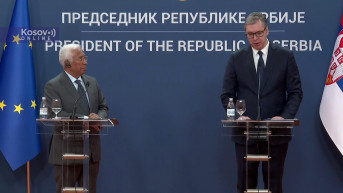
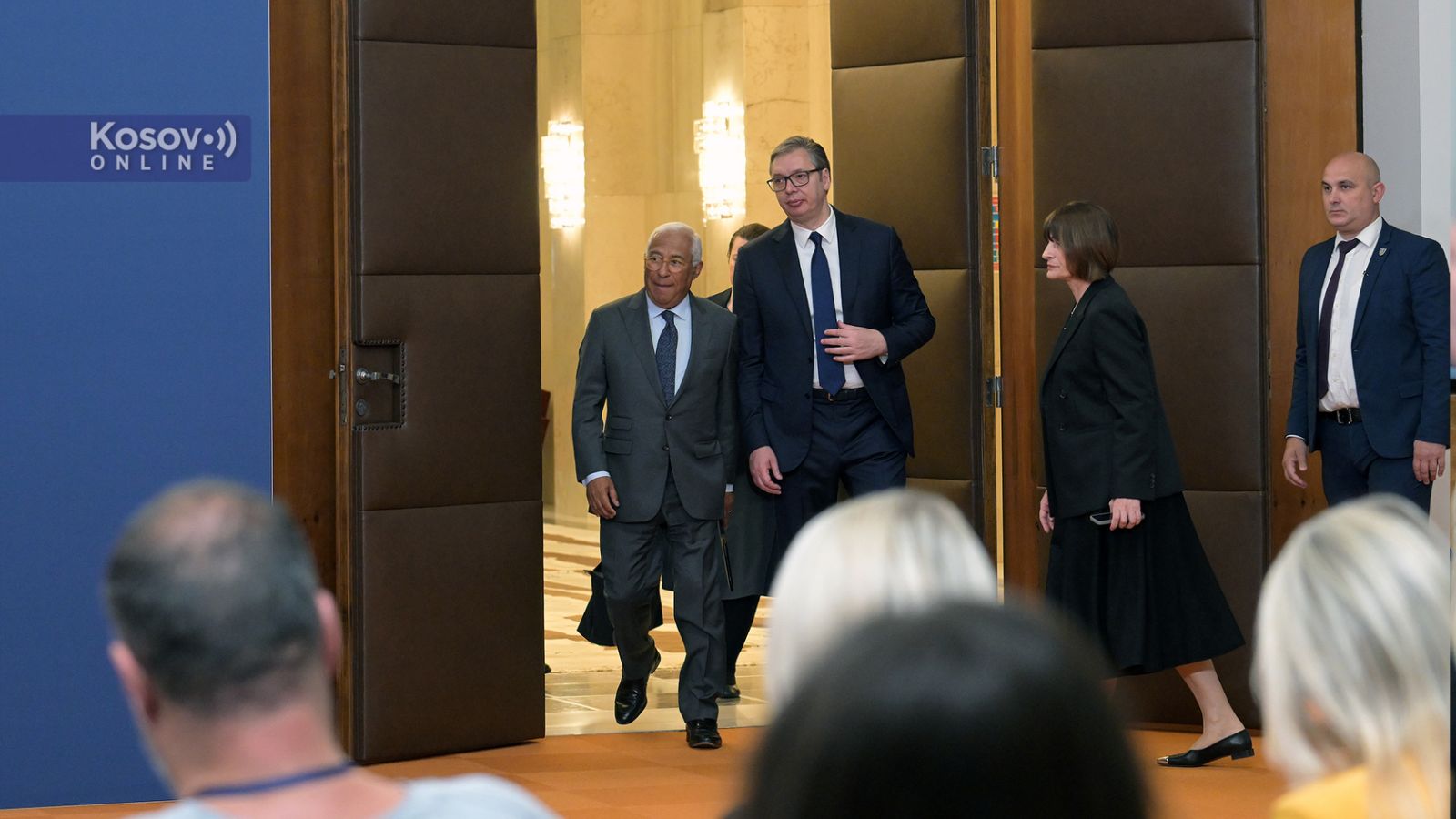
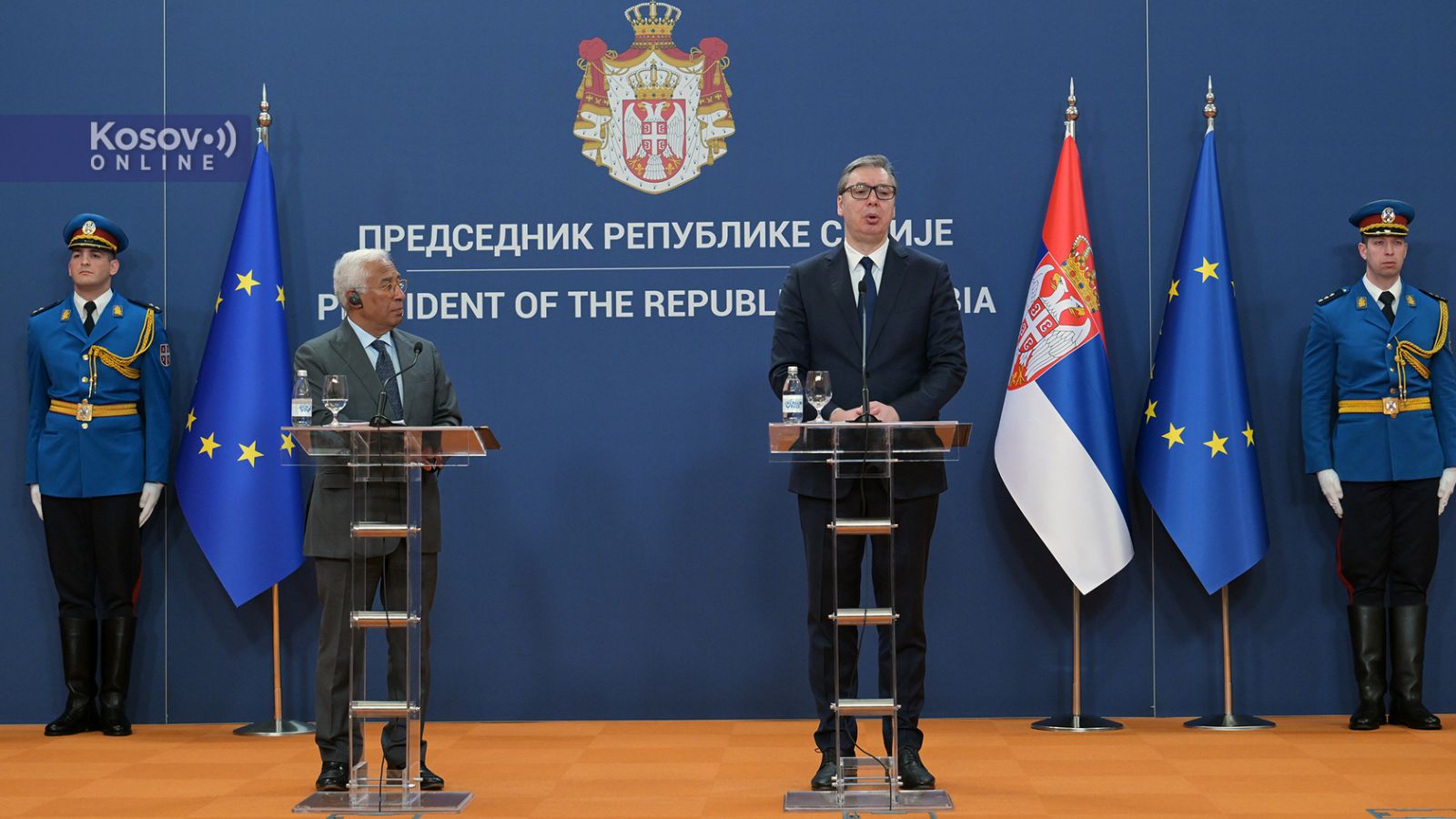
President of Serbia Aleksandar Vucic stated, following his meeting with the President of the European Council António Costa, that he is grateful for Costa’s visit to Serbia and the goodwill he brought to discussions on the country’s EU accession. Vucic emphasized that dialogue with Pristina is the only path to resolving outstanding issues, while Costa affirmed that Serbia’s future lies in the European Union.
Vucic expressed satisfaction with the meeting, stating:
“I thank Mr. Costa for visiting Serbia and bringing goodwill to our talks about Serbia’s EU accession. We discussed all important, albeit difficult topics—including the necessity of dialogue with Pristina and the preservation of regional peace and stability. Serbia is ready for talks. We have never avoided dialogue, and it remains the only viable path to resolution. We also addressed the necessity of implementing reforms in our country. One such reform package concerns media laws, where we have completed the Law on Public Information and the Law on Media Services, both of which have received the green light from the European Commission. We will finalize this legislative package, meeting one of the three key media-related benchmarks.”
On the Law on the Regulatory Agency and member appointments, Vucic noted that the process has started, followed by the selection of REM members. The third issue, he added, involves expectations for a positive EU opinion concerning the implementation of ODIHR recommendations on electoral laws and processes, including the voter register.
“It is essential to build trust and confidence in the electoral process. The EU is our most important partner. Our trade volume with the EU exceeded €53 billion for the first time in 2024, with our exports also reaching record levels. This demonstrates Serbia’s importance to the EU. Though small in size, we want to be part of Europe. It matters to us because four out of our ten largest exporters are from the EU. It’s also important that we diversify exports within the EU, which are currently concentrated in Germany, Italy, Romania, and Hungary,” Vucic said.
Green Light for Cluster 3
Vucic added that Costa had also openly discussed his recent visit to Moscow:
“I understand how many in the EU perceive it and how they often feel differently than we do. However, what matters is Serbia’s political will. Our expectation is that Serbia continues on its European path, accelerates integration, and completes its tasks. We aim to open Cluster 3 as soon as possible—whether in June or October remains to be seen, since the atmosphere following my Moscow visit is not entirely favorable. But I believe the EU will show understanding and that we will receive the green light for Cluster 3 and beyond. It’s a matter of political will and direction, and regardless of differences, I will always say that Serbia’s present and future lie in cooperation and—hopefully—EU membership.”
Vucic expressed hope for Costa’s continued support:
“I understand the EU’s criticism that Serbia has not aligned with sanctions against Russia. But Serbia has remained principled, supporting the UN Charter and applying that principle consistently—both to our own territorial integrity and to others’. I spoke with Mr. Costa about our political legacy, and I hope to conclude my term with Serbia significantly closer to the EU. I once again thank Mr. Costa for his visit and look forward to fruitful discussions in Tirana.”
Costa: A Window of Opportunity for Serbia
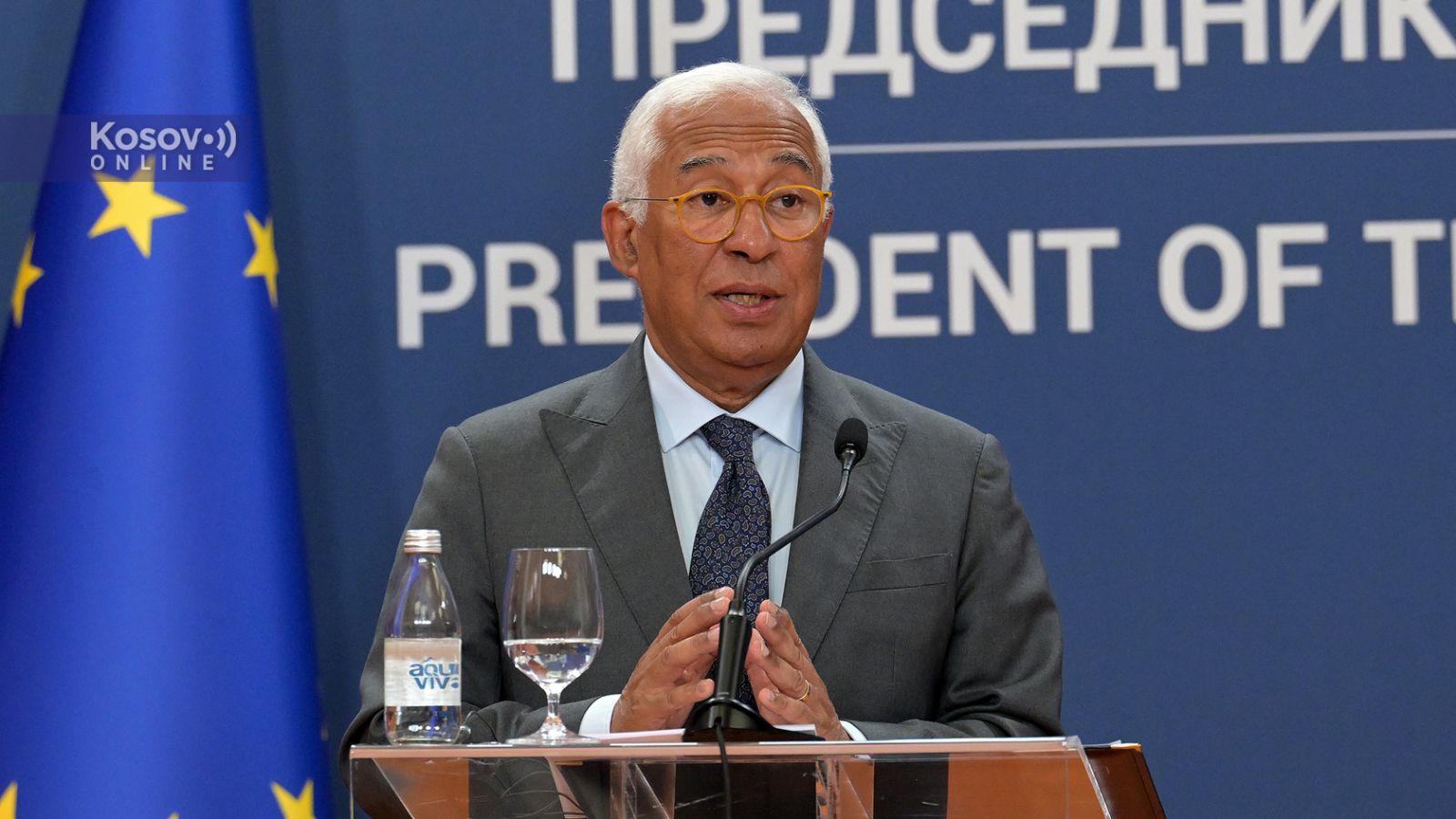
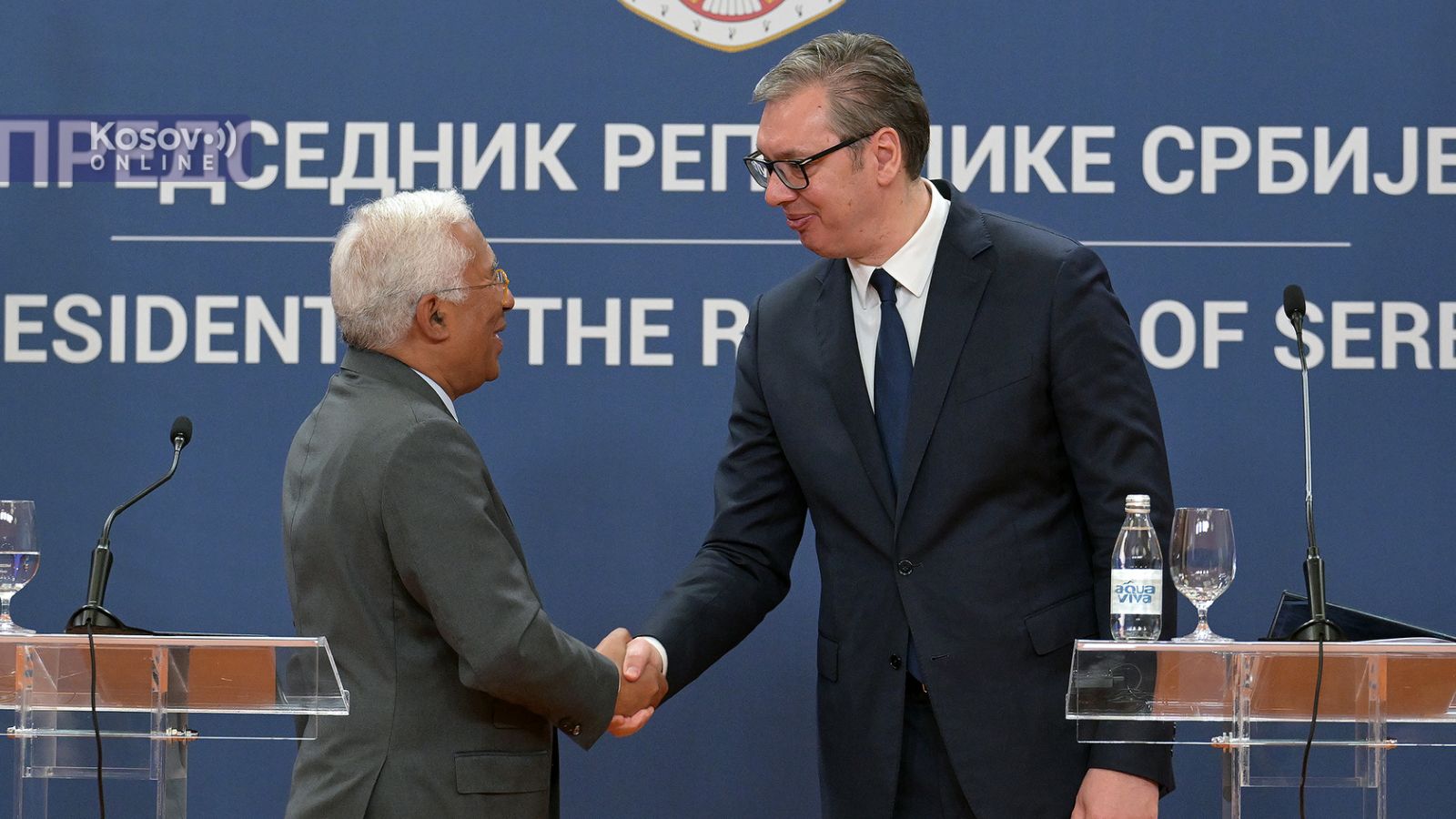
Antonio Costa thanked Vucic for a productive meeting, stating:
“In December, when I began my term as President of the European Council, I signaled support for the enlargement process toward the Western Balkans. Today, I begin my tour of the region here. This is our fourth meeting since I took office. Accession is a process of building trust. Let me be clear—there is currently positive momentum for enlargement, and this is a window of opportunity for Serbia to seize. The EU remains firmly committed to Serbia’s accession as a stable and prosperous country that, despite its past, has chosen a European future. I am pleased to hear that integration remains your top priority. It is essential that this commitment is swiftly translated into concrete actions and accelerated reforms.”
Costa noted that the accession process is merit-based and listed key steps required to open the next negotiation cluster:
“These include media freedom, anti-corruption measures, and electoral law reform. I’m pleased to hear you are working on these areas. This is not about ticking boxes; these reforms will bring tangible benefits to the citizens of Serbia. Full alignment with EU foreign policy and positions on bilateral issues are crucial, as is dialogue with Pristina. We cannot ignore that a central pillar of our common foreign and security policy is the condemnation of Russia’s brutal invasion of Ukraine and the pursuit of lasting peace. Enlargement is about trust. Many people have lost faith in the process, but I came here today to reaffirm the EU’s commitment to achieving results. Serbia’s future is in the EU. The ball is now in your court. We must not waste time—the future will not wait. Let’s open the cluster and continue the path of successful integration.”


On the Moscow Visit
Asked whether Vucic’s visit to Moscow would affect Serbia’s EU accession, Costa replied:
“I think it’s important to clarify the context of President Vucic’s visit to Moscow. As he explained, it was a commemorative event marking a past occasion. But in the present, Serbia is fully committed to the EU accession process and understands the need for alignment with our shared foreign and security policy. We cannot change history—Serbia is commemorating liberation. But we cannot celebrate a liberation from 80 years ago without condemning today’s invasion of another country. What matters to me is not the past, but the present and the future. The EU is not about history—it is a shared endeavor by member states to overcome their histories and past conflicts to build a future together. Let’s not forget that only five years after WWII, Germany chose to turn a new page and build a common future. That is why we are here today—to continue turning difficult pages and writing a new story together.”
Costa stressed the importance of fulfilling the commitments Serbia’s leadership has undertaken, especially those crucial for opening Cluster 3:
“We cannot waste time—we must rebuild citizens’ trust in the accession process.”
Serbia’s European Path
Vucic emphasized:
“It’s not for me to listen to just anyone—I’m the president of Serbia and I listen only to the people of Serbia. I must be allowed to speak freely—whether in Moscow, Brussels, or anywhere else. Regarding my trip to Moscow, we marked 80 years since the victory over fascism. I was transparent about that. We also discussed gas agreements—important issues. Serbia is on the European path. We may sometimes have a disobedient president, as some say, but I’ve never questioned Serbia’s EU path. I accept constructive criticism from President Costa or the European Commission. We have already undertaken significant actions, and we will continue to vote through reforms in parliament. Serbia’s path is in Europe—that is our political will. I’m confident that whoever leads Serbia two years from now will continue along this path.”
He then addressed recent domestic demands:
“No one in Europe has asked me to call elections. No one asked about the release of those who committed criminal acts or stormed institutions. That’s a matter for the judiciary. No one asked me about the so-called sound cannon. And no one questioned my hospital visit to injured citizens in Kocane. From the EU, we received demands related to media laws, the electoral law, the regulatory agency, foreign policy alignment, and the dialogue with Pristina. Without these, we cannot move forward. But we are on the European path, and we will accelerate. We will open Cluster 3,” Vucic said.
A Merit-Based Process
In response to a question about Serbia receiving new conditions and when it might actually join the EU, Costa replied that the accession process is based on merit:
“We apply the same methodology to all candidates. Some countries progress faster, others slower. We want the same pace from all, but it’s up to the candidates. Not all are in the same position, but we hope those currently trailing will lead in the future. This is not something Brussels imposes—it is the sovereign will of each country. To join the EU, all Copenhagen criteria must be met. The European Commission assesses whether candidates meet these criteria and advances them step by step. President Vucic listed what’s needed for the next cluster. Now is the time for Serbia to deliver results. It’s up to the European Council to make the political decision. It’s about trust. I believe we can succeed.”
He acknowledged skepticism in Brussels about Serbia’s commitment but emphasized that trust can only be rebuilt through action and dialogue.
“I want to do my utmost to move forward and build trust—in the candidate countries, in EU institutions, and among the 27 member states. That’s why dialogue is crucial—we don’t have the same vision of everything. The only way to address differences is through open conversation. That’s why I came. Many advised me not to. But if we have an issue with President Vucic, the solution is not to avoid him—but to engage and understand. And today, we heard clearly that Serbia is committed to the EU and the accession process,” Costa said.
Serbia Has Stronger Capacities Than Others in the Region
Vucic concluded by noting he will attend the upcoming summit in Tirana alongside President Costa.
“I expect criticism—someone will surely bring up the Moscow visit. But it is vital that we talk openly and that everyone has the opportunity to express their view. Let me reiterate: I will do everything to protect Serbia’s strategic interests and stay on our path. I strongly urge all state institutions, including the government and parliament, to work diligently on EU integration. Serbia has stronger capacities than others in the region. Our economy is the strongest in the region—but without the EU, that would be difficult. We just received the green light from SEPA—the EU’s single payment area—and I believe we’ll join it by September. That’s important for our people, investors, and those sending remittances. The EU funds we receive are crucial to us, and we are grateful. This should not be underestimated.”
He pledged continued dedication:
“You have our word, Mr. President, that we will work diligently and make extra efforts to accelerate Serbia’s EU path. I ask only that you sometimes understand Serbia’s position. Thank you again for your visit and for all we’ve learned and discussed over these two days,” Vucic said.
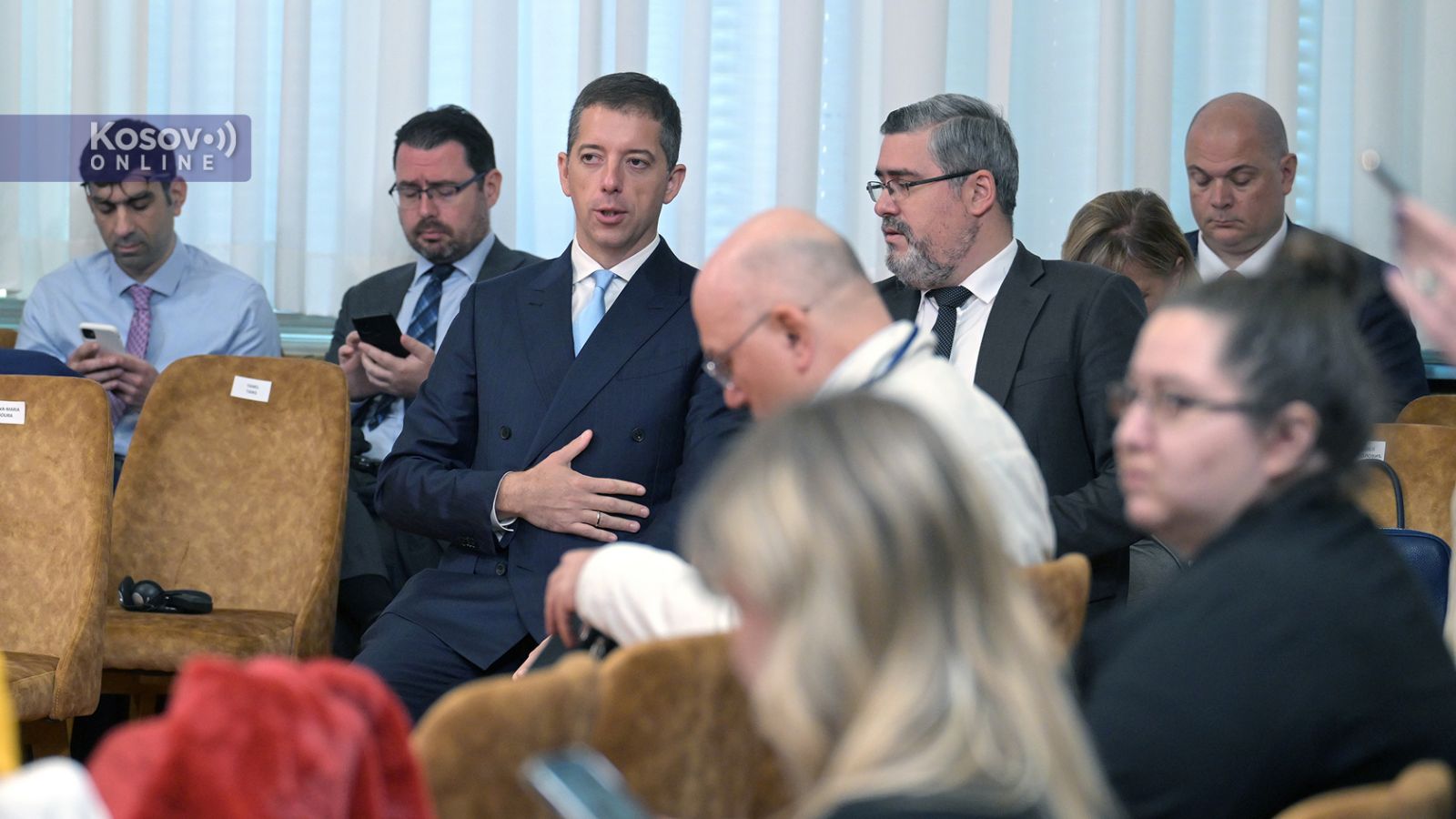
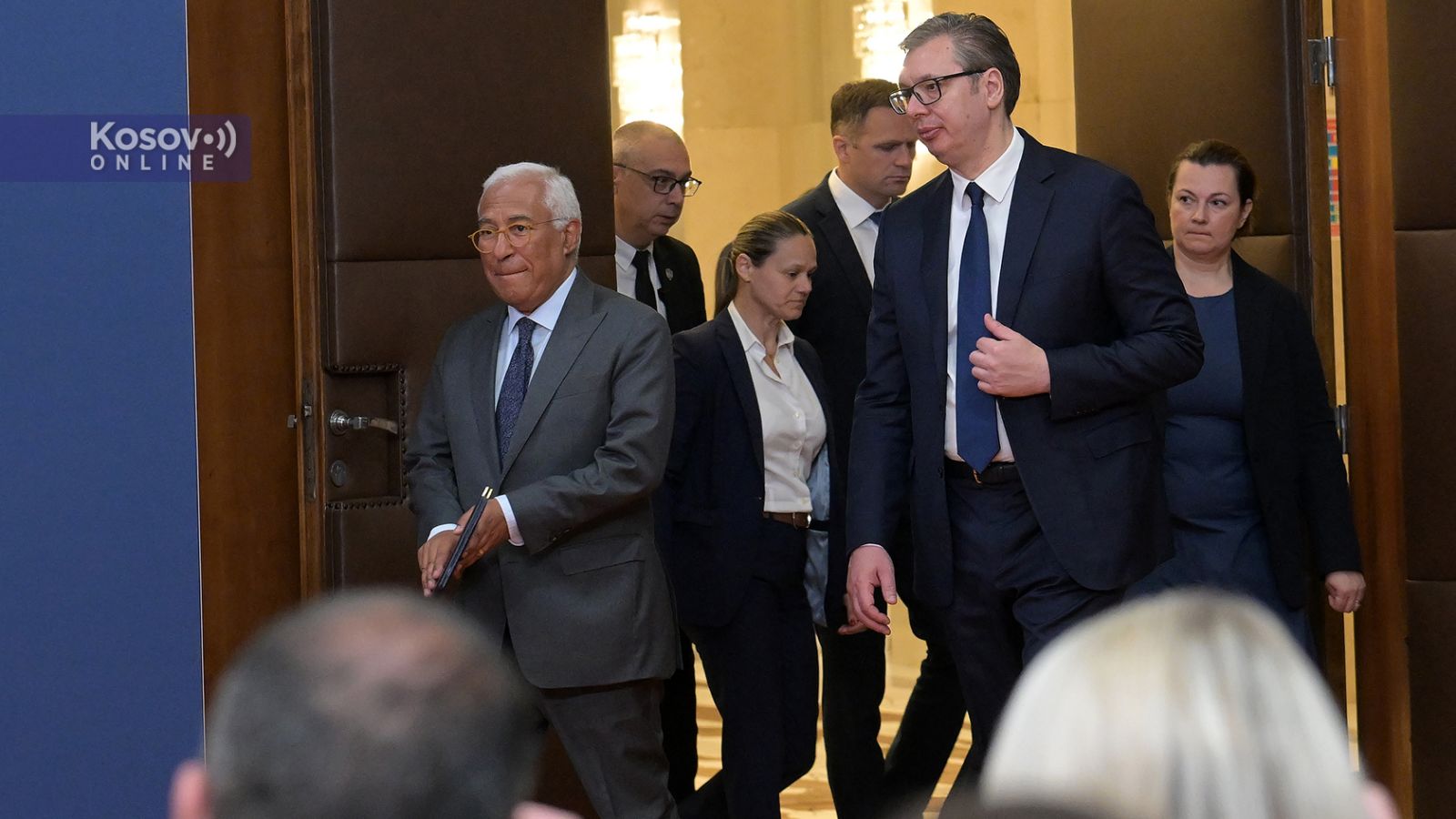
Earlier that morning, President Costa was welcomed with full state honors in front of the Palace of Serbia, including a guard of honor, the national anthems of Serbia and the EU, and a red carpet. The welcome ceremony was attended by Foreign Minister Marko Djuric, Minister for European Integration Nemanja Starovic, and the Head of the EU Delegation in Serbia, Emanuele Giaufret. The welcome was followed by a tête-à-tête meeting between Presidents Vucic and Costa, and plenary talks between Serbian and EU delegations.

0 comments