
Vujacic: Blinken's visit to Albania a support on the path to the EU, the US considers Kurti part of the problem
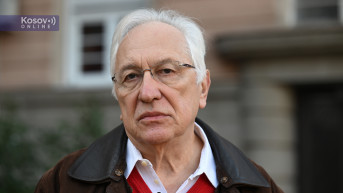
Former Serbian Ambassador to the United States, Ivan Vujacic, says that with Secretary of State Antony Blinken's visit to Albania, Washington aims to show the region that Albania is making the most progress in Euro-Atlantic integrations, while also signaling to Belgrade and Pristina that they should begin implementing the agreements reached in dialogue. Vujacic also believes that Blinken will ask Albanian Prime Minister Edi Rama to influence Kosovo Prime Minister Albin Kurti and Serbian President Aleksandar Vucic in that direction.
"Blinken is coming to Albania because Albania is a NATO member and has EU candidate status, without excessive problems or disputes with others, nor does it have significant internal issues. While there are internal disagreements, they are not as significant as in other parts of the region. They want to confirm their partnership with Albania on one hand, and on the other, effectively show the region that Albania is making the most progress in Euro-Atlantic integrations and potentially toward the EU. Because if the EU decides to admit a country in the near future, they will look at the map and say: This is the country with the fewest problems and the greatest desire. This is probably another support for Albania to move in that direction," Vujacic says to Kosovo Online.
When asked about the messages Blinken might convey to Pristina and Belgrade from Tirana, Vujacic says they will relate to the implementation of the agreement reached in Ohrid last year.
"One of the things that emerges from this visit is a message to both Pristina and Belgrade that they will not engage in dialogue with them until something is initiated. This is likely to influence both Kurti and Vucic to adhere to the Ohrid agreement and implement it as soon as possible because they currently have a bad situation, and in American views, both Kurti and Vucic are probably at fault. Kurti for delaying his obligations regarding the Community of Serb Municipalities, and Vucic for Banjska and not conducting an investigation into the matter. That incident greatly angered Washington and Blinken, he even called him because of it. So the messages are in the sense that they should start implementing what they agreed upon, and I also assume that Blinken will ask Edi Rama to act on both of them in that direction," Vujacic says.
Regarding how it can be interpreted that the US Secretary of State will be close to Kosovo but, at least according to the State Department's announcement, will not visit, Vujacic says it's because America considers Kurti part of the problem.
"They believe he is not constructive, and this is a demonstration toward him. Even at the Security Council, Kurti did not fare as he probably expected, but worse than he thought. He was made aware that they are not satisfied with his attitude toward Serbs in Kosovo and his obligations," Vujacic notes.


0 comments