
Vujinovic: Ambassadors say what the host will tolerate; it's different from what is said behind closed doors
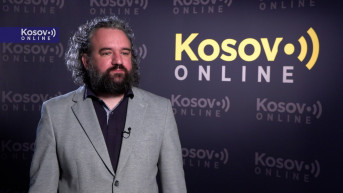
It is diplomatic etiquette for ambassadors to say what the host country will tolerate or accept, so there is no fundamental difference between the statements of U.S. Ambassador to Belgrade Christopher Hill, who believes that de jure recognition of Kosovo will not be a condition for Serbia's entry into the European Union, and U.S. Ambassador to Pristina Jeffrey Hovenier, who states that the dialogue must end with mutual recognition, says Nikola Vujinovic, a security studies researcher.
He points out that the U.S. seeks stability in Europe, and if that means telling Serbia it does not have to recognize Kosovo, diplomats will say that.
"Certainly, the U.S. ambassador in Pristina cannot say anything other than that Serbia will recognize the independence of Kosovo and Metohija, while in Belgrade, Christopher Hill might be able to speak a bit more sharply. But we see that since Hill has been here as ambassador, both he and the U.S. have tried to put as little pressure on Serbia as possible regarding this issue. This is evident in both their words and actions concerning our internal political problems. They do not want to put additional pressure on us, but we see that it happens in practice. Chapter 35 in the negotiations with the EU was adopted as it is, and I think that recognition will have to come in some form in the end," Vujinovic told Kosovo Online.
He notes that the task of diplomats is to speak in this manner publicly, while the messages they send behind closed doors are a different story.
"Mr. Hill sent a very mild message so as not to further upset the citizens of Serbia, the vast majority of whom are against this idea. We can assume that the U.S. ambassadors in Kyiv and Moscow speak differently. Certainly, the one in Moscow does not condemn Russia's aggression in Ukraine, regardless of how it looks from the outside. Therefore, Hill's and Hovenier's statements are not unexpected; in fact, it is more surprising that Christopher Hill in Belgrade is not a bit sharper on this issue. He could have said, 'we'll leave that to the European Union,' without stating his own opinion. But everything can change tomorrow; diplomacy often involves saying one thing today and another tomorrow," says our interlocutor.
Regarding the official policy of Washington—whether Serbia should de jure recognize Kosovo and when—Vujinovic says that the U.S. has recognized Kosovo's independence and will not revoke that recognition under certain incentives.
"One way for them to no longer recognize Kosovo is if we conquer it and then they acknowledge it as our territory. Meaning, 'we'll forget that we recognized that independence.' So, we simply expect that they will defend that independence. What's interesting in this regard is that their current priority is the stability of this region. There are enough problems in Eastern Europe for them to avoid heating up the situation further. We see that some EU countries are doing this for various reasons, against which the U.S., if not actively opposing, at least does not want to support. And I think that these statements, especially from Christopher Hill, stem from this because we are the main actor with whom they need to discuss this topic," says Vujinovic.
He assesses that the situation on the eastern front is not going well and that it is only a matter of time before the "Ukrainian front collapses."
"The U.S. seeks stability, and if that stability means telling us 'you do not have to recognize Kosovo and Metohija,' while treating it as an independent state, they will do that," concludes Vujinovic.


0 comments