
Joksimovic: State Department believes that Kosovo recognition is needed, this is unrelated to Serbia's EU membership
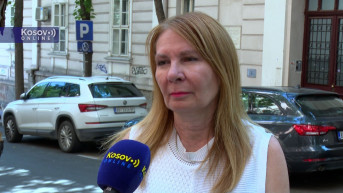
Director of the Center for Foreign Policy and former Serbian ambassador to the United Kingdom, Aleksandra Joksimovic, says for Kosovo Online that there are not two different US policies towards the region and that the statements of US Ambassador to Belgrade, Christopher Hill, who believes that de jure recognition of Kosovo will not be a condition for Serbia's entry into the European Union, and US Ambassador to Pristina, Jeffrey Hovenier, who says the dialogue must end with mutual recognition, are not contradictory.
"The State Department strategically and long-term considers that there is a need for recognition, but this is not connected at this moment with Serbia's EU membership," Joksimovic said.
She reminds that in Serbia's negotiation process with the European Union, Chapter 35 includes the Brussels Agreement from last year and its implementation annex, and that these documents do not explicitly demand recognition.
"Therefore, what Ambassador Hill stated is actually his expectation that the European Union will stick to the current expectations in the negotiation process with Serbia and that Serbia's ultimate destination is full membership in the European Union, and the sooner that happens, the better. This is what the US advocates for, the European path of the entire region, including Serbia. I think Hill accurately interpreted what is formally written in the negotiation framework with Serbia at this moment, specifically in Chapter 35, which deals with the dialogue between Belgrade and Pristina. Hill also reminded of the fact that five EU countries have not recognized Kosovo's independence, so the negotiation process should be viewed in that context. Therefore, Brussels must be very cautious given the differing views on this topic among different member states," Joksimovic noted.
Regarding whether the US expects Kosovo to become a member of the United Nations before Serbia enters the EU, Joksimovic says that experiences from other countries show that certain demands and requirements can be paused at some point, with the expectation that they will be fulfilled once the country has already become an EU member.
"It is difficult to speculate at this moment how the negotiation process between Brussels and Serbia will unfold in the future. The EU enlargement process is currently a crucial segment for the future European Commission. It is a priority primarily due to the need to strengthen the security of the European continent, i.e., the EU. This is how the EU currently views its weak points, if I may put it that way. Additionally, the rise of the right is something that must also be considered, and we will see whether certain member states will have the capacity for accelerated accession of the Western Balkans. Undoubtedly, the EU views Serbia as an extremely significant country in this process and will try to encourage it to meet the most important conditions so that progress can be made in this process," Joksimovic concluded.

0 comments