
Vujinovic: The KSF will not engage in warfare with anyone in the Balkans without NATO, but they will have a role in internal unrest
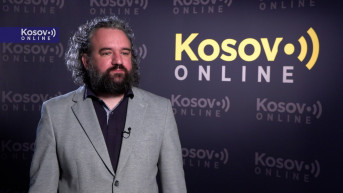
The Kosovo Security Force and the Iowa National Guard have been cooperating for 13 years. Recently, Major General Stephen Osborn, Commander of the Iowa National Guard, visited Kosovo. Security studies researcher Nikola Vujinovic states that from a military standpoint, this cooperation does not hold as much significance as it does when viewed from a political perspective.
"This program is very significant for the United States, which cooperates with 106 countries around the world, and through cooperation with Kosovo, it sends a message that Kosovo is a democratic country that respects Western values. By deepening this cooperation, they are sending a message to Kosovo that 'you are on the right path to Euro-Atlantic integrations.' Additionally, a message is being sent to Serbia, which also participates in this program on a much larger scale with the Ohio National Guard. For Serbia, the political message is that Kosovo is an independent state and that this reality must be accepted," Vujinovic told Kosovo Online.
He states that the cooperation between the Iowa National Guard and Kosovo is predominantly in the medical field, but the training of KSF members in internal security matters is noteworthy.
"The Kosovo Security Force will not engage in warfare with anyone in the Balkans without NATO, but they do have a role in internal unrest, in combating civil disobedience, and in dealing with demonstrations. The role of the United Kingdom is particularly significant here. They train security forces, whether police or these so-called military forces, which should not even exist according to Resolution 1244 and the Kumanovo Agreement. The United Kingdom trains these forces to combat protests and demonstrations," our interlocutor states.
Vujinovic adds that the Iowa National Guard does not train the KSF in the use of advanced weapons technologies; instead, Turkey is responsible for this, equipping them with "Bayraktars" and armored vehicles.
"This is somewhat problematic, but I wouldn't consider it a security issue because I don't foresee the Kosovo Security Force essentially becoming a fighting army. However, I fear it could become a force that controls its population, whether they are Serbs, Albanians, or others. This is the problematic aspect, and I believe our institutions are monitoring it very carefully. What KFOR did a year ago in Zvecan when it defended municipalities from Serbian protesters is something that, in the future, the KSF is expected to do. Considering how the police forces treat Serbs in Kosovo and Metohija, we can only assume the depth of the problems we will face if these so-called security forces take on that role," Vujinovic points out.


0 comments