
Vujinovic: Wahhabism is widespread in Kosovo, it affects the militarization of some Albanians
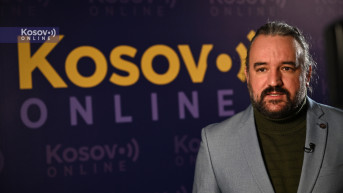
Security studies researcher Nikola Vujinovic warns that radical Islam, particularly through Wahhabism and Salafism, is widely spread in Kosovo and is contributing to both the instrumentalization and militarization of certain Albanians.
"When we consider that over 30% of the Albanian community in Kosovo and Metohija identify themselves as Muslims first and Albanians second, we can assume that the scope of radical Islam is quite significant. Furthermore, when we factor in the data showing that Kosovo and Metohija have the highest per capita number of Islamist fighters in the Middle East, we can responsibly state that radical Islam is widespread," Vujinovic told Kosovo Online.
He identifies Wahhabism as the most prevalent form of radical Islam in Kosovo and points to the militarization of its followers as a significant concern.
"Essentially, this is Wahhabism – Sunni radical Islam originating from Saudi Arabia. The fact that Saudi Arabia sponsors Sunni communities worldwide, including in Bosnia and Herzegovina and the Albanian community, allows us to say that Wahhabism, and more broadly Salafism, forms the foundation of radical Islam in Kosovo and Metohija. The real issue is the instrumentalization of Muslims, particularly in terms of their militarization, which is especially prominent in Kosovo and Metohija," Vujinovic explained.
He cites security service estimates indicating that between 350 and 400 fighters from Kosovo are currently active in various Middle Eastern conflict zones.
"We can identify an entire unit of Albanians from the Western Balkans, including Albania and Kosovo and Metohija, fighting with Tahrir al-Sham as a special Albanian unit," Vujinovic stated.
He adds that estimates suggest Albanian fighters have been involved in these conflicts since 2011, with the formation of the Islamic State, and that many of them have been killed.
What is alarming, he notes, is that many of these fighters traveled to these conflict zones with their families.
"They brought their families – their daughters and sons. We now have information that some of the wives and daughters of these deceased fighters are currently in prison camps run by opposing factions. Most of them joined the Islamic State, especially after its split from al-Qaeda. Originally, they went to the al-Nusra Front, which is the Middle Eastern branch of al-Qaeda. Today, many of them are part of Tahrir al-Sham, which is linked to the current Syrian government following Bashar al-Assad's fall. According to the data we have – Deutsche Welle recently reported on this – they hold significant roles, especially within security apparatuses," Vujinovic said.
Commenting on the recent indictment filed by the Special Prosecutor’s Office in Pristina against an individual for participating in the al-Nusra Front, Vujinovic mentioned that around ten such fighters are already imprisoned in Kosovo.
However, he emphasizes that the main challenge for Kosovo’s judicial system is ensuring justice for these individuals.
"We can responsibly state that the so-called Kosovo government prosecutes these fighters to the extent possible, given their capacity to apprehend them. At the same time, we know there are entire areas of Kosovo and Metohija where security forces rarely venture. This demonstrates a certain dynamic," Vujinovic said.
He also notes that, due to the large NATO presence in Kosovo, most Islamist groups use the region as training centers rather than active operational bases.
"These Islamist groups primarily serve as training grounds for fighters who will later operate in Vienna, Hamburg, and other parts of Europe, targeting the European Union rather than Kosovo itself," Vujinovic concluded.



0 comments