
Vuletic: The biggest challenge for the new government is that the Franco-German plan does not become part of Chapter 35 in its entirety
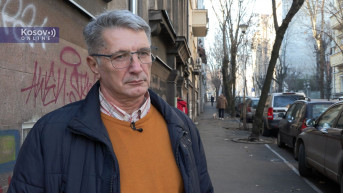
The new government of Serbia faces numerous challenges regarding the Kosovo issue, and one of the greatest is the attempt to incorporate the commitments from the Ohrid Agreement, i.e., the Franco-German plan, in its entirety into Chapter 35 of the negotiations with the European Union, sociologist Vladimir Vuletic says for Kosovo Online.
"In that case, we would find ourselves in a situation where one of our strategic goals and policies, the path toward the EU, would be jeopardized. If we were to agree to that, then our second strategic goal would also be jeopardized, and, in general, the entire policy of Serbia, which is currently being conducted in a way to maintain balance, not only on the international level but also balancing those two key goals around which, ultimately, there are different divisions in Serbia. If you jeopardize that, then it is no longer just a problem for the government; it becomes a problem for the entire country because you enter a situation where conflicts might arise, and it is unclear where they would lead us," Vuletic believes.
He emphasizes the importance of achieving normalized relations, stability in the region, peace, and the normal flow of people and ideas.
"But the essence is that you cannot allow what has been said so many times and what, in a way, Pristina expects, and that is the recognition of Kosovo by Serbia. This has been going on for years and will continue. It is about reaching a kind of compromise that would secure everything we have talked about without involving the recognition of Kosovo by Serbia, because then it wouldn't be a compromise. It is actually the impossibility of squaring the circle when it comes to Belgrade's policy toward Pristina," our interlocutor notes.
He points out that it remains to be seen whether, primarily in the capitals of the US, EU, and leading European countries, they will view Serbia's commitment in that direction favorably.
"There is no doubt that there are those who see things this way, who see that Serbia is part of the solution to the problem. Now they just need to convince Pristina to be part of the solution as well. Alternatively, other currents and factions that exist might have more power and attempt to force Serbia to do what it cannot do. There will be a heightened situation then. We will continue from where we were, it's just a matter now, of course, to see what will happen in the US elections, as we witnessed that the Trump administration had a somewhat different view on resolving the relations between Belgrade and Pristina," Vuletic says.



0 comments