
Vuletic: Kurti is mistaken if he expects that by expelling Serbs, he will achieve Serbia's recognition of Kosovo
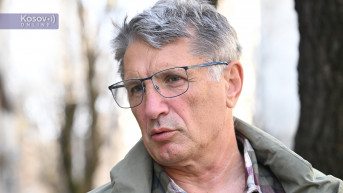
Sociologist Vladimir Vuletic tells Kosovo Online that Kosovo Prime Minister Albin Kurti is mistaken if he expects that by expelling the Serbs from Kosovo, he will achieve that Serbia and those who fight for the principle of sovereignty recognize Kosovo. Such logic, he adds, would certainly complicate and undermine the purpose of that struggle, but it would not bring it into question.
By pressuring Serbs, Vuletic says, Kurti, on the one hand, achieves Serbs' emigration, but on the other hand, the essence of those pressures, he believes, is for those who remain to accept the Kosovo authorities.
"The point of these pressures is to put people living there before a choice: 'Is it better for my and my family's existence to accept the Kosovo authorities and get some kind of normal life, whatever that means, or, on the other hand, insist on my right to live in the way and environment I want.' Ultimately, he doesn't care whether two or three percent of Serbs who have no political power live in Kosovo. He might even prefer to have more of them, but they should be among those who accept the independent state of Kosovo. That would even give him some kind of justification in international talks," Vuletic says.
As he notes, there are few Serbs left in enclaves in Kosovo, and only in the north do they exist in significant numbers, in the sense that they can expect their voting in those municipalities to lead to Serbian local self-government.
"The number of Serbs in Kosovo has generally declined long ago, especially after the 2004 pogrom. The number of Serbs is a key issue, but even if there were no Serbs in Kosovo at all, Kurti should not delude himself that Serbia would then give up the fight for its territory. Also, the question of protecting compatriots if they are endangered is not related to whether Kosovo is independent or not, and the other issue is integrity," Vuletic says.
When asked whether a mono-ethnic or multi-ethnic Kosovo is in the interest of the international community, Vuletic says that the international community is not concerned about the questions of either Serbs or Albanians but about the homogeneity of the Western order, which is now facing various challenges.
"One of them is the war against Russia, or how to ensure that homogeneity. Since 1998, the assessment has been that playing the card of Kosovo Albanians is a safer way to secure that global interest, and that is one of the reasons why a political decision was made at the time that it is safer for the West to support Albanians, for demographic and geostrategic reasons, as well as because of the special ties that have always existed between Orthodox peoples. And that frozen conflict is something that suited certain actors in the West and allowed their presence here in the region. This should be kept in mind. The West sided with the Serbs when they were in demographic momentum in World War I, but today that is no longer the situation, or at least not in the last quarter of a century," Vuletic concludes.



0 comments