
Weber: Visa liberalization should have been implemented a long time ago, there are arguments both for and against when it comes to Serbs from Kosovo
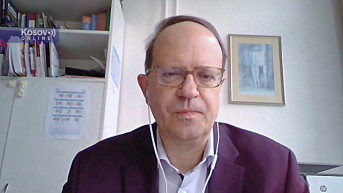
Bodo Weber, a Balkan expert and senior associate of the Council for Democratic Policies in Berlin, told Kosovo Online that visa liberalization for Kosovo should have been implemented long ago because it deeply undermined the EU's credibility in Kosovo.
"This is something that should have happened a long time ago. It is something that deeply undermined the credibility of the EU in Kosovo, this delay of practically half a decade. It should be reminded that as early as 2018, the European Commission determined that Kosovo had met all the conditions for visa liberalization. It was not related to Kosovo and meeting the conditions; Kosovo was just collateral damage of right-wing movements in geopolitics, and this delay truly undermined the credibility of the EU both towards citizens and towards the government in Pristina," said Weber.
He adds that this is a long-awaited and justified move that has finally been realized. Regarding Serbs in Kosovo who have passports issued by the Coordination Office, Weber believes that this topic has sparked a lot of controversies.
"The European Commission initiated the idea that Serbs in Kosovo who do not have Kosovo documents can also enjoy the benefits of visa liberalization, meaning they can enjoy all the benefits of free travel. This has sparked a lot of debates and controversies on this topic, not only between Belgrade and Pristina but also among NGOs based in Pristina and those based in predominantly Serbian municipalities. This issue has arguments both for and against. The main question is what was the main motive in 2009 when Serbia received visa liberalization to go for such a blockade. Whether it was in terms of fear of smuggling and other issues, whether it was a question of status because later in the dialogue, they specifically talked about solving the issue of status and recognizing the reality of independent Kosovo. In that sense, such a decision can be challenged; there are arguments from Pristina that this ban led to an increasing number of Kosovo Serbs who do not have Kosovo documents now taking passports," says Weber.
He emphasizes that this is a complicated issue with good arguments to maintain that status, but there are also good arguments in favor of Serbs in Kosovo not being the only ones excluded from visa liberalization.
The full interview with Mr. Weber will be published on Friday.



comments