
Atanasovski: Podgorica maintains correct relations with others in the region
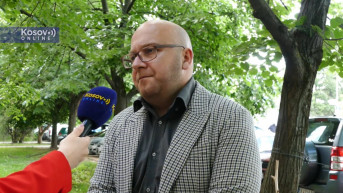
Analyst Blagojče Atanasovski from Skopje stated that since becoming an independent state, Montenegro has gained momentum toward Euro-Atlantic integration while simultaneously maintaining correct relations with its neighbors.
Speaking to Kosovo Online, Atanasovski said that over the past 20 years Montenegro has fully oriented itself geopolitically toward integration into Western alliances.
“After the dissolution of the Serbia and Montenegro union, this small Balkan state embarked on the path of Euro-Atlantic integration. Montenegro is already a permanent and full-fledged member of the NATO alliance and, according to all announcements, in the foreseeable future it will become the 28th member state of the European Union. This means that Montenegro has definitively oriented itself as a state, as a society, and in its geopolitical direction toward full integration into Western alliances,” Atanasovski stated.
When it comes to relations between Montenegro and Kosovo, Atanasovski says they are within the boundaries of what is normal in the Balkans.
“We know that the Balkans as a region are a fragile and turbulent area with an extremely difficult past. Thirty or forty years ago, during the breakup of the former Yugoslavia, wars and military conflicts occurred across much of the Balkan Peninsula. From that perspective, I believe relations between Montenegro and Kosovo are correct and there have been no dramatic deteriorations in those relations. Relations are within the framework of normal diplomatic and social ties between two Balkan states, without major unresolved issues such as those Macedonia had with its southern neighbor Greece or with Bulgaria. That type of problem does not exist between Montenegro and Kosovo. I hope relations will remain good in the future as well,” our interlocutor said.
In his opinion, there are no major unresolved issues between Podgorica and Priština.
“Relations between the two states can certainly be deepened, but historical experience and collective memory have shown that there are no major unresolved issues burdening relations between Kosovo and Montenegro. I do not believe Montenegro, as a member of NATO or as a future member of the European Union, would condition Kosovo’s Euro-Atlantic integration path over such unresolved issues,” Atanasovski believes.
Asked whether the derecognition of Kosovo by the Municipality of Zeta could have consequences, he said he does not believe so, although he emphasized that Montenegro has a large Serbian minority.
“I do not think it will cause major consequences, because states recognize states, not municipalities. From that perspective, I do not believe it will trigger serious reactions or turbulence regarding Montenegro’s already adopted decision to recognize Kosovo as an independent state. However, since Montenegro is a multiethnic country with a fairly large Serbian minority, it could generate certain internal political and social issues,” Atanasovski assessed.
As for Montenegro’s relations with the rest of the region, he considers them fairly correct.
“There is one issue, as far as I am informed, concerning the demarcation of Prevlaka with Croatia, but I do not believe that this is such a crucial issue that Croatia, as Montenegro’s neighbor, would block Montenegro’s accession to the European Union. There are no such announcements. As for Montenegro’s other neighbors — Albania, Kosovo, and even Serbia — Podgorica has fairly correct and good relations with them. There are always certain frictions in relations between Montenegro and Serbia because of the large Serbian minority in Montenegro and the status of the Serbian Orthodox Church, but I believe those relations are fairly good and remain within the boundaries of normal communication between Balkan states,” the analyst concluded.



comments