
Kordalov: TikTok ban over children is populism; Good regulation needed instead of panic
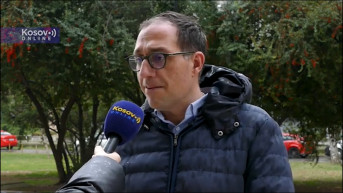
Bojan Kordalov, a communication expert from Skopje, believes that social networks are a powerful channel which, if unregulated, can get out of control. Speaking to Kosovo Online, he views the ban of TikTok in Albania, purportedly for children's safety, as more of a populist solution, advocating for regulations that uphold democracy and freedom instead of panic.
Kordalov explains that when discussing the impact of social networks, it's important not to conflate separate issues.
"The most problematic is when we mix things up, meaning if we talk about responsibility on social networks among children, we are not talking about responsibility in politics, and vice versa. These are two separate issues. As users, we have a responsibility to be protected and institutions have a responsibility to protect us with their regulations," he says. When it comes to children, he adds, what's needed more is education, community involvement, and networking in society, or finding positive practices that can be implemented online, rather than fear and bans.
He stresses that instead of panicking, we should enact regulations that serve democracy and freedom.
"I must remind you at the outset that social networks are merely a channel, an empty space, but a powerful one, which, if unregulated, can spiral out of control. Just like with artificial intelligence. Therefore, it is very important that instead of panic, we create regulations and put them in service of democracy and freedom. On the other hand, we have many examples in recent history where social networks were abused by individuals and groups for certain side's propaganda, and that is a big problem and something that must not be allowed," warns Kordalov.
He recalls instances around the world where foreign influence through social networks was discovered, even during elections in the USA, and states that lessons should be learned and measures taken from these instances.
"However, social networks in themselves, if they do not violate rules, bring advantages in political communication. Now, we must decide whether we will create a good regulation and leave room for a good political campaign or let impunity reign and constantly talk about the misuse of free will, which is unacceptable," says the communication expert from Skopje. Commenting on social network bans, he notes that there are examples of good user experiences, but, on the other hand, abuse for populist purposes.
"Somewhere it's about concrete contributions, as in Western Europe, where the ban aims to enhance the user experience or to protect the security system, for example, of the NATO alliance, the EU, and all of us as democracies. But there are cases like Albania, where it seems more populistically oriented. It's easiest when you say you will ban networks for the sake of children. That means you're actually trying to prevent and put out a fire. But when it's done for the safety of people and data, so everyone can express their democratic will, then you care about freedom. And for that, you must have support in the democratic procedure," concludes Kordalov.


0 comments