
Antonijevic: Civil Code will have implications for the Serbian community
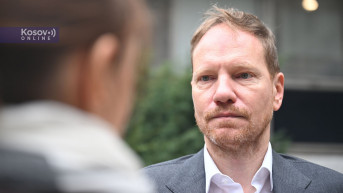
Commissioner for the Protection of Equality Milan Antonijevic told Kosovo Online that, if adopted, the Civil Code in Kosovo would have implications for the Serbian community, particularly in the areas of property and inheritance.
Antonijevic said that the Civil Code contained a section concerning same-sex partnerships, but that this issue was overshadowed by matters relating to property, inheritance, gender equality, women’s rights and other issues.
“These are all issues that have to be on the table. When we talk about property, that is an issue of particular concern to the Serbian community. Inheritance is also an issue connected with same-sex partnerships, but also with many other matters, and that is why it is important for us in Serbia to follow this debate. It will affect the Serbian community. If the Civil Code is adopted, it will have implications for the Serbian community and other minority communities in Kosovo and Metohija,” Antonijevic told Kosovo Online.
He added that it was therefore important to call for rights to be defined as comprehensively as possible and properly guaranteed, while also closely following the Council of Europe’s response to the issue.
“It is, of course, important to follow the reactions of the Council of Europe as well. These represent the highest standards in the field of civil rights, and they must be incorporated into all documents adopted in countries that are members of the Council of Europe, such as Serbia, or in those that seek to follow those standards, as Kosovo and Metohija currently does,” he said.
Given that the Civil Code has also drawn criticism, including from within Self-Determination and from religious communities in Kosovo, Antonijevic explained that this was because the legislation dealt with sensitive issues.
“Society must prepare itself for the protection of civil rights, but also for the advancement of those rights. At present, we also have the trials of former KLA leaders, and there is not much room in the Kosovo public sphere for opening up issues that are closer to citizens’ everyday lives. They are still preoccupied with major national issues, while equality and human rights remain in the background. I believe that this is why there is a division within Self-Determination and a lack of courage to take more decisive steps. I hope that we in Serbia will also learn something from this, because it is necessary to have courage, to govern the country and to make certain decisions in order to protect the rights of all citizens. Here, I am referring primarily to legislation on same-sex partnerships and its adoption in Serbia. It would truly be a setback if every country in the region had such a law, if it were now being discussed even in Kosovo and the groundwork for it were being laid, while Serbia remained at a standstill,” the Commissioner said.
Asked whether the Kosovo Ombudsperson could assist in the adoption of the Civil Code, Antonijevic replied in the affirmative. He said that the Ombudsperson played an active role and that he had also been in contact with him regarding property issues, Gazivode, and the incident that occurred at Gazimestan.
“The Ombudsperson has faced pressure within the Kosovo public sphere because of his appropriate responses, so I expect him to be active on this issue as well. We may have an opportunity to ask him about it soon, given that such communication must exist between equality bodies across the region, regardless of whether or not we recognize Kosovo. We genuinely have to address the rights of the Serbian community in Kosovo and, consequently, communicate with those in Pristina who are in a position to protect those rights,” Antonijevic concluded.

0 comments