
Atanasovski: Instead of building bridges, the Balkans still live in the 90s
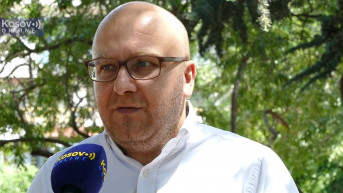
Analyst from Skopje, Blagojce Atanasovski, assesses that the unfortunate scenes at the European Football Championship show that the Western Balkans region, instead of building bridges of coexistence, still lives in the 90s and that this is a causal dependence and interweaving of political relations in the region.
"I don't think it is accidental, it is simply a causal dependence and interweaving of political relations in the region. These fan outbursts are an absolute continuation of the policies of the official authorities of the countries in the region. However, the heads of states do not speak in the way the fans chant. Fans in the stadiums speak openly and without diplomatic gloves," Atanasovski told Kosovo Online.
According to him, the way out of this problem is for politicians to build bridges between peoples and states.
"They should constantly have a rhetoric of reconciliation and the building of good neighborly relations to reach the lowest levels of society so that ordinary citizens on both sides of the border can build better neighborly relations. This requires a very long period," the analyst says.
Commenting on the incidents during the European Football Championship, Atanasovski believes they are an indicator that "fan passions" in the region have not yet calmed down.
"Unfortunately. The chants during the match between Albania and Croatia against Serbia, where we have chauvinism, ethnic radicalism, and the greatest outburst of nationalism, simply show that we still, unfortunately, live in the Balkans, and in 2024, things have not changed, not from 100 years ago, but from 30 years ago when the bloody Balkan wars occurred during the breakup of Yugoslavia. We also saw the reaction, at the very least, in poor taste, of an Albanian representative, with open curses towards Macedonia and Serbia. This is part of the Balkan mentality that we unfortunately still live with," Atanasovski says.
He assesses that all this is a consequence of hatred that has not ceased but has been passed on to younger generations, which is the burden of the "memory code" of the wars of the 90s.
"Young generations who did not live in those times simply inherited this generationally transmitted hatred through the stories of their parents. Unfortunately, this is a vortex from which we do not see a way out, and I cannot say whether we can hope for a better solution in the years and decades to come. The situation, unfortunately, in this regard in the Balkans is not only not improving but in some segments, we see deterioration," Atanasovski concludes.



0 comments