
Commemorative Academy in Gracanica on the Anniversary of the March Pogrom: Even two decades later, we feel the living wounds

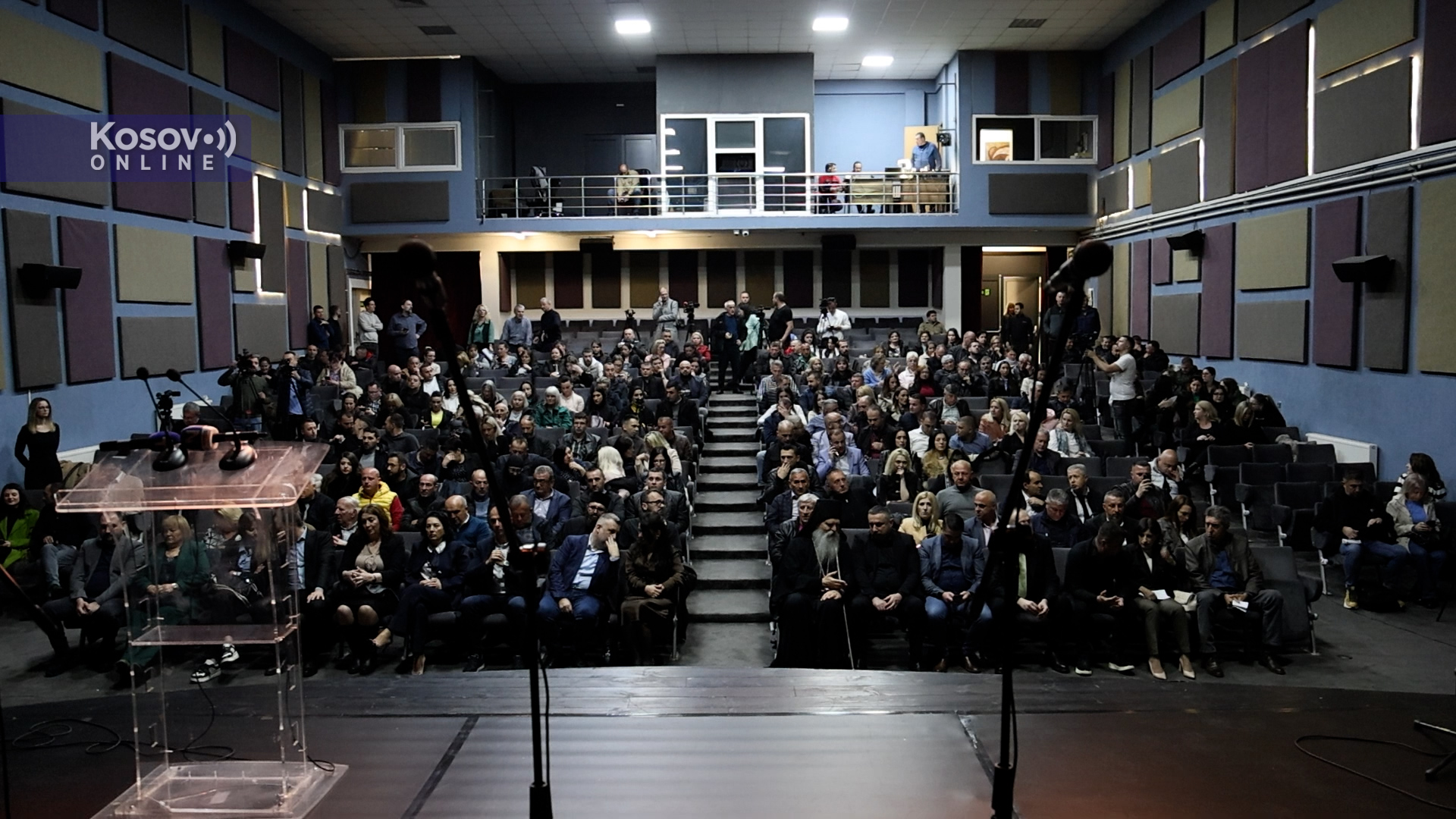
On the occasion of the 21st anniversary of the pogrom against Serbs in Kosovo, a commemorative academy was held at the Cultural Center in Gracanica, where it was emphasized that the Serbian people must not forget the innocent victims, nor allow others to rewrite their history.
The academy began with the national anthem, followed by a moment of silence for those who perished in North Macedonia.
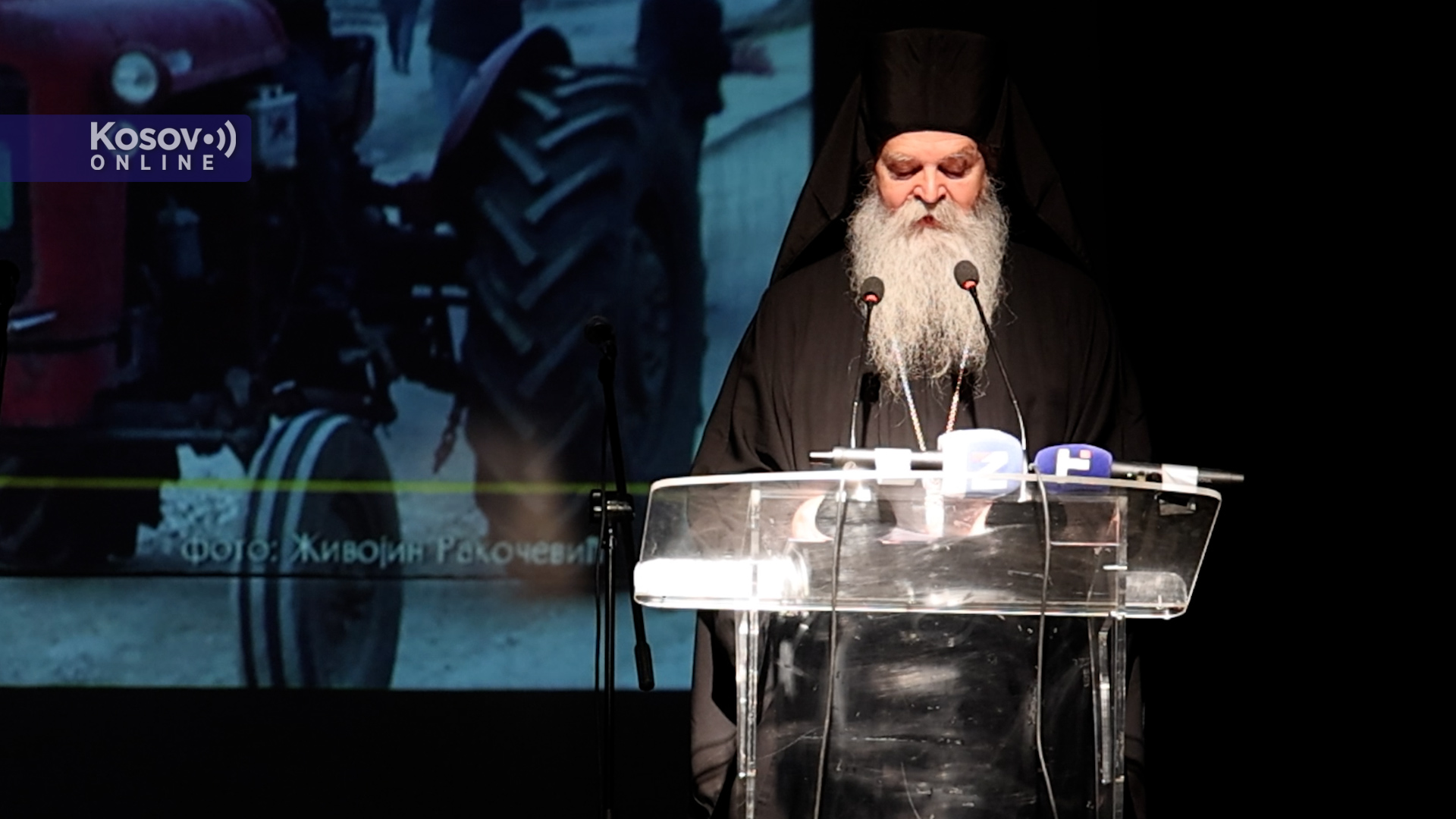
Metropolitan of Raska and Prizren, Teodosije, pointed out that the March pogrom destroyed and burned what generations had built for centuries.
"Even today, two decades later, we feel the living wounds that do not heal, and we still see the faces of our imprisoned and displaced people, betrayed by those who promised them peace and security. The March pogrom is not just one in a series of historical events we remember about the suffering and death of our people in Kosovo and Metohija; it represents a deep spiritual reminder of how we cannot rely on human justice, but also how eternal and unbreakable faith in Christ and His victory over evil is," said Teodosije.
The pogrom, he emphasized, became yet another bitter testimony of human injustice for the Orthodox Serbs in this region, but at the same time a testament to the greatness and strength of the spiritual effort that our people have withstood for centuries.
"Suffering is for our people not only a painful reality but also a call from God to grow even stronger in faith through that cross and to remain and persevere on this martyred land. Our temples and monasteries in Kosovo and Metohija are not only cultural and historical heritage; they are living and eternal witnesses to Christ's presence among us, where especially in recent times, more and more believers from various parts where our people live gather. Every stone embedded in them, every fresco and icon, every grave speaks of the life we lead. Those who wanted to destroy our sanctities and expel the faithful from this holy land have actually shown that they fear us precisely because of what we are," said Metropolitan Teodosije.
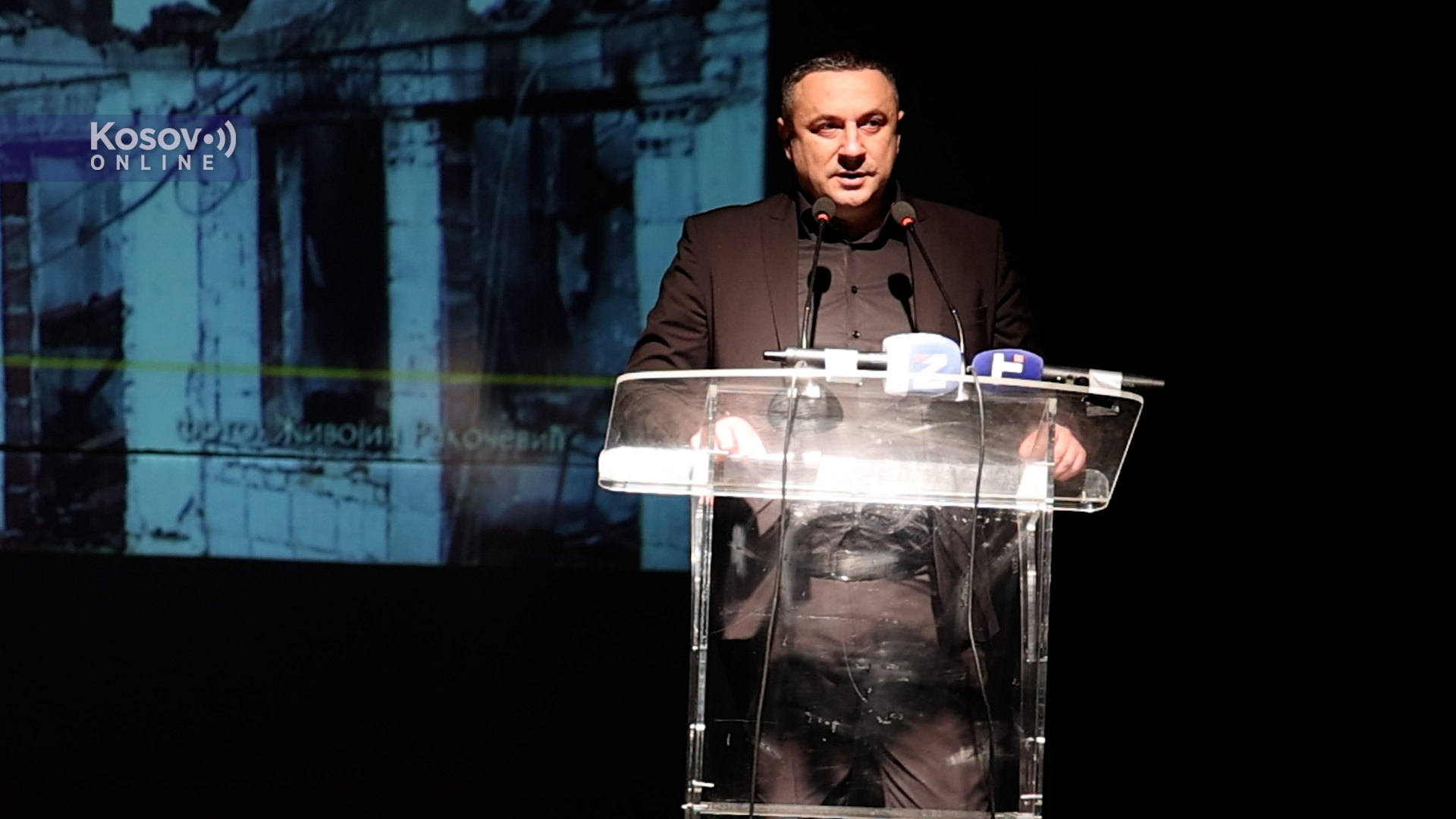
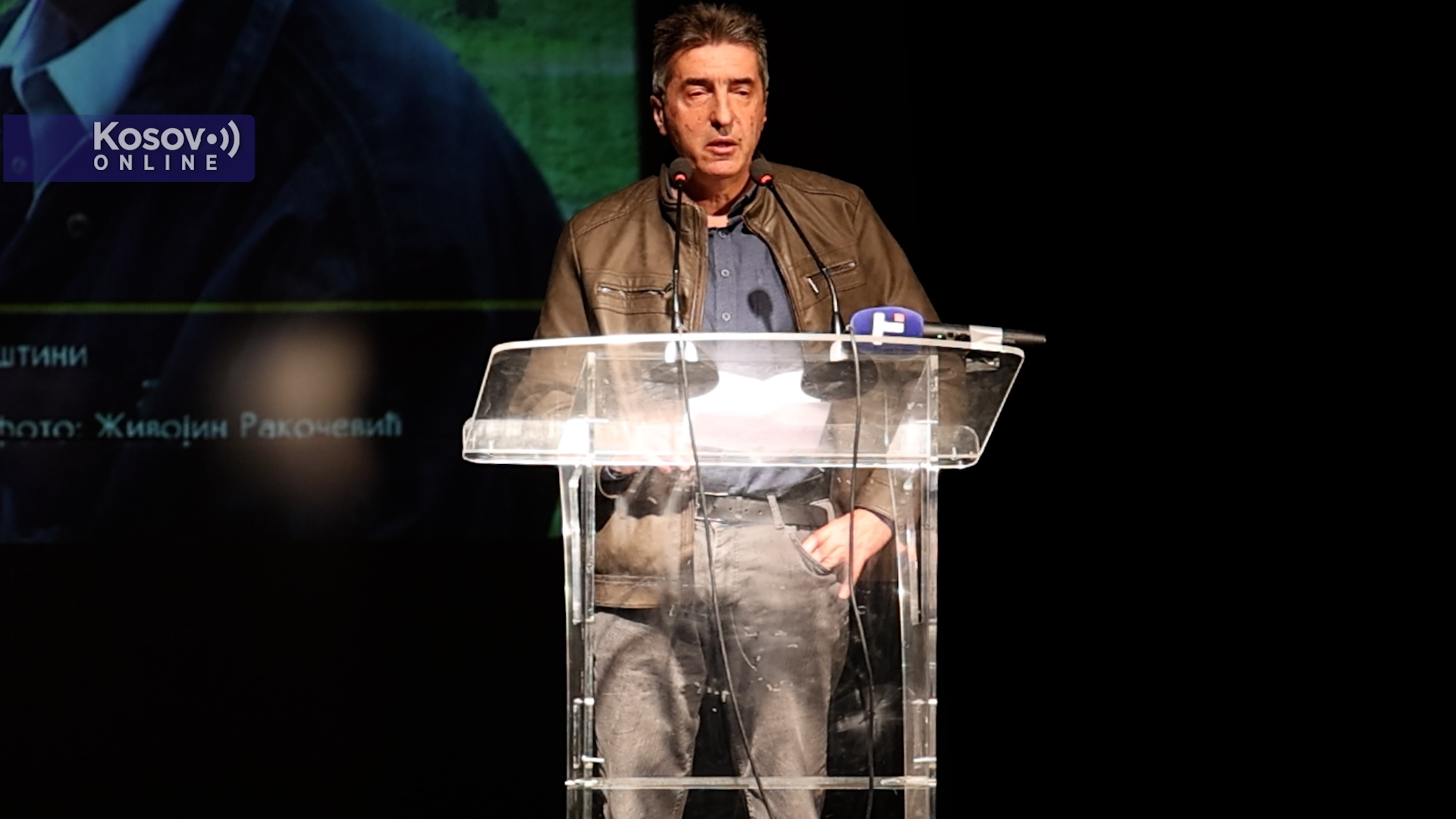
Dragan Spasojevic, whose father Borivoje was killed in Kosovska Mitrovica, emphasized that it is important to constantly speak about the madness that happened twenty-one years ago and then shared his testimony about the events of March 17.
"In the early hours, a group of several hundred Albanians crossed into the northern part of Mitrovica and began demolishing nearby shops, attacking people, and shooting. Very quickly, thanks to the bridge guards and people who were there, they fled in panic to the southern part of Kosovska Mitrovica. As a revolt to that and part of the scenario they had prepared for us, they soon began firing at the gathered citizens in Kolasinska Street. The automatic weapons that the people who were shooting, or rather the terrorists, had, arrived in an ambulance. Shortly after those bursts of fire, Jana Tucev, a pregnant woman at the time, was shot. She was on her terrace, minding her own business, and shortly after, she passed away. After that, whenever the bursts were heard, a sniper was stationed near the Three Soliters, and we had over 33 people wounded, including my father, who was shot in the heart by the sniper," said Spasojevic.
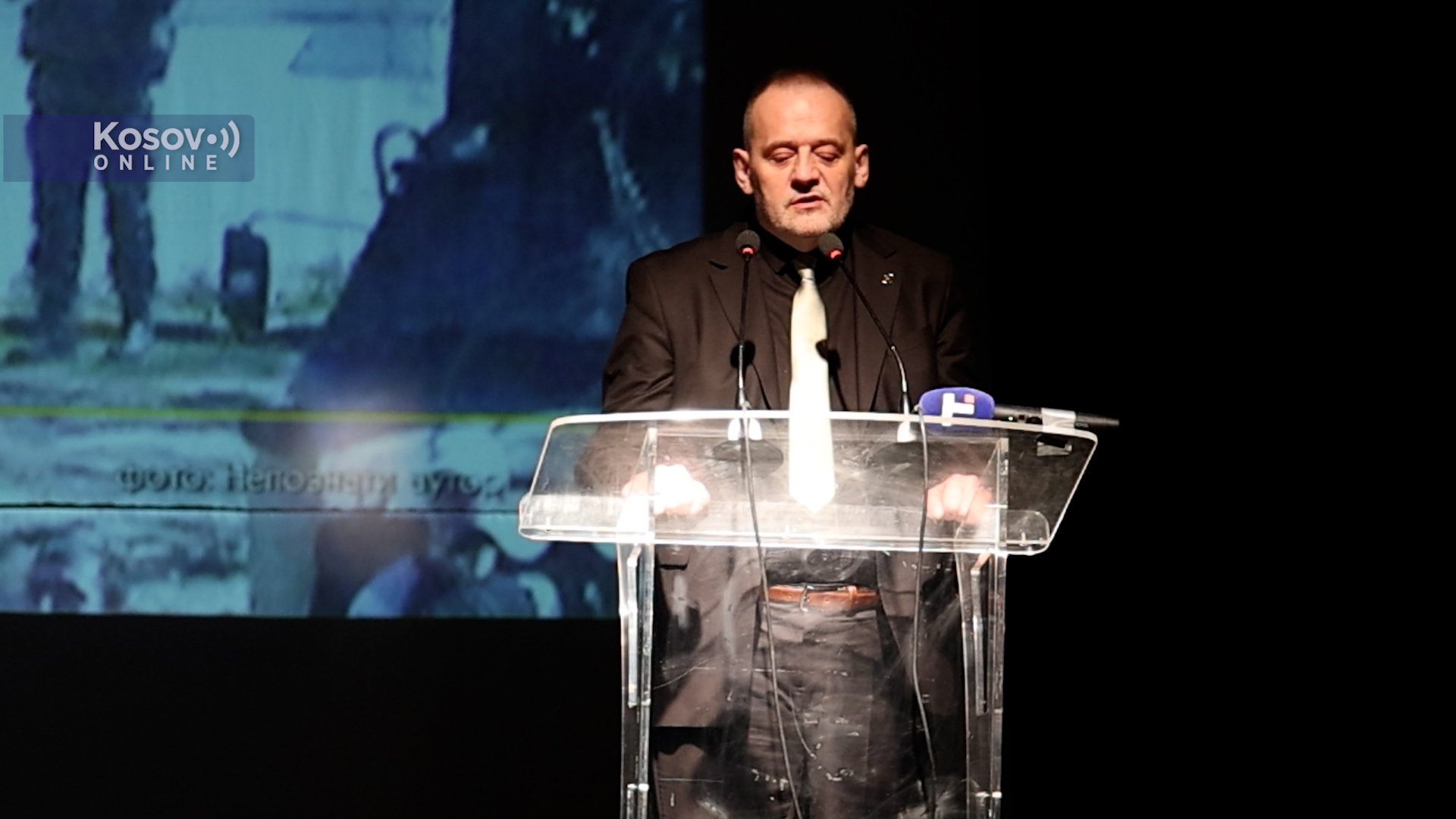
Dragan Cirkovic, who was in Kosovo Polje during the pogrom and whose house was burned down, pointed out that today is a difficult day for him and his family. He recalled that he was a young boy dreaming of better times.
"As a young man, I sat with my parents in the house, carefully following the situation around us. At 7:15 p.m., the power went out, and by 7:20 p.m., the water was gone. They turned off everything they could. I was trying to calm my parents, thinking that everything would pass, as I assumed the police would stop in front of our house and everything would be fine. They are there to protect us. However, contrary to that, a bomb fell, then another bomb, and our house started to burn. Since there was no water or electricity, I had a pot of milk with which I put out the fire at the door. After 15 minutes, I packed my parents and we went to the neighboring village. Half an hour later, I watched my house burn down. Unfortunately, I had neither the strength nor the possibility to say anything at that moment, but just let a tear fall, took a step toward my parents to calm them down, since they had lived and built on that land for 40 years. And all of that was gone in less than five minutes. My story will last as long as I am alive and as long as my family is alive. I ask you to pass this on to everyone so that no one ever experiences this," said Cirkovic.
Sladjana Denic, who was in Livadsko settlement in Kosovo Polje on March 17, said that she will never forget the smell of the burning.
"On that March 17, we had no idea that the next morning we would wake up without everything we had. The news was worrying, and from people from the neighboring village, we heard and understood everything clearly. Houses were burning, my husband and I exchanged a glance and silently understood that we had to leave. The Milic family took us into their home when we had nowhere to go. They were ready to share everything they had with us, and we will be forever grateful. The next morning, my husband and I stood in front of the ashes that used to be our home. Now, only black walls and embers remained; the house was smoldering, and for those who expelled us, even that was not enough. Later, they set it on fire again, destroying the last remnants of our family home. The children didn't understand what was happening, but they felt our fear. My son cried for his toys, while my daughter, through her tears, kept saying – 'Mom, I want to go home.' There was no home anymore, no belongings, no memories, except for the ones we carry within us. We spent several months in a friend's house, then decided to return to Kosovo Polje. We started our life together in my husband's parents' house. Later, we started building a new house on the site of the old one, and we lived in it until 2021 when we moved to Gracanica," said Denic.
The commemorative academy held in Gracanica on the 21st anniversary of the March pogrom on Kosovo was an emotional and powerful reminder of the tragic events that unfolded in 2004. The speeches, testimonials, and reflections from survivors emphasized the lasting impact of the violence and the resilience of the Serbian people in the face of such hardship.
Mitropolit Teodosije, the bishop of Rasko-Prizren, expressed that the March pogrom had destroyed not just physical structures but also a deep spiritual and cultural heritage that generations had built. He pointed to the scars of the pogrom that still haven't healed, emphasizing the strength of faith as a source of survival and resistance for the Serbian people.
Witnesses like Dragan Spasojevic and Dragan Cirkovic shared their personal experiences, detailing the brutal attacks, the destruction of homes, and the emotional toll of losing loved ones. Their stories illustrated the terror faced by many Serbs during the pogrom, highlighting both individual tragedies and the broader consequences of the violence.
Journalist Jovan Simic described the situation in Gnjilane, where he witnessed the killings of a Serbian professor and his mother, as well as the mass exodus of Serbian families. His account emphasized how the violence was methodically planned, with the international community and KFOR forces seemingly powerless or unwilling to intervene.
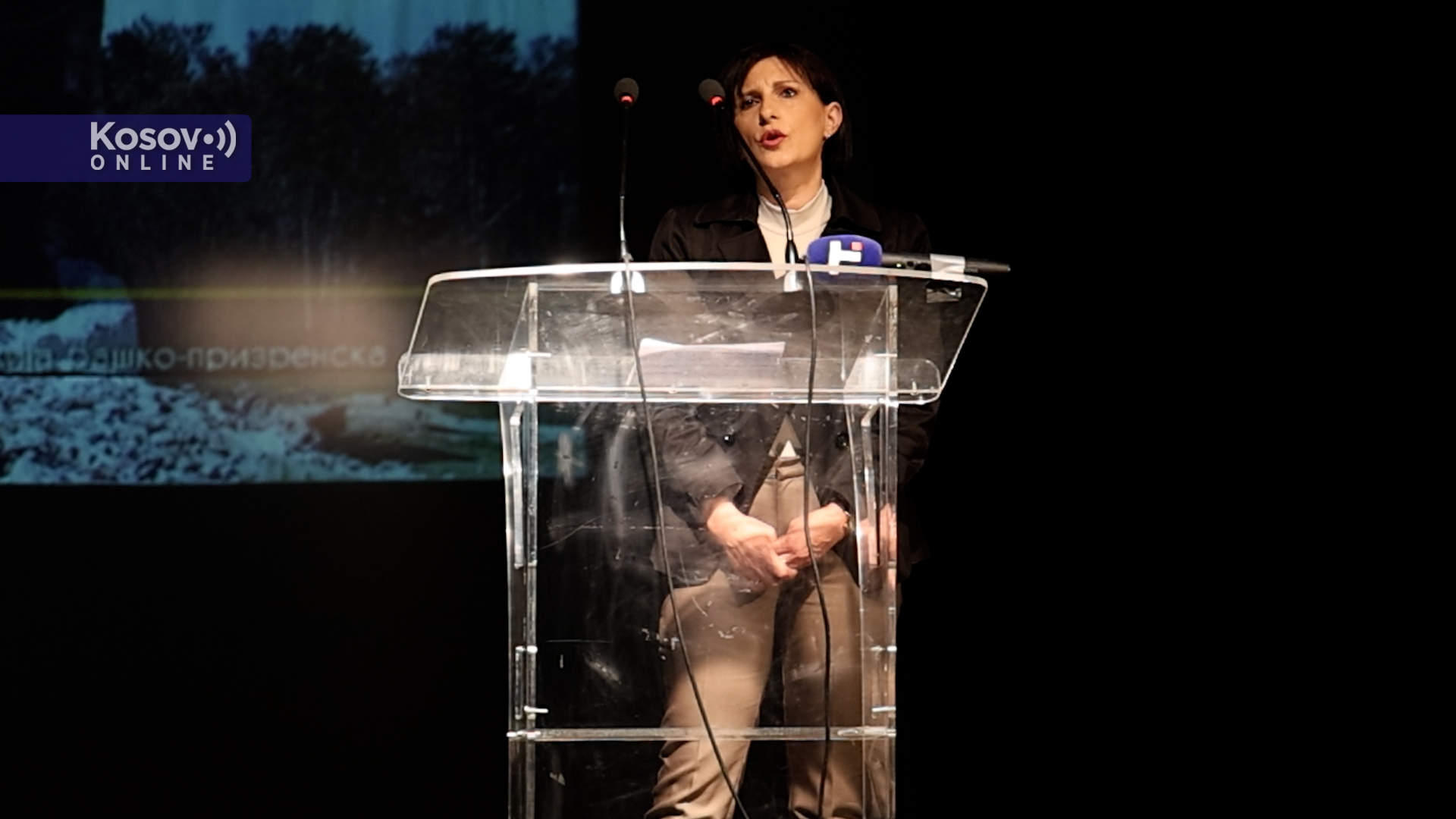
Milena Parlic from the Kosovo and Metohija Office stressed the importance of remembering the victims of the pogrom and the ongoing struggles faced by Serbs on Kosovo. She noted that despite the efforts to erase Serbian identity from the region, the resilience of the Serbian spirit remains unbroken.
Srdjan Popovic, the head of the Kosovo Administrative District, reflected on the ongoing suffering of the Serbian population. He recalled how, despite the initial expectations that the international community would protect the Serbian people after KFOR’s arrival, the violence only escalated. The situation in Kosovo remains dire, he said, with the violence now continuing through institutional means rather than outright attacks.
The commemoration underscored the need for remembrance, justice, and the unwavering will to preserve Serbian identity and heritage in Kosovo, despite the challenges posed by both external forces and internal divisions.
Srdjan Popovic’s comments reflect the ongoing challenges faced by the Serbian community in Kosovo, particularly in the northern regions. He emphasized that institutional violence, which seeks to integrate Serbs into the Kosovo system, continues with the aim of driving them away. He highlighted the resilience and determination of the Serbian people, especially in their commitment to preserving their identity and heritage in Kosovo and Metohija.
His call to safeguard sacred sites, educate younger generations about the significance of Kosovo, and maintain a strong presence in the region was a powerful reminder of the unbreakable bond between the Serbian people and their ancestral land.
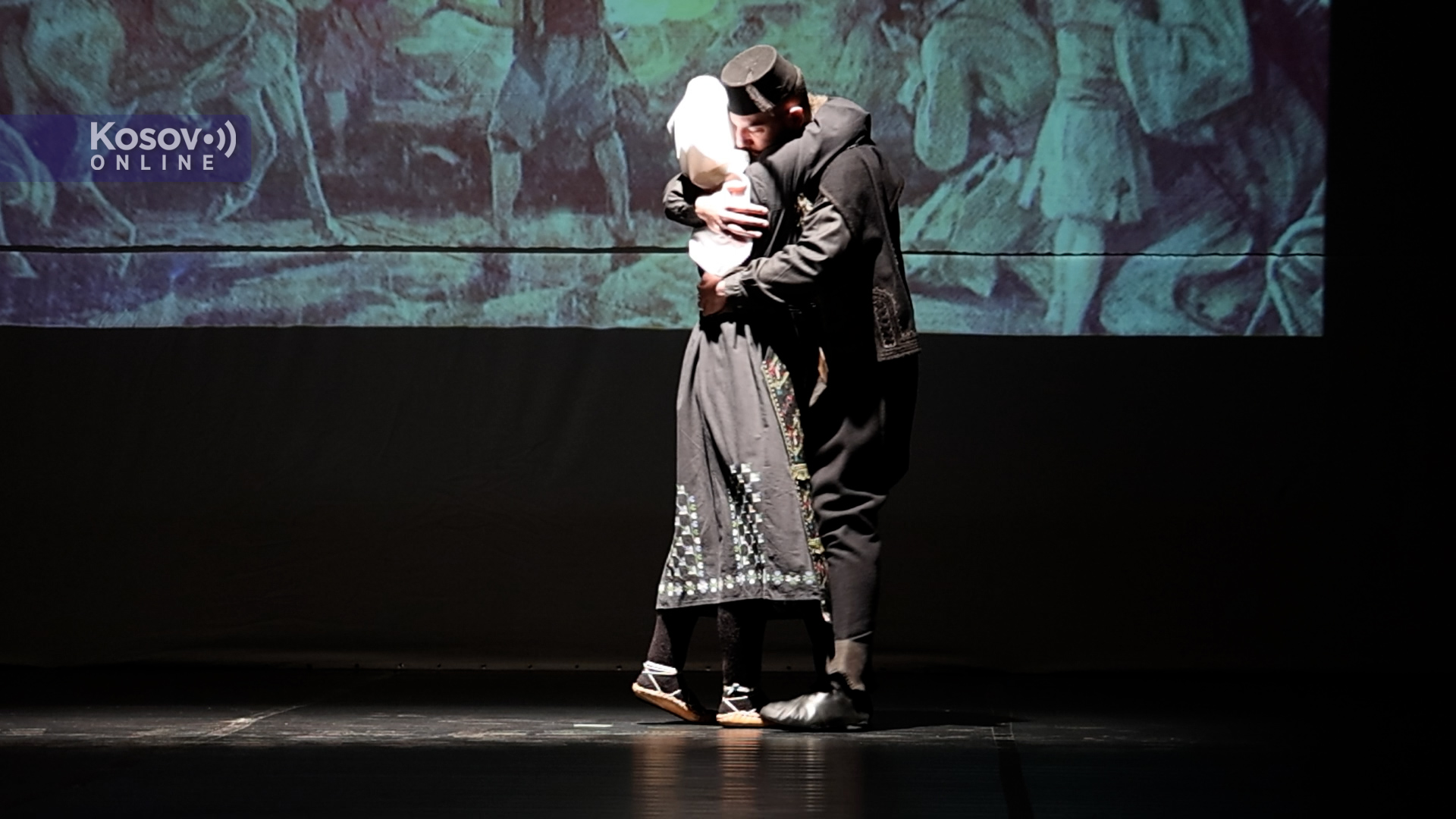
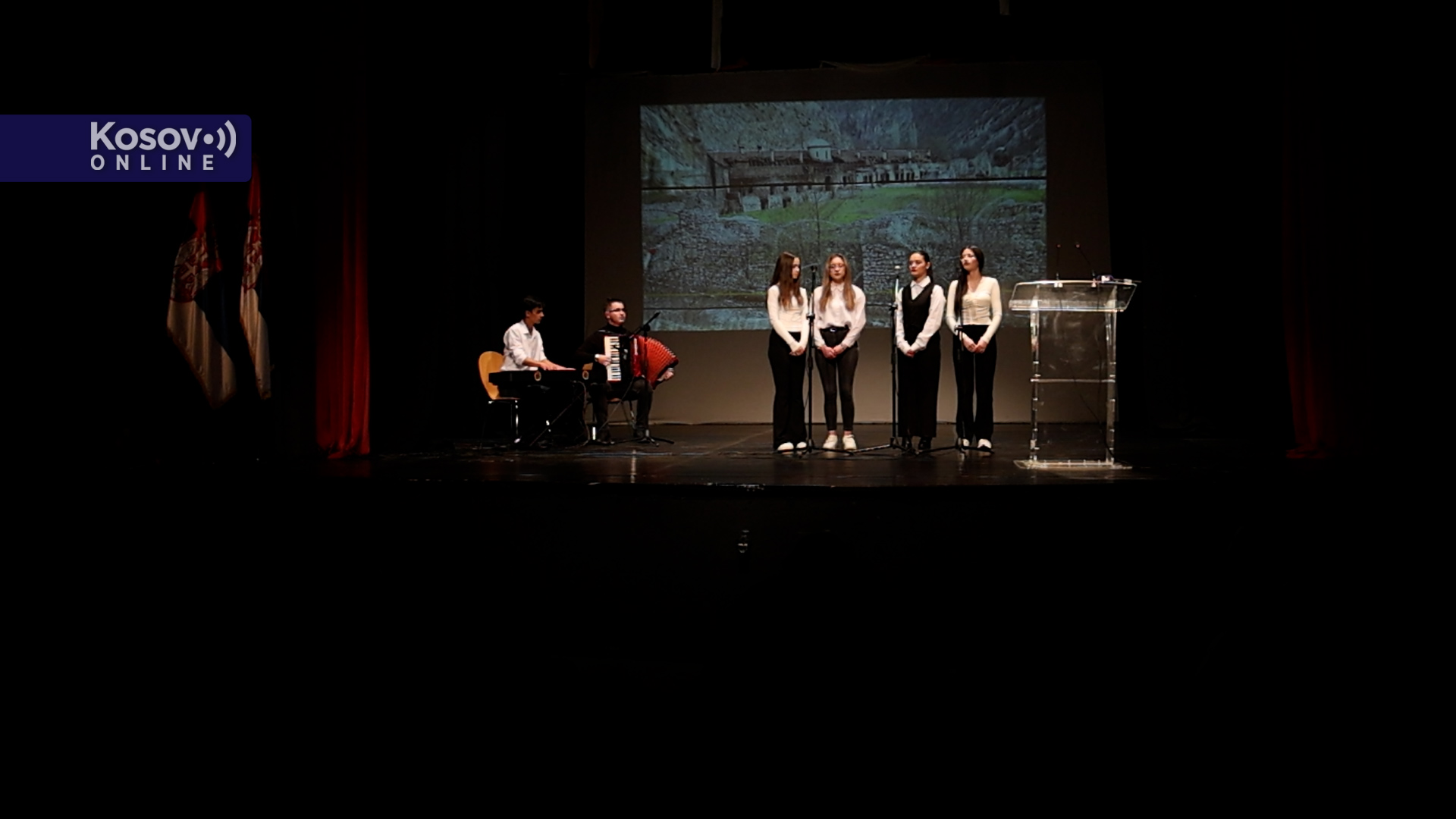
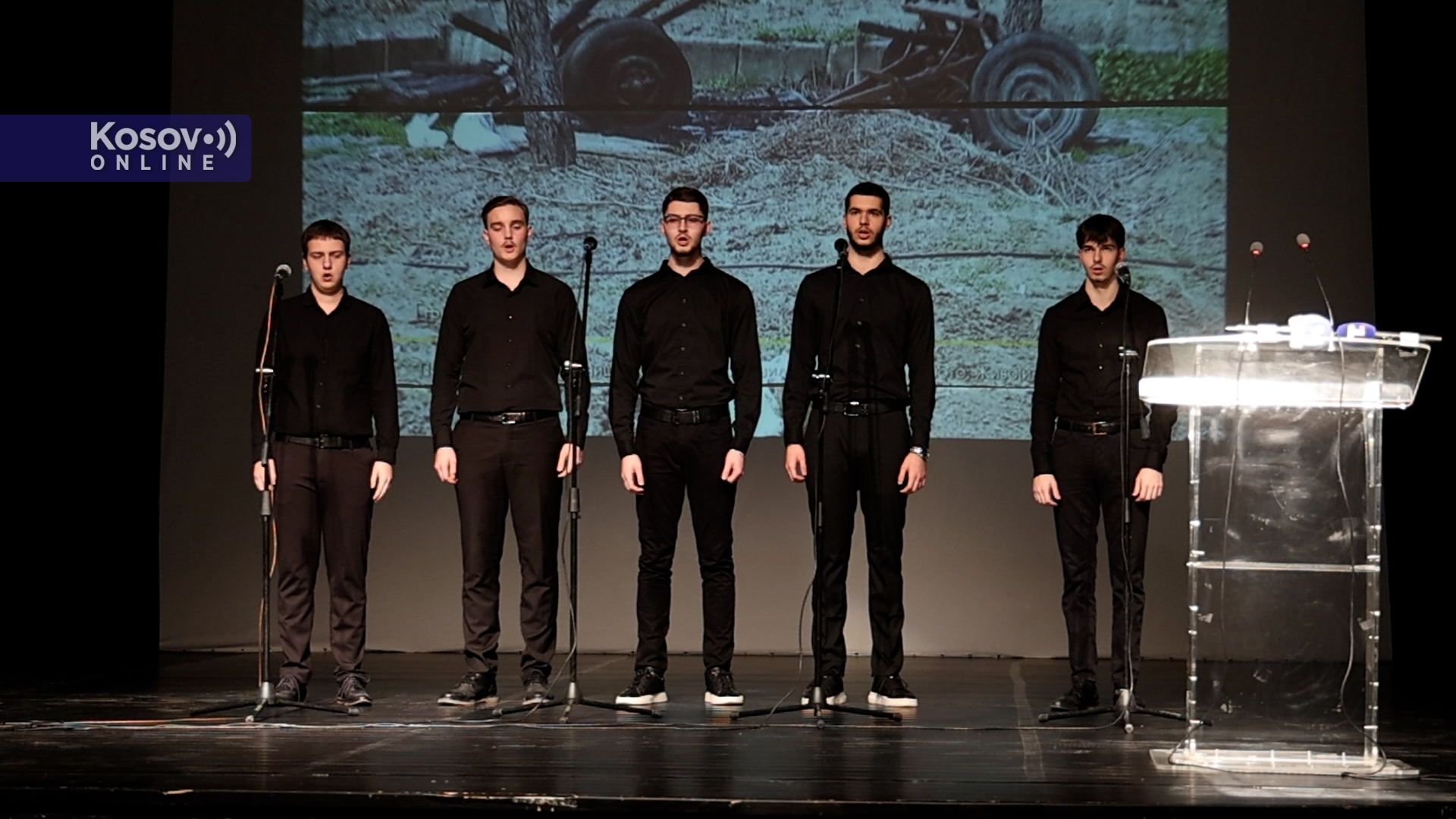
The commemorative events, including the cultural program and the parastos service at the Gracanica Monastery, underscored the importance of remembering the victims of the March pogrom.



The white roses placed in front of the "Missing" installation symbolized both mourning and the ongoing fight for justice and recognition of the suffering endured by Serbs during the pogrom. These actions are part of the broader effort to ensure that the memory of these tragic events is preserved and passed down to future generations.


0 comments