
Displaced Serbs marked the Feast of the Assumption in Djakovica: Our hearts and souls remained here

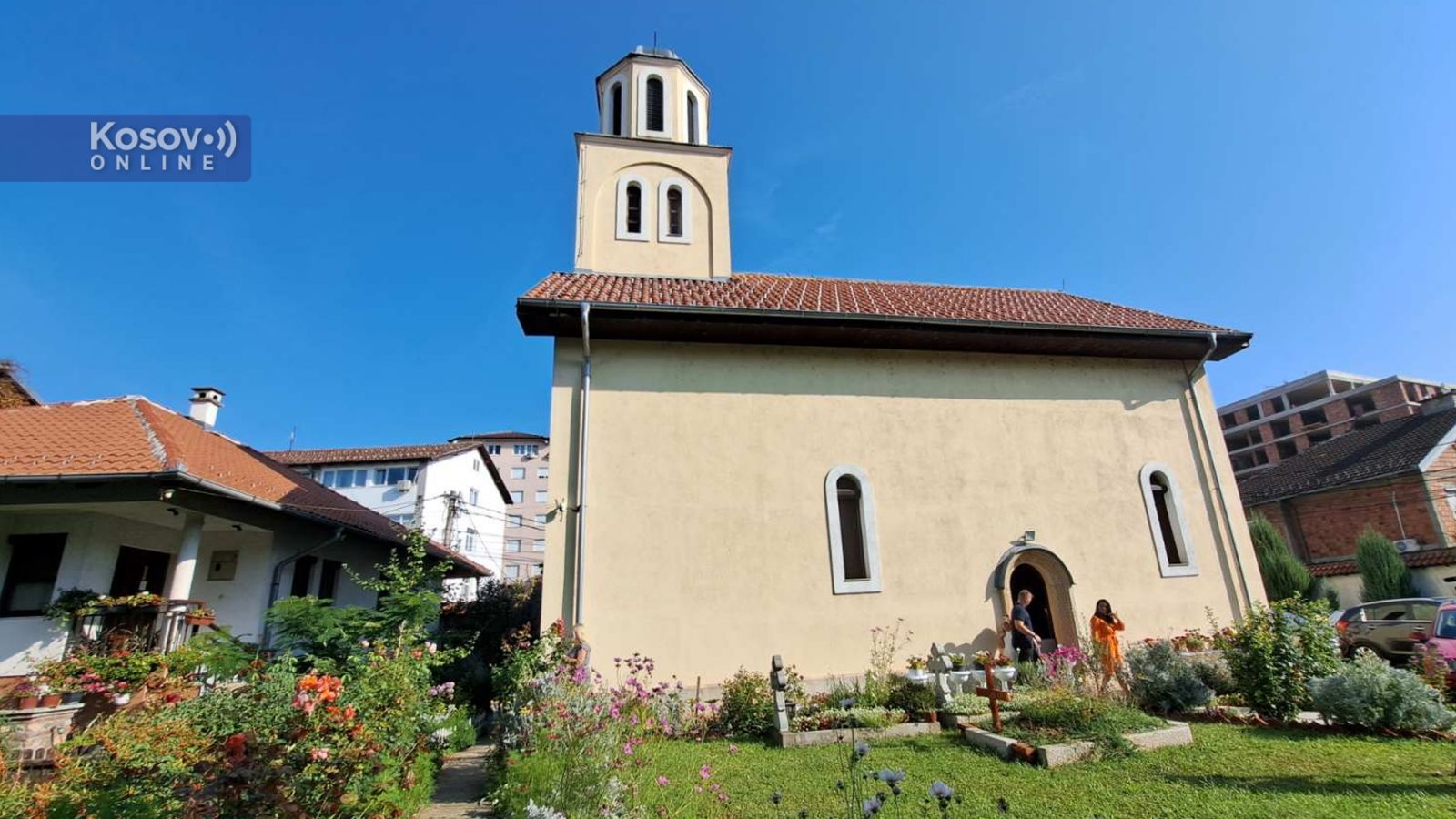
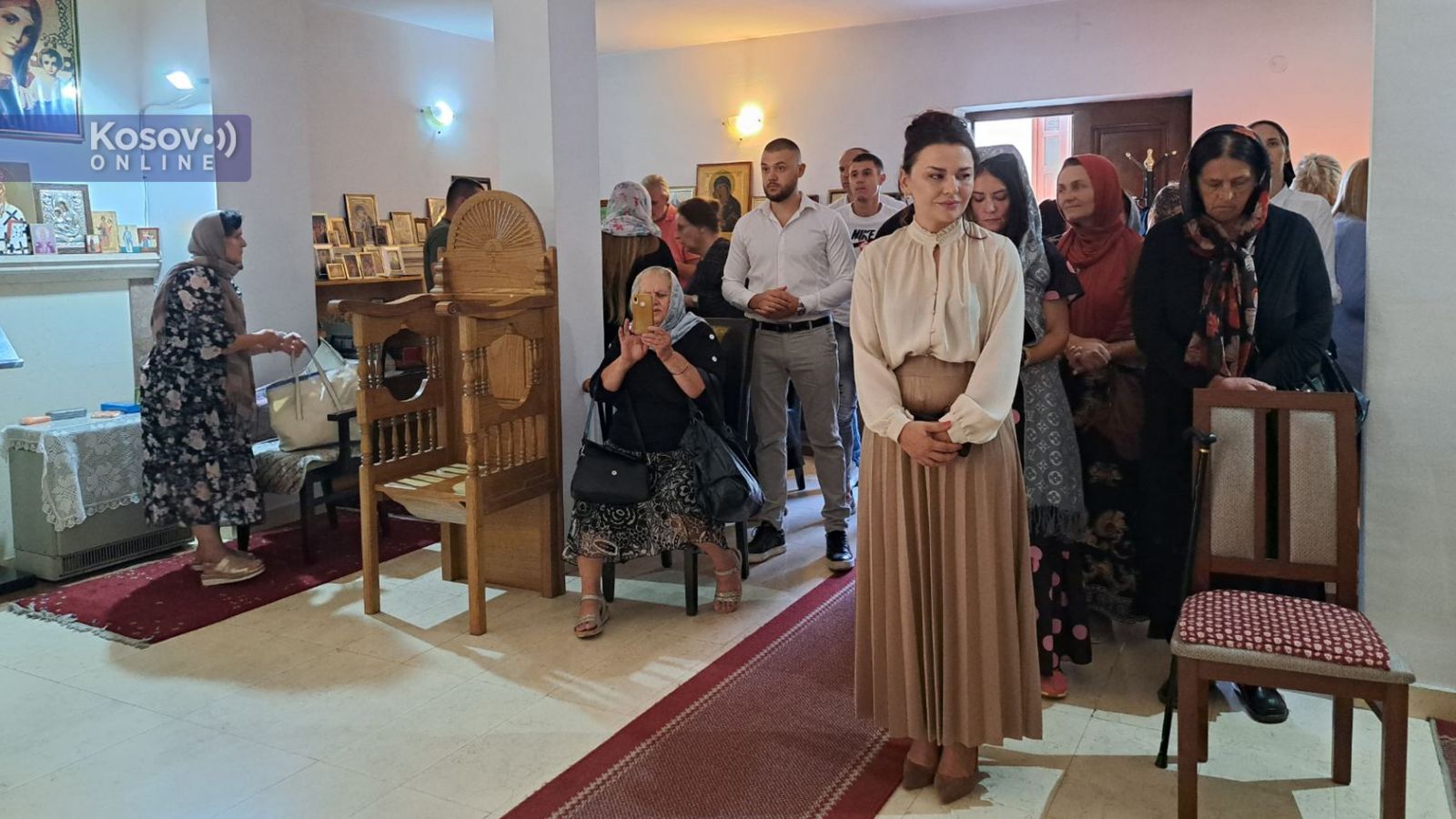
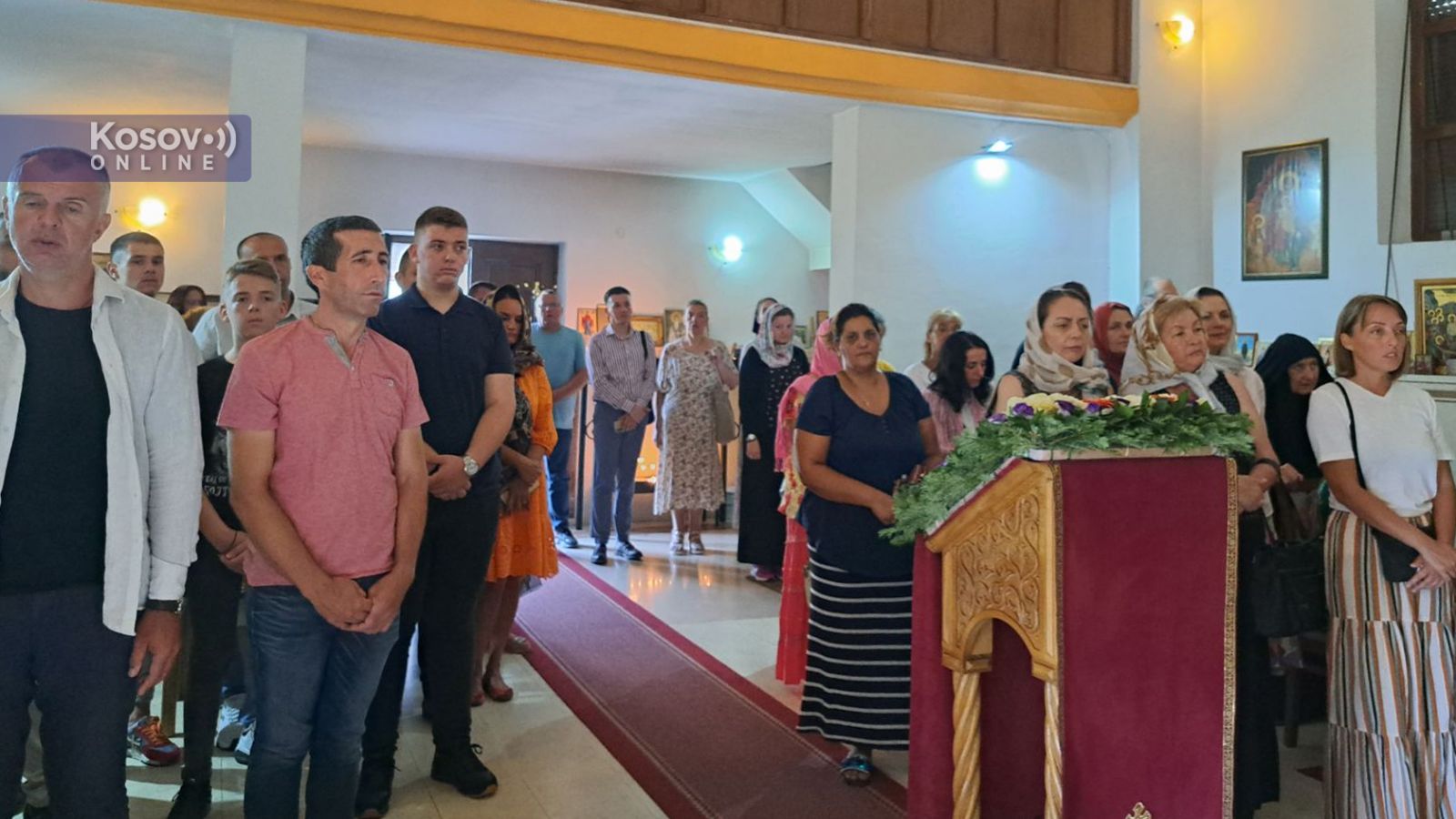
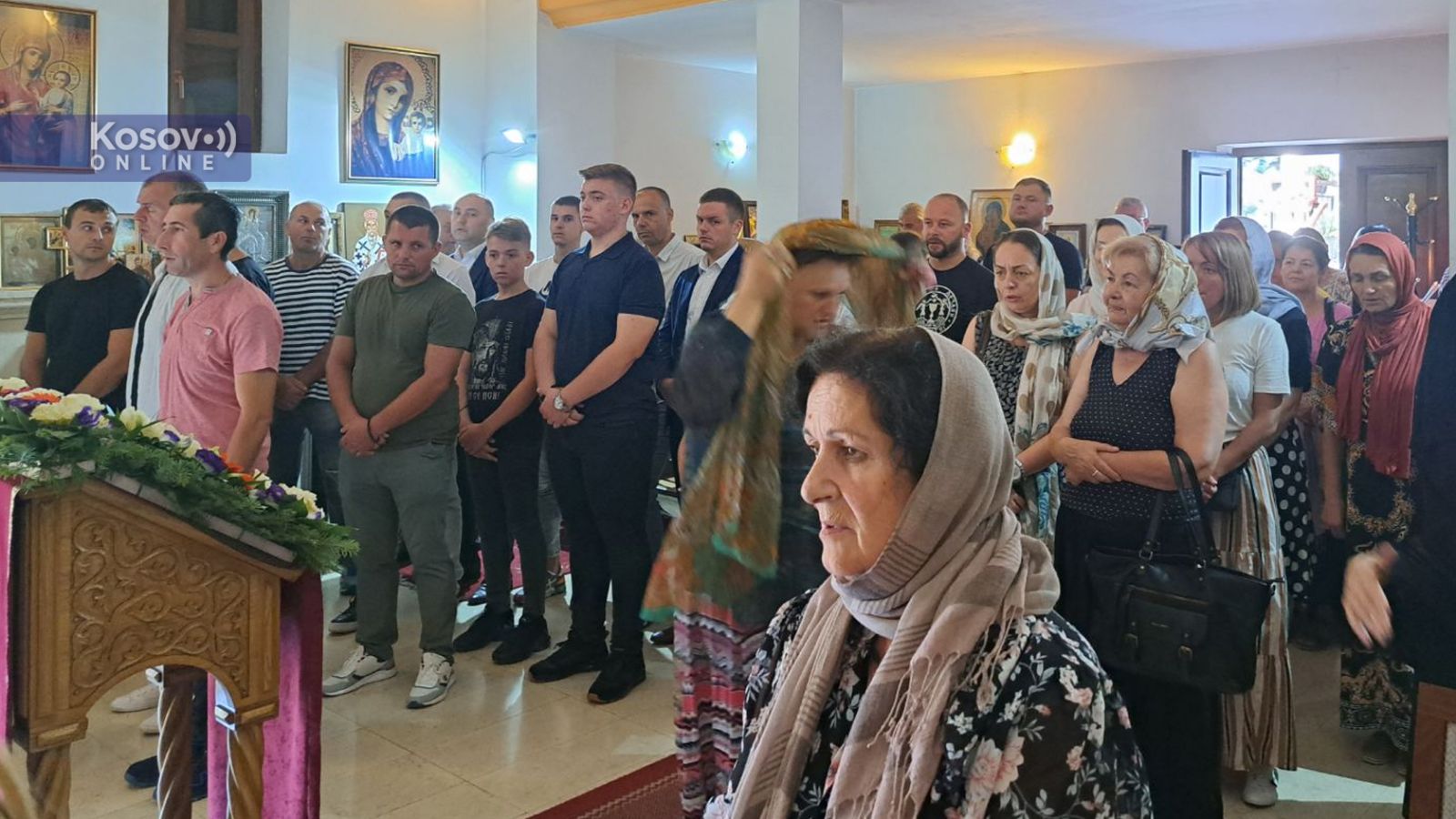
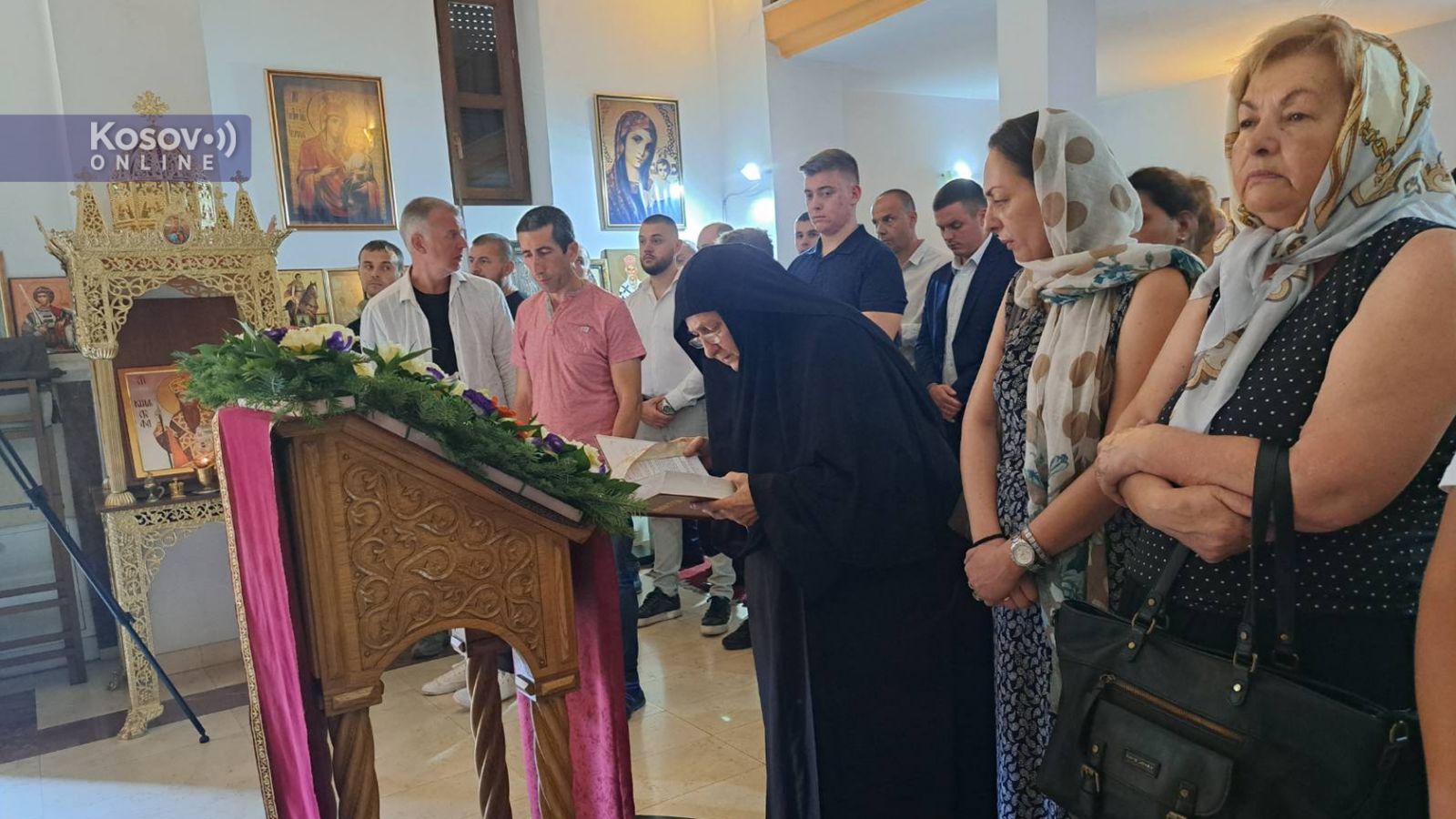
Serbs displaced from Djakovica attended the celebration of the patron saint day in the Church of the Assumption of the Most Holy Mother of God, emphasizing that even though they had been away from their homes for years, their hearts and souls remained in this town.
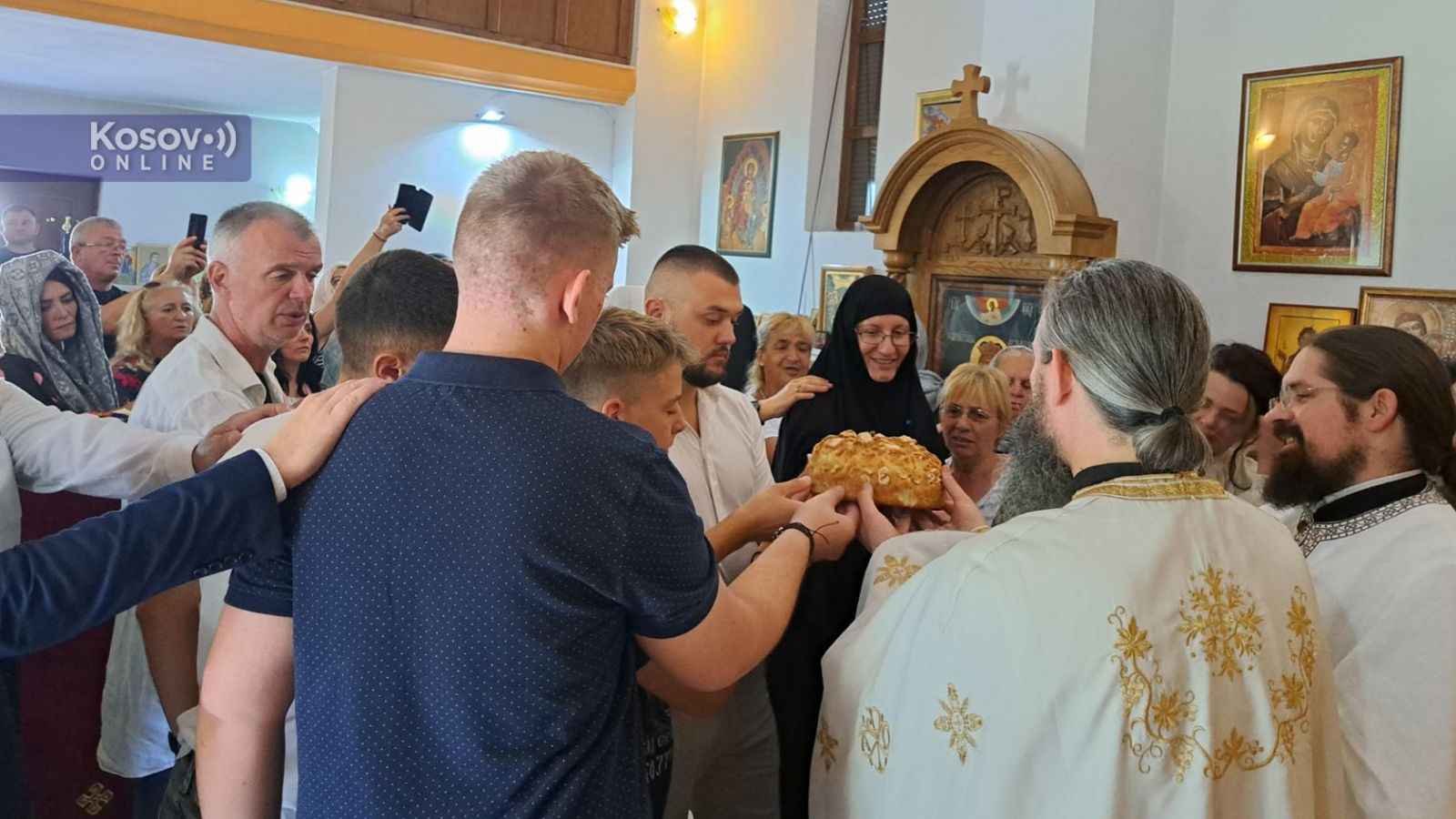
Around 50 believers, mostly displaced from Djakovica, came today to be in their town, at least for a brief moment, from which they were expelled in 1999.
Former resident of Djakovica, Snezana Kostic Savic, returned to her hometown for the first time after 24 years.
"It's very difficult for me. I didn't know how I would feel until I entered the church courtyard. I spent my childhood here; this was our second home. It's like being in another city, but this place means everything to me," Snezana, who now lives in Belgrade, said, adding that she didn't feel welcome in Djakovica.
Unlike Snezana, Petronela Tomic visits more often.
"That's my birthplace. I used to live in this street, along with Snezana. I don't know what to say; I find it very hard to bear. I lived in a street that doesn't exist anymore. I used to play here; it was nice. Now I live in Belgrade, but it's not the same. Our souls are here; our hearts are here; the graves of our loved ones are here. I come here thanks to the people who organize these visits," Tomic said tearfully.
Djakovica was once home to 12,500 Serbs. Currently, the Church of the Assumption of the Most Holy Mother of God is guarded by two nuns, while the only Serb in the town, Dragica Gasic, returned to her apartment two years ago.
According to Gasic, in her 54-square-meter apartment, she is accompanied by fear.
"Living here is not easy. It was a desire stronger than me. I couldn't be anywhere else. It's difficult to live here. You have no one to talk to; neighbors won't converse. They've tried to open my door, and they've climbed onto my terrace three times. I fall asleep and don't hear, but I see the flowers pulled out," Gasic said.
No one protects her in Djakovica. She hasn't had police protection since January, and sometimes KFOR and OSCE members come to check on her.
However, she doesn't plan to leave.
"I plan to stay. My life is here; there's nothing to look for elsewhere. I have no desire to return to central Serbia," Gasic said.
The liturgy in the Church of the Assumption of the Most Holy Mother of God was attended by Milena Parlic, Assistant Director of the Office for Kosovo and Metohija, from the sector for cooperation with the Serbian Orthodox Church and the preservation of cultural heritage. She stated that for her, it's a blessing to celebrate this holiday in Djakovica, "in the heart of Serbia."
"According to the Turkish census from 1485 in Jakov's Djakovica, after whom it was named, only two families were of unknown origin; the rest of the population consisted of honorable, noble, heroic Djakovica residents. Today, Djakovica is a city without Serbs, prohibited to those who built and developed it. But what I want to convey to our people from Djakovica is that the graves of their ancestors are the source of their centuries-long existence, and this present liturgy is the source of our continuance. When the last Serb left Djakovica, our nuns returned to kindle and maintain the fire of faith on the hearth of this temple. Surrounded by walls, they won't let the walls encircle their love for people and God," Parlic said.
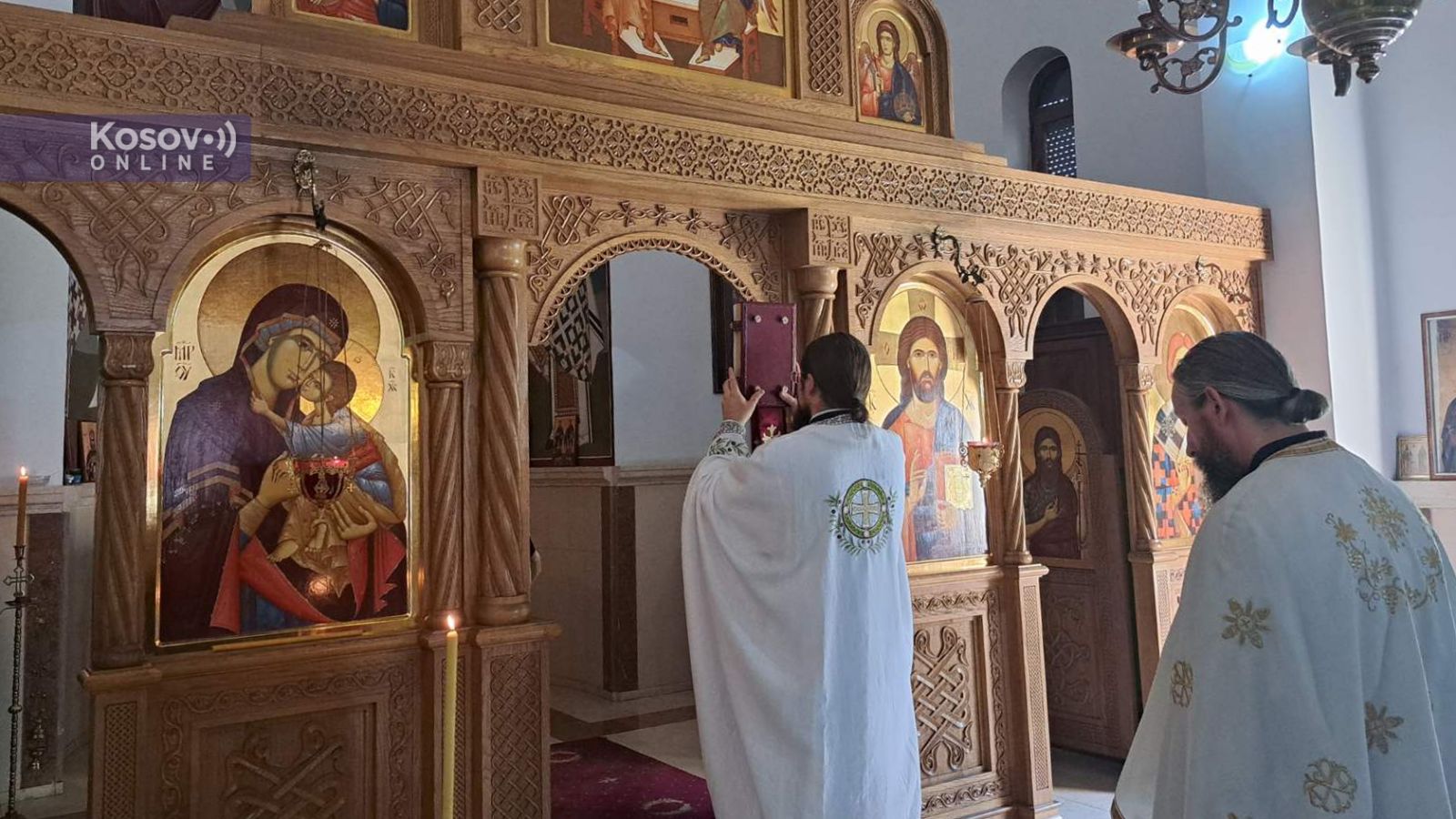
The liturgy was served by Father Petar from Visoki Decani and Hieromonk Isidor, Deputy Rector of the Prizren Theological Seminary.
"What's more beautiful, sincere, and evident than to say here in Djakovica that we celebrate life, only life. The testament to this is this holy sisterhood, these sisters, who strive here, who sanctify this place—not just the church courtyard, but the entire town—with their prayer, effort, asceticism, and consecration, invoking grace, mercy, and peace from God for everyone living here, whoever they may be," Hieromonk Isidor said in his sermon.
Assumption Day was also celebrated today with the participation of several hundred believers in Gracanica.


0 comments