
The Djukic family faces losing their home at Gazivode: We have a final court decision, yet they are telling us to demolish our house
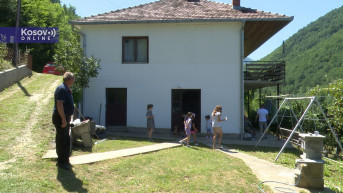
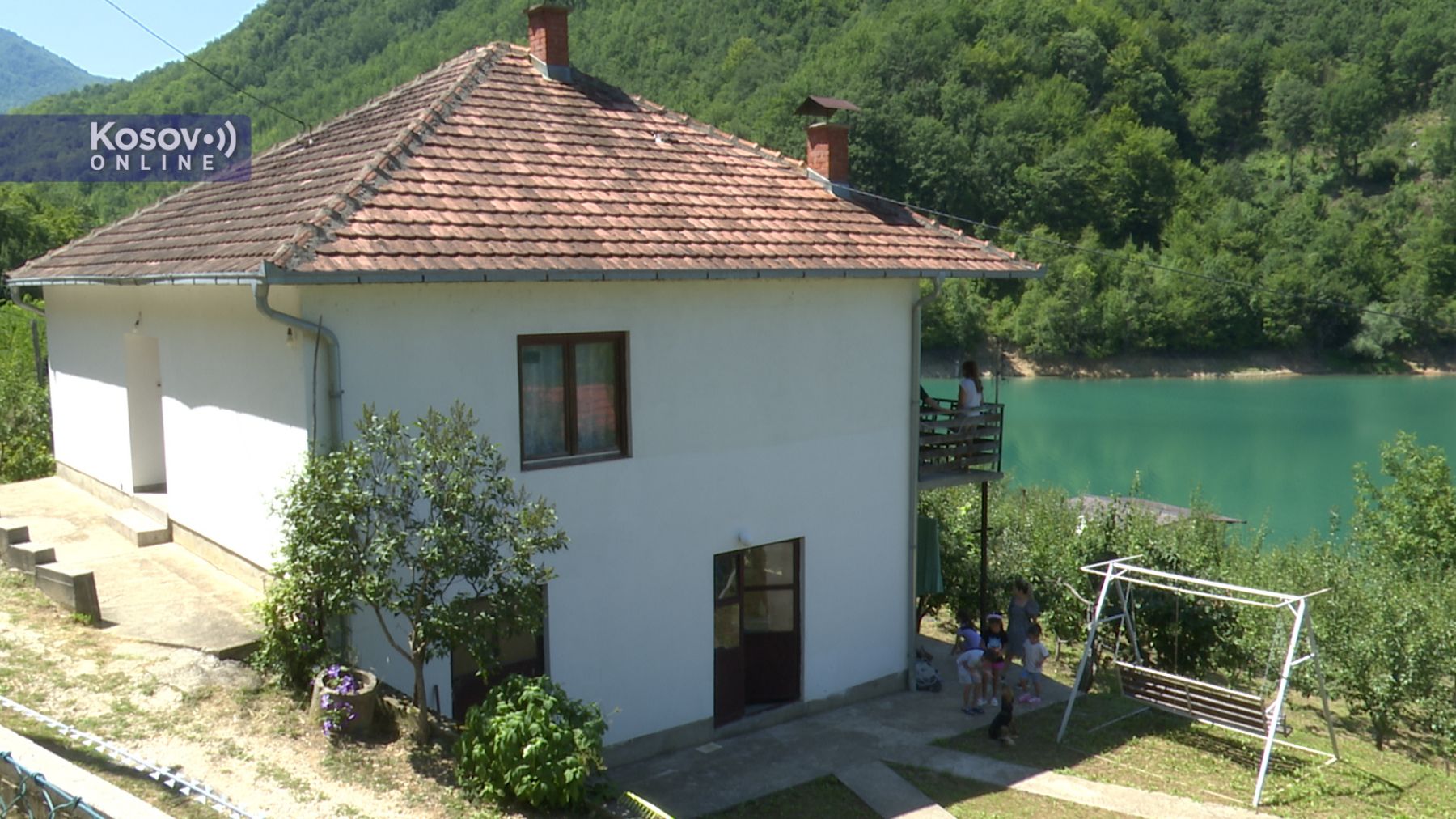
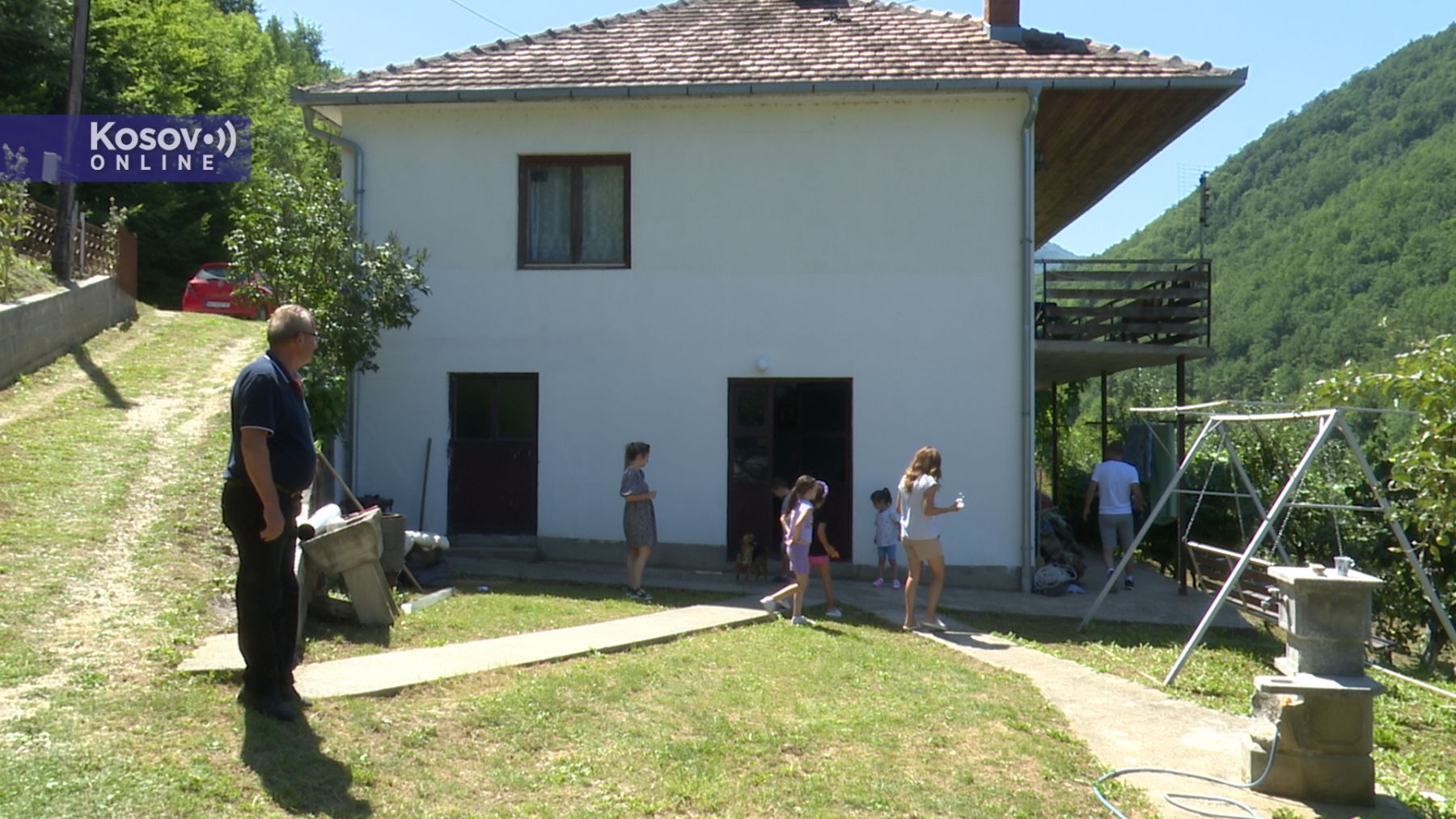
The Djukic family from Kovace near Zubin Potok is preparing these days to celebrate St. Petka of Trnovo, their family's lesser patron saint's day, which they will mark, as they do every year, on August 8 in the ground floor of their family home on the shore of Lake Gazivode. This year, however, the preparations are overshadowed by uncertainty, as their home could be demolished as early as August 18 at the request of the Ibar-Lepenac company.
Three days ago, on August 3, just like dozens of other families who own houses or holiday homes along Lake Gazivode, the Djukic family received a notice from Ibar-Lepenac requesting what it described as the vacating of unlawfully occupied property. Employees of the company arrived while the family was preparing for its patron saint's day celebration.
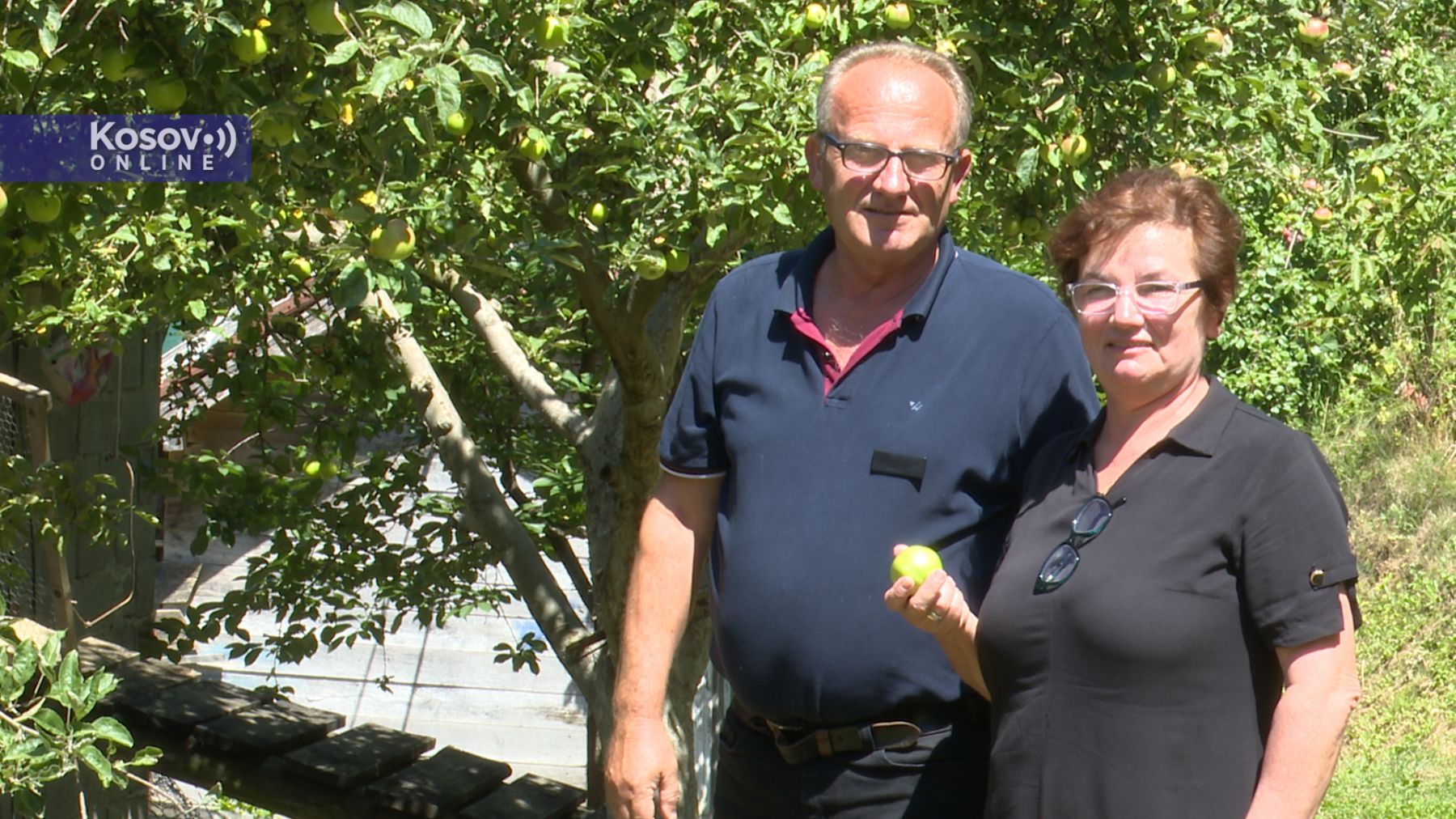
In the home where children and grandchildren gather every year, Dragan Djukic welcomed a Kosovo Online news crew. This time, he admits, besides the joy of the family reunion, there is also the fear that it could be the last celebration in this place.
“My great-grandfather lived here, then my grandfather, then my father, and now I am the heir. Everything was one-to-one, parcel by parcel. It all began with the expropriation in 1973,” he said, recalling events from nearly half a century ago, when his family was first forced to leave its home.
His parents, four sisters, and he were relocated in 1978 to temporary barracks in Gazivode within just two days.
“They relocated us in bad weather, in November. We were just children, me and my four sisters. My parents and all of us lived there for seven or eight years. My mother and father could not stay there permanently. We had no land, we had nothing, we were living in barracks, so they decided to return here to what was ours. However, all we had left were forests and meadows. We had no arable land, only this plot, which had been farmland. From 1991 we began requesting that this plot be returned to us, and that process lasted until 1997. Then we finally received the final legally binding decision. I have all the documents to prove it. Nothing is hidden. To this day, everything is still registered in my father's name, although he passed away last year. I transferred the other plots into my own name, but when it came time to transfer this one, I had no idea what Ibar-Lepenac had done with it,” Djukic explained.
It was only after his father's death last year, while trying to transfer all the property into his own name, that he encountered a new problem. In the Kosovo cadastral records, he noticed that the plot number on which the house stands had been marked in red, indicating that it was the subject of a dispute.
“I asked since when, and they said that in 2018 they marked the plot with a red marker. I made inquiries. I took this final legally binding decision to a notary, and he told me he could not resolve it without a lawyer. Then came the day when Ibar-Lepenac delivered the demolition order. They gave me 15 days before the house would be demolished. Either I demolish it myself or they will. It even says in the note that they will charge me for the demolition if I do not restore the site to its original condition. Given that I have all the documents, every single one, it has become completely impossible and incomprehensible to me. We have no one to turn to,” Djukic said.
After receiving the demolition notice from Ibar-Lepenac, he sought help from the Municipality of Zubin Potok. He met with Mayor Milos Perovic, who, he says, promised legal assistance in court proceedings against the company.
“I was at the mayor's office yesterday, and he listened to me. He said we should file a lawsuit and see what happens. Whether anything can be achieved within these 15 days to stop them from demolishing my house, I don't know,” Djukic said with concern.
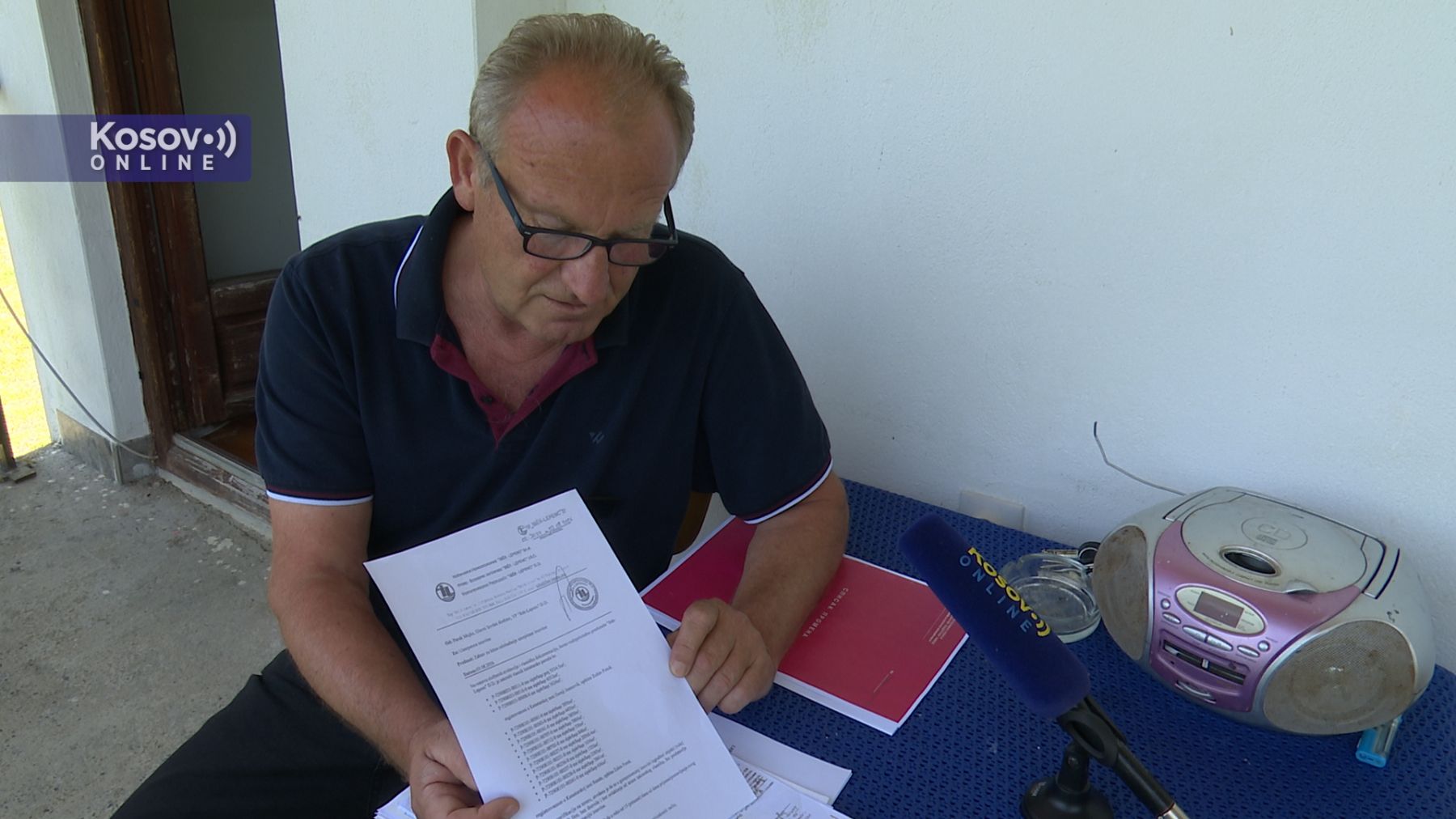
As time continues to run out, he places his greatest hope in the folder of documents he rarely lets out of his hands. He believes the documents he has preserved for decades will confirm what, as he says, everyone in the area already knows, that the house was built on land belonging to his family.
“Here is the 1997 decision, the final legally binding one. I also have the decision confirming it was entered into the cadastre, and the cadastral records showing everything was registered and certified. I honestly no longer understand what additional documentation I am supposed to submit or to whom,” he said.
The house, he added, was not built overnight. It was constructed over many years, the way houses used to be built, slowly, with whatever could be earned and saved. The Djukic family believed it would remain with future generations, not that they would be forced to leave their home for the second time in their lives.
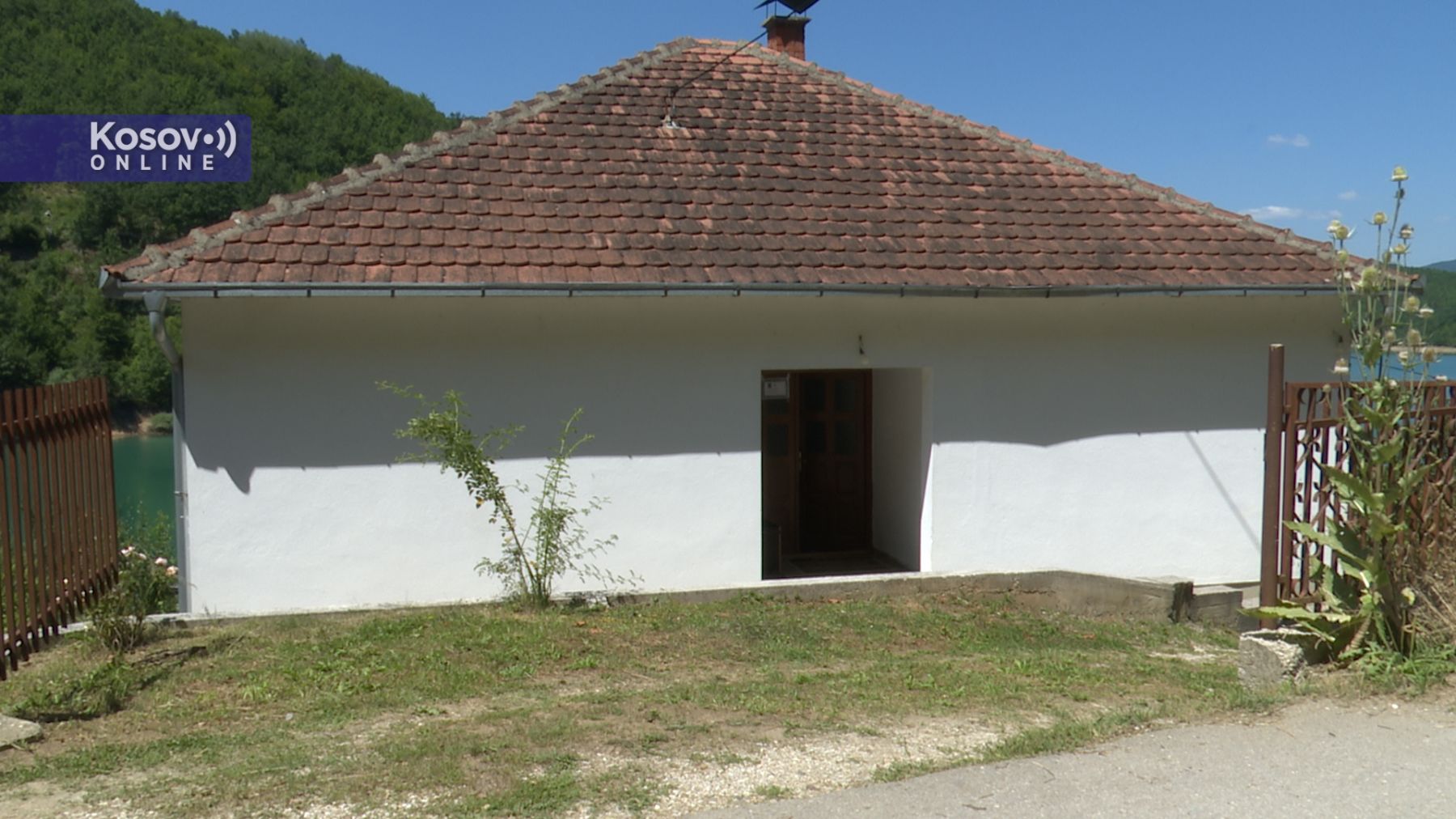
“My mother and father lived here. We first built the barn in 1988. It stood with only the concrete slab for ten years, and later, after they returned, we built little by little. Back then houses were not built in a year or a month like they are today. You gathered timber, sold livestock, and built according to what you could afford,” he recalled.
In the meantime, a notary within the Kosovo system transferred all of his property into his name except for the lakeside plot on which the house stands. It is precisely this plot that Ibar-Lepenac claims belongs to the company.
“The notice was delivered to us personally the day before yesterday by their employees. There were five of them, and one spoke Serbian. He said, 'Our job is only to deliver it to you or stick it on your door.' I have nothing more to say. We will see. If there is justice, it should not be demolished. And if they do demolish it, what can we do? As long as we are alive and healthy and the family is well,” Djukic said.
He places little hope in legal proceedings before Kosovo's courts. He says his neighbors also tried to protect themselves in the same way, but without success. As an example, he cited the "Jezero" motel, which was demolished despite a lawsuit having been filed.
“Very few people around the lake have documents like these. If anyone else in the Gornji Jasenovik cadastral area, where we are registered, had them, it would be recorded here. Some people up the road transferred property from neighbor to neighbor, and I have all of that documentation as well. It is just like giving someone your ID card. Everything is complete,” Djukic said.
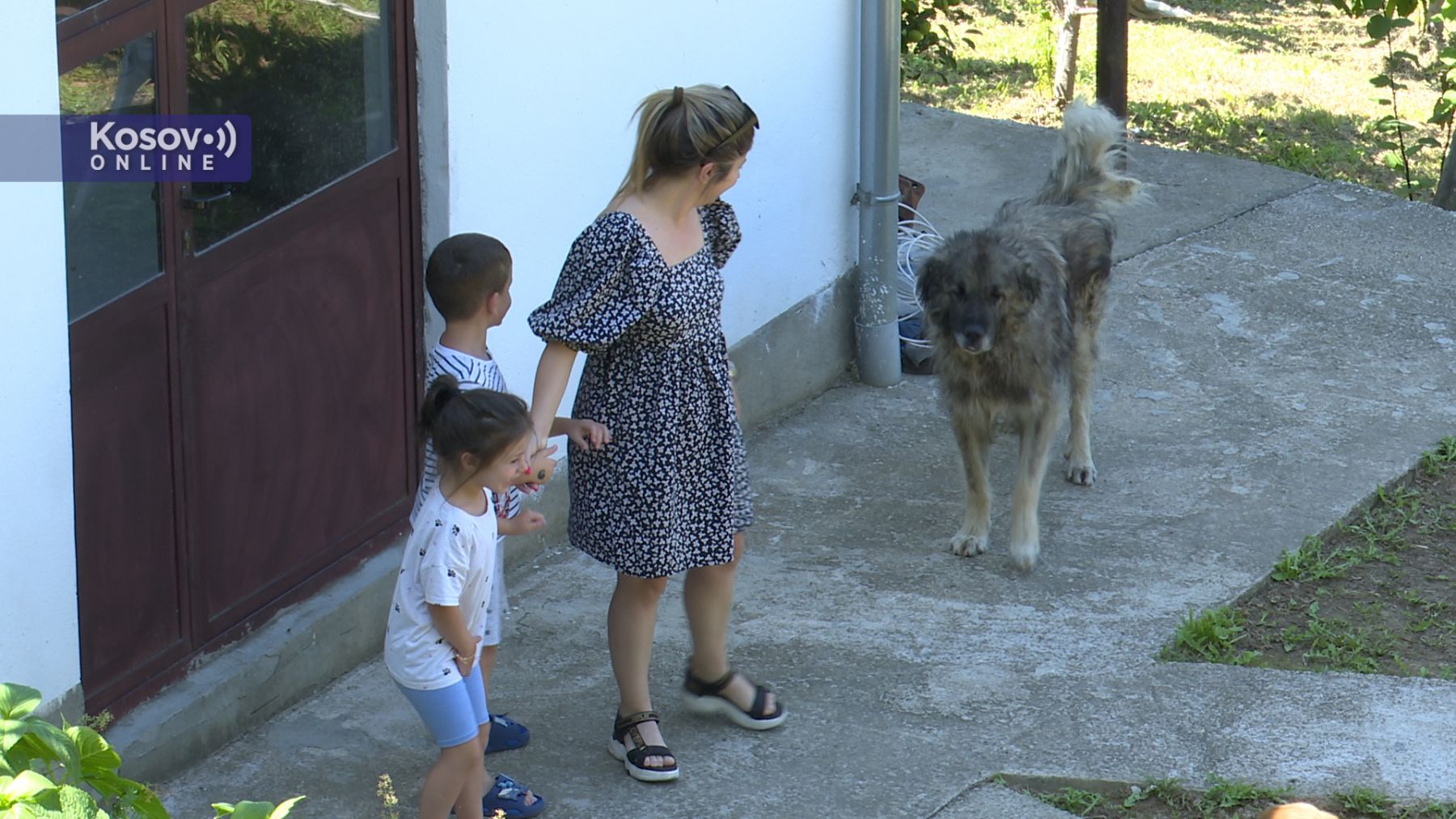
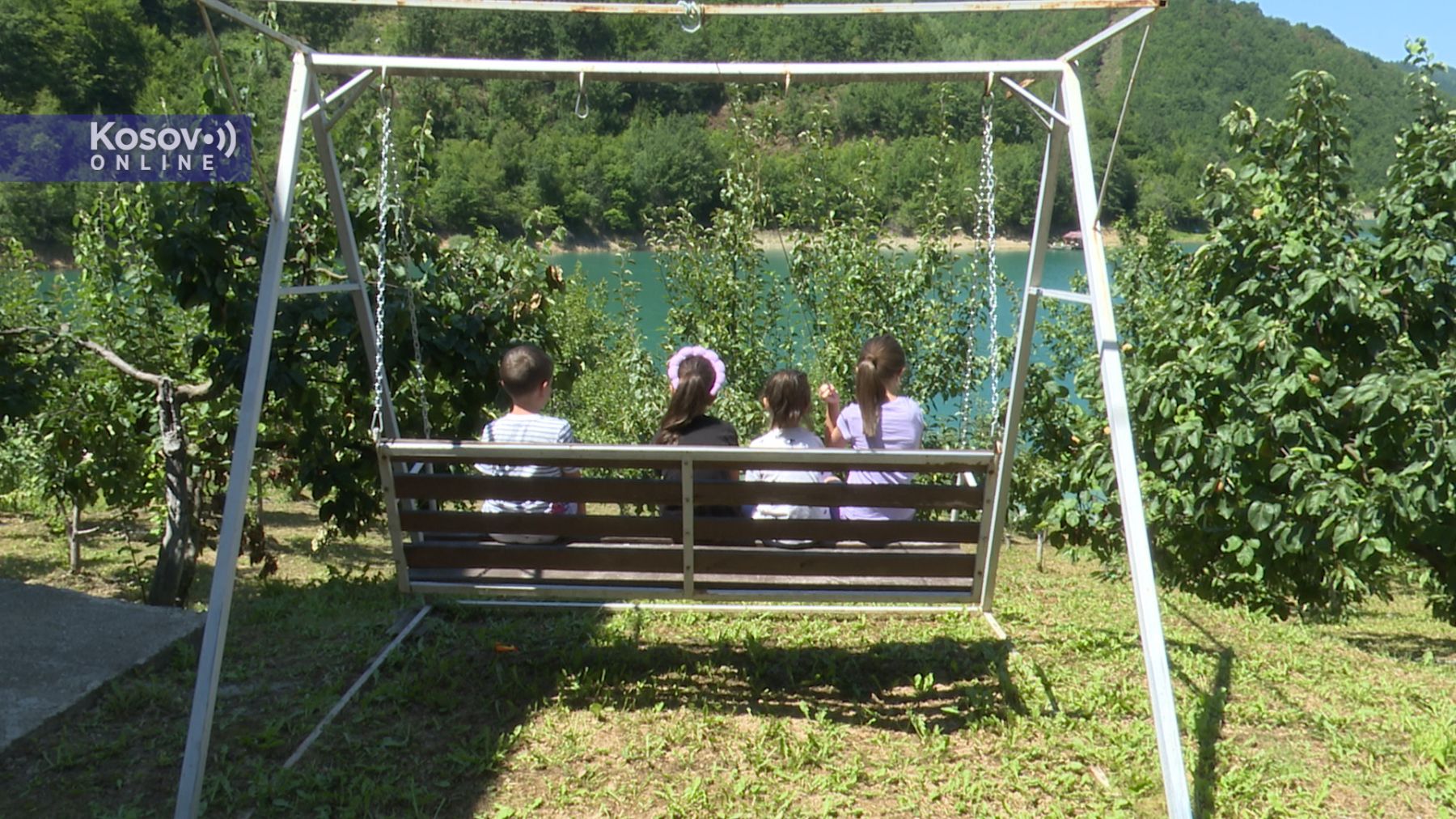
As we speak with Dragan, his grandchildren Stefan, Lola, Nina, and Darija run around us. They are spending their summer vacation with their grandparents, unaware of why the adults have been unable to take their eyes off the documents these past few days. Their Sarplaninac dog, Medo, circles around our feet. He has guarded this yard since birth, and the house by the lake is the only home he has ever known.
“This is the second time in my life that we have been forced to leave our home, first in 1978, and now again. You come back, rebuild, go there, go here. They certainly cannot take the land, but they can demolish the house. Sooner or later, based on these documents, the land will have to be recognized as mine. Right now this is a matter of politics. We were never a problem for the previous authorities in Pristina until Kurti took over. They recognize none of our documents, as if they themselves did not have documents before 1999, documents that they now refuse to recognize when it comes to us,” he added.
Asked what he would say to Kurti, who yesterday visited Zubin Potok to present Ibar-Lepenac infrastructure projects while saying they were all for the benefit of citizens, Djukic said he would ask only one question: why is he demolishing homes?
“I would ask him whether he believes these documents are valid and, since I assume he is an educated man, whether he would look at them and decide for himself whether what he is doing is right or not. As individuals, we cannot change politics, neither in Kosovo nor anywhere else,” Djukic said.
As we leave, he invites us to return on Saturday for the family celebration. While speaking about the hospitality and traditions his family has preserved for decades, he continues gripping the folder of documents in his hands.
On top is a document that begins with the words, “We hereby respectfully inform you...,” but ends with the sentence, “...if you do not demolish it yourself, we will demolish it.”



0 comments