
Gracanica: Seven centuries between stone, faith, and the people
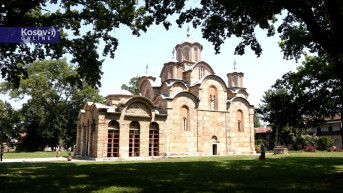
Although best known for the magnificent endowment of King Milutin, which has served as its spiritual and historical center for more than seven centuries, Gracanica is far more than the home of one of the most important monuments of Serbia's medieval heritage. Its history has been written over the centuries—from Roman and Byzantine foundations, through medieval prosperity and the Ottoman conquest, to the modern era, in which it has become the administrative, healthcare, educational, and cultural center of the Serbian community in central Kosovo.
Written by: Milena Maksimovic
Gracanica was first mentioned as a settlement in 1303 in a charter issued by Pope Benedict XI, and over the centuries its name has become synonymous with continuity, spirituality, and cultural heritage. Once a small village whose inhabitants lived primarily from agriculture, it is today a place where history and contemporary life intersect, while Gracanica Monastery remains its heart and most recognizable symbol.
Located in central Kosovo, not far from the site of the Battle of Kosovo fought in 1389—one of the defining events in Serbian and Southeast European history—Gracanica has witnessed major historical turning points for centuries. Its past is inseparably linked with the rise and fall of the medieval Serbian state, the Ottoman conquest, and the perseverance of a population that, despite numerous hardships, preserved both its identity and its holy sites.
Historian Aleksandar Gudzic explains that Gracanica first appeared in international written sources in 1303 in a letter sent by Pope Benedict XI to Marin, the Archbishop of Bar, concerning the Catholic parish in Janjevo and the mining colony in Kisnica.
"In Serbian sources, Gracanica is first mentioned in 1321 in the founding charter of Gracanica Monastery. When King Milutin built the monastery, he issued a charter that has not survived in its original written form on paper or parchment. However, it has been preserved within the monastery itself in fresco form," Gudzic said.
Today's Gracanica stands on the site of the former Roman and Byzantine city of Ulpiana, which held the status of a municipium, Gudzic added.
The importance of this administrative center during the Roman and Byzantine periods is illustrated by the fact that only two municipia existed in the entire territory of present-day Kosovo: Ulpiana, near Gracanica, and Socanica.
To understand why King Milutin embarked on such ambitious projects, building dozens of churches throughout the medieval Serbian state while also restoring numerous churches across the region and beyond, Gudzic says it is necessary to understand both the historical context and Serbia's internal political situation in the 13th century. At that time, power was effectively shared between King Dragutin, King Milutin, and Queen Helen of Anjou.
"Within that balance of power, Milutin's position was certainly the weaker one. According to the Agreement of Dezeva concluded in 1282, it was stipulated that after Milutin's death the throne of the Serbian state would pass to King Dragutin's son," Gudzic explained.
According to him, the turning point for Milutin came with his marriage to Queen Simonida, which greatly enhanced both his prestige and his political dominance.
"His standing among the Serbian nobility increased significantly. That was the decisive moment when Milutin chose to demonstrate his supremacy over the other claimants to the Serbian throne physically as well, by constructing churches. Was Serbia's geopolitical position at the time complicated? Absolutely. On the one hand, especially in the early 14th century, he was allied with Byzantine Emperor Andronikos II, whose son-in-law he became. On the other hand, he also had to take into account the ambitions of Western powers seeking Byzantine territory, particularly the Normans ruling southern Italy and Sicily. Milutin had to display extraordinary diplomatic skill to preserve the medieval Serbian state, and he succeeded," Gudzic said.
Pressure on King Milutin also came from the Mongol states.
"Thanks to his diplomatic abilities, Milutin preserved his state. At one point, he even had to send his son and heir, Stefan Decanski, to the Mongol court as a guarantee of peace. This demonstrates that Milutin was not only an accomplished military commander and one of Serbia's greatest benefactors, but also an exceptionally capable diplomat. He was a remarkably versatile ruler who laid the foundations of the medieval Serbian state, which would become an empire only a few decades later," Gudzic noted.
He also explained why King Milutin chose Gracanica as the location for the monastery.
The site occupied an important geographical position along the medieval route connecting Pristina, then a commercial center, with Novo Brdo, Serbia's largest medieval mining center.
"The area surrounding Gracanica is exceptionally rich in mines and mineral deposits. Nearby are the mines of Ajvalija, Kisnica, Janjevo, and Novo Brdo. This region has always been rich in natural resources, which made it attractive both to Emperor Marcus Ulpius Trajan, who founded Ulpiana, and later to King Milutin, who built his monastery here," Gudzic explained.
The arrival of the Ottomans profoundly affected both the demographic and religious structure of the area. Gudzic points out that with the Ottoman conquest came Islam, the empire's privileged religion, initiating a long process of Islamization.
"The Ottomans had a practice of sending semi-military units—what we would today call paramilitary formations—or the more troublesome elements of their own society into territories they intended to conquer before launching a full invasion. This served a dual purpose: it removed problematic individuals from Ottoman society while simultaneously spreading instability and fear among their enemies. As a result, the area gradually became depopulated, after which the conquerors settled populations they considered loyal. It was also common practice for them to capture Christian inhabitants, in this case Serbs, during raids and deport them to Anatolia. Such policies of settlement and forced population transfers were characteristic of the Ottoman Empire," Gudzic said.
Despite these circumstances, the people of Gracanica succeeded in preserving both the settlement and the monastery.
"The first destruction occurred already in the 1370s, when the paramilitary groups mentioned earlier looted the monastery. Throughout history, Gracanica experienced repeated periods of destruction followed by restoration. The best-known restoration took place in the 16th century during the revival of Serbian churches and monasteries throughout Kosovo and Metohija initiated by Patriarch Makarije Sokolovic, the first Patriarch of the restored Patriarchate of Pec. It was during this period that today's exonarthex was restored and painted," Gudzic said.
According to the historian, the monastery's most difficult period came during the second half of the 19th century, when Jashar Pasha Dzinic exercised authority in Kosovo.
"Jashar Pasha removed the monastery's lead roof to use the material for building his bathhouses, leaving Gracanica exposed to rain and snow for several years. The roof was eventually restored thanks to the efforts of Rista Djak, which perhaps best illustrates the close bond between the Serbian people of Gracanica and their monastery. Rista Djak, an ancestor of the well-known Popovic family, used his connections with Jashar Pasha to obtain permission for the local Serbs to install a new roof and enclose the monastery grounds, thereby saving the monastery from further deterioration," Gudzic explained.
The challenges facing Gracanica did not end there. Attacks on this medieval monastery have continued into the 21st century.
"Today we are witnessing the fact that Gracanica is one of the most endangered monasteries and UNESCO World Heritage monuments. The mere fact that the main Pristina–Gnjilane highway runs immediately beside the monastery speaks for itself, as it undoubtedly poses a threat to the monument," Gudzic said.
He recalled that after the 1999 conflict, Gracanica became the principal administrative, healthcare, and cultural center of the Serbian population in central Kosovo.
"As circumstances dictated, Gracanica became the seat of the Raska-Prizren Diocese after the 1999 conflict. The reason was simple: central Kosovo remained home to the largest concentration of Serbs. The bishop, clergy, and monastic community therefore concluded that relocating the diocesan seat from Prizren to Gracanica was the wisest course of action," Gudzic explained.
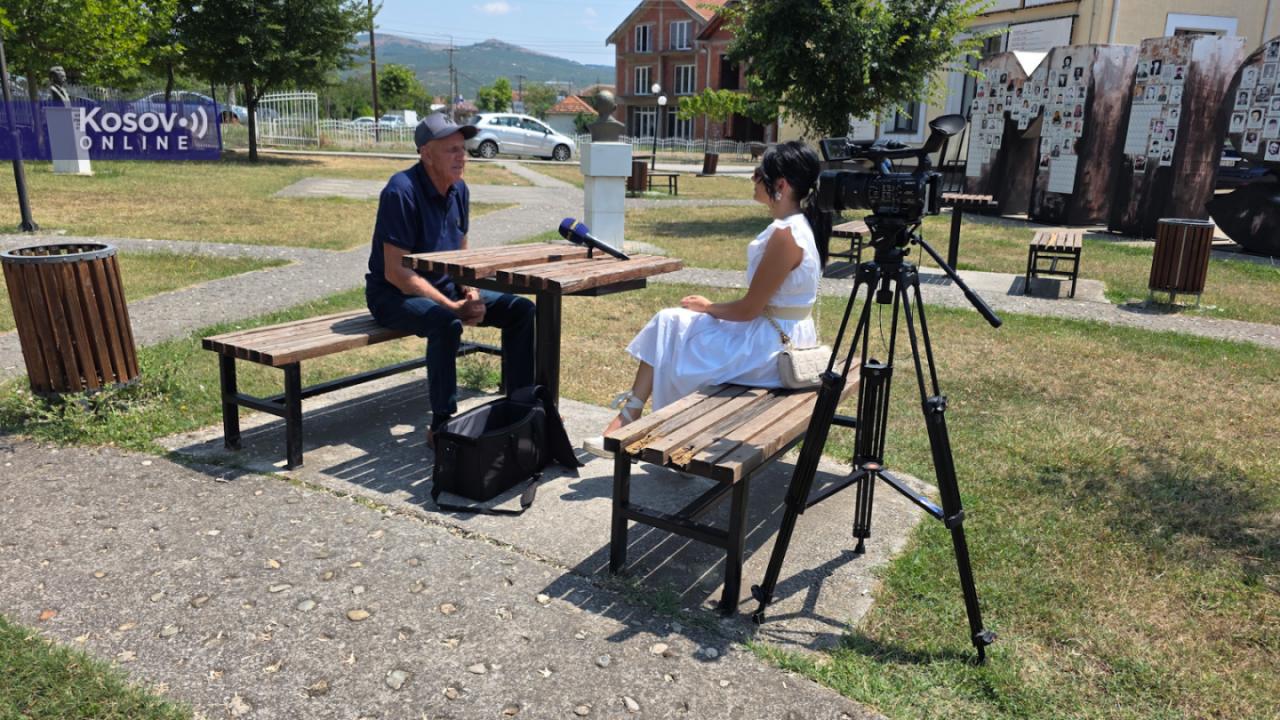
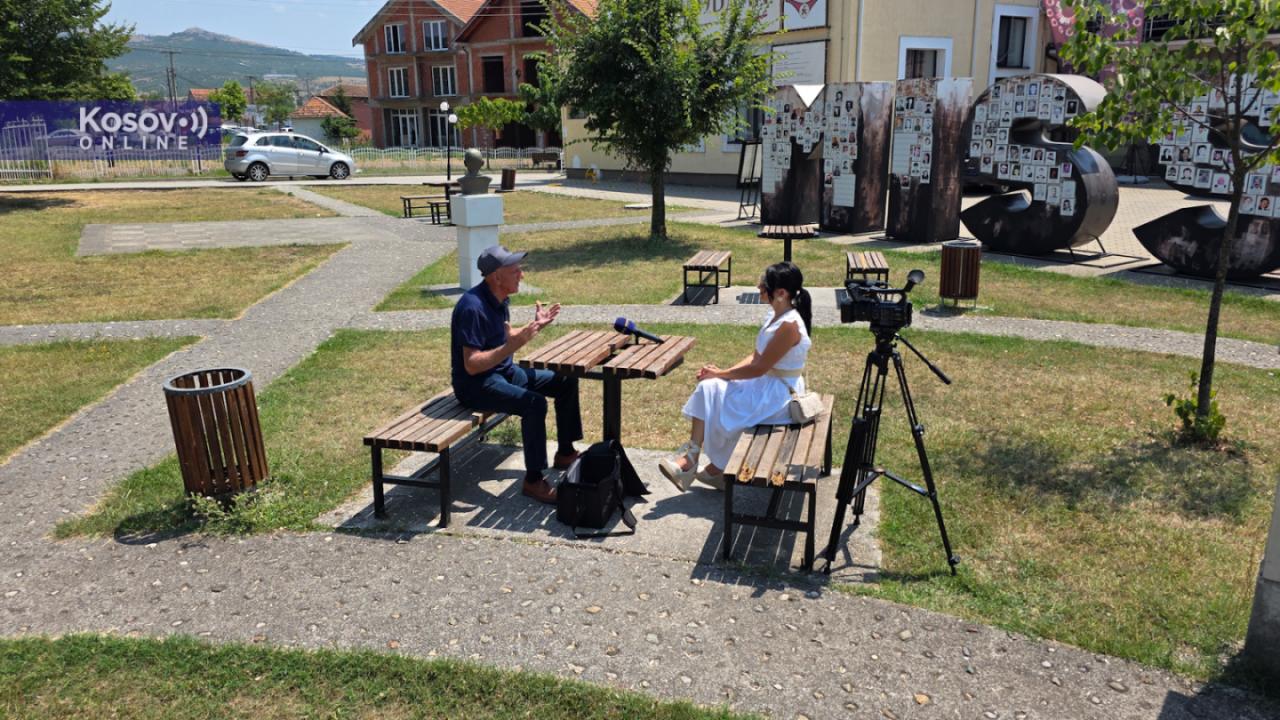
Retired schoolteacher Ljubomir Maksimovic listed family names long associated with the town—Popovic, Kostic, Sekulic, Maksimovic, Todorovic, Zdravkovic, Cirkovic, among others—as he reflected on life in Gracanica, past and present.
"Gracanica has always been one of the central settlements in Kosovo and Metohija. My family has lived here for generations—my grandfather, great-grandfather, and great-great-grandfather. We moved here in 1836 from the village of Dobrotina, although our ancestors originally came from Kovacica near Vucitrn. According to my late grandfather Bogoljub, this was a strategically important location. Most of the original inhabitants lived from agriculture. The land was of modest quality, mostly located toward Laplje Selo, Livadje, and Susica. People depended almost entirely on farming. Very few had government jobs, even after the Second World War. Extended families lived together harmoniously, celebrating major religious holidays such as Christmas, family patron saint's days, and the Feast of the Dormition of the Virgin on August 28. There was strong unity. One person usually headed the household, and disagreements were rare because Gracanica's economic life developed in that way," Maksimovic recalled.
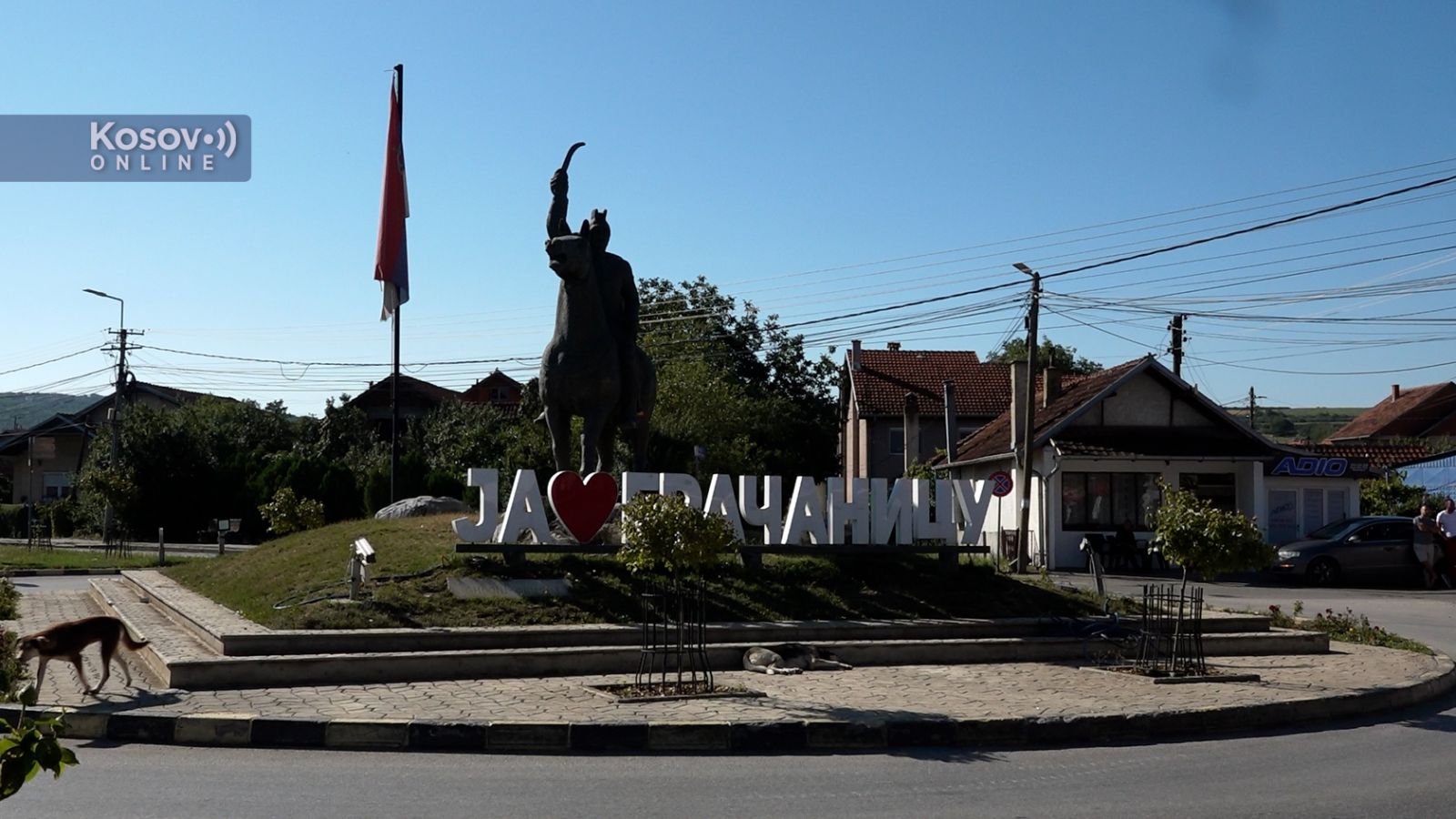
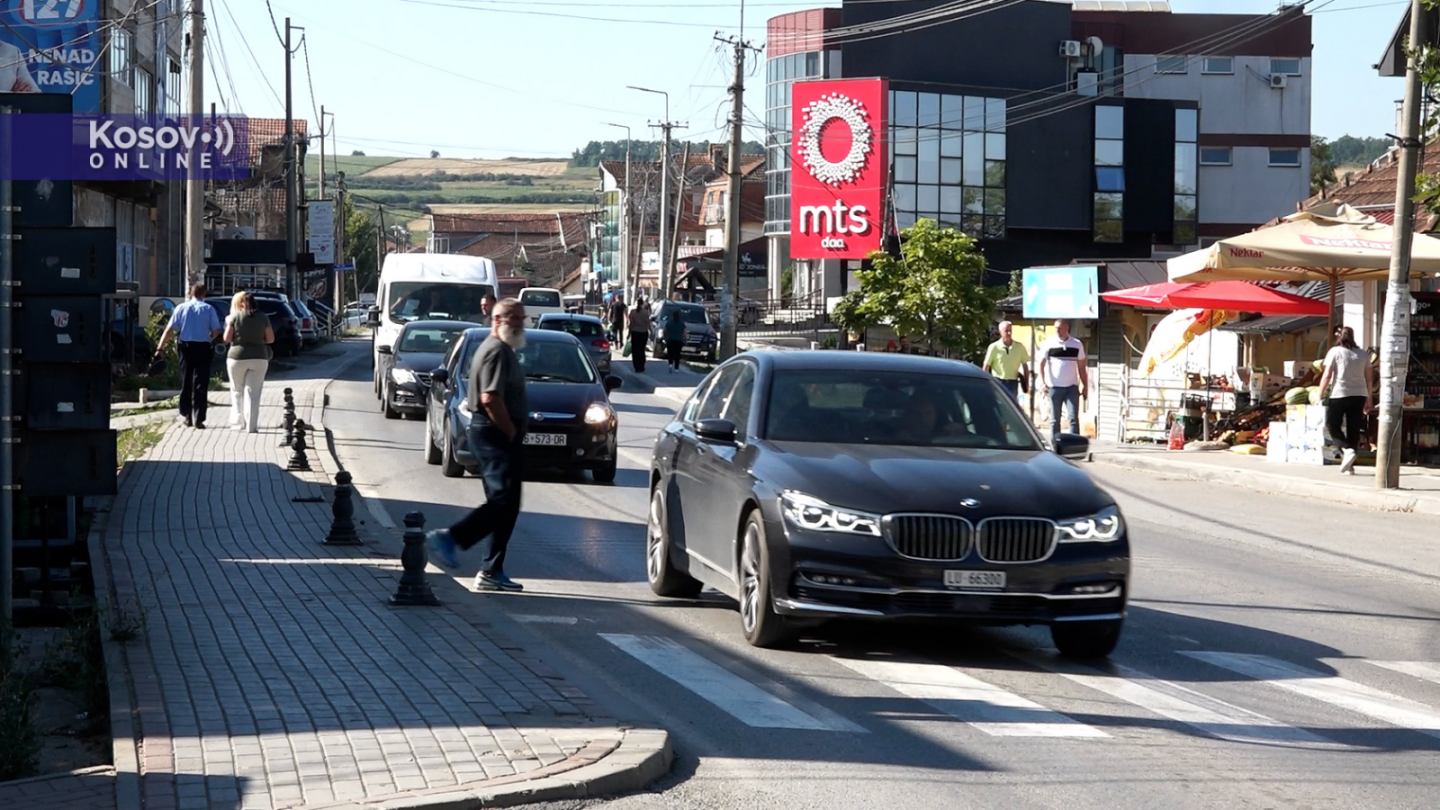
Compared with the Gracanica of the past, today's settlement is far more developed.
"I lived in those earlier times, but I also appreciate modern life. Today Gracanica has large houses with beautiful facades, roofs, and interiors. People live better, households have plenty of food, children are being born, young men marry, and young women start families. Weddings are completely different now. They used to be celebrated in a single room, whereas today they take place in elegant restaurants with elaborate menus," he said.
According to Maksimovic, Gracanica underwent its greatest transformation after 1999.
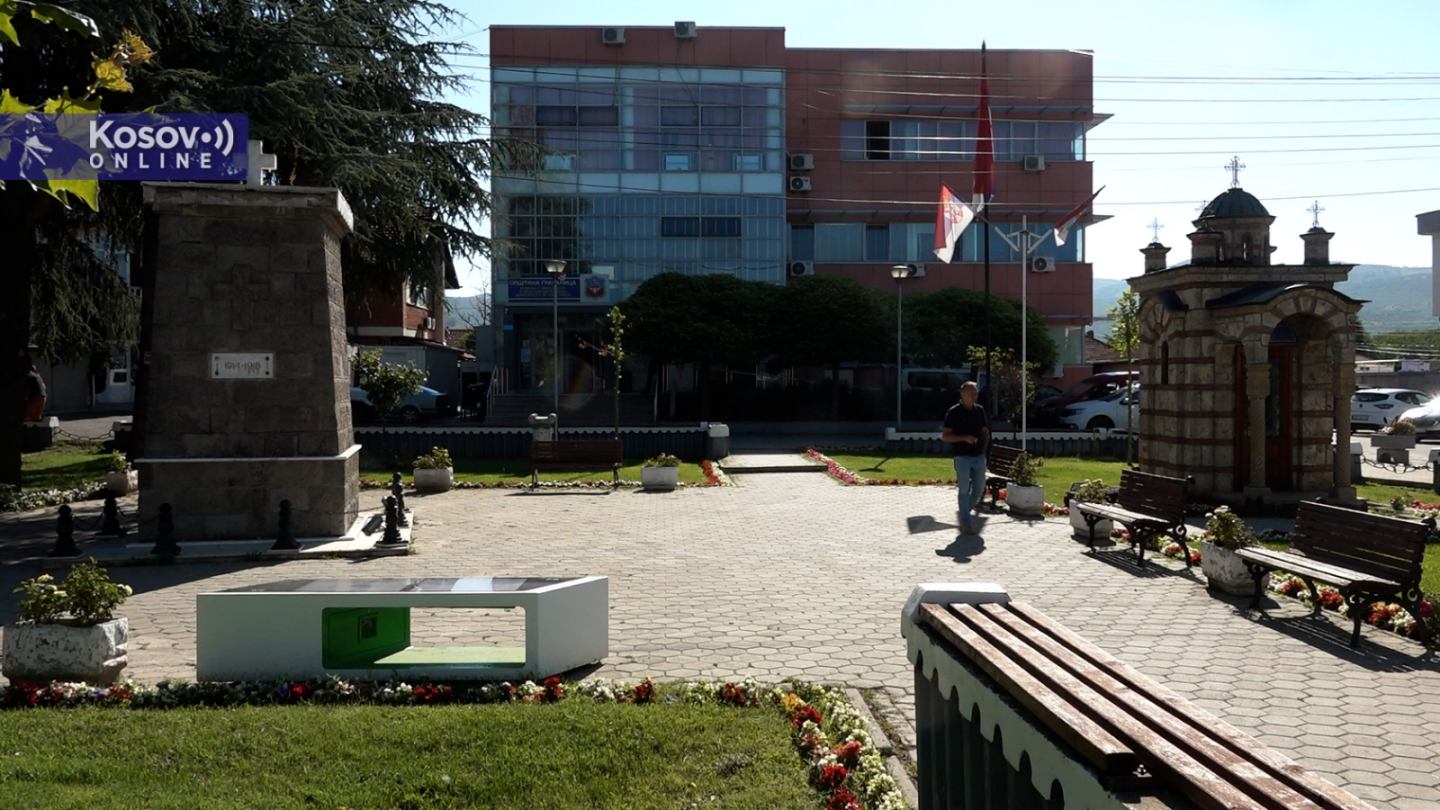
"The war brought tragedy and catastrophe. Pristina was only about ten kilometers away, and many people worked there. Our salvation was that Gracanica retained its population—not entirely, but today around 10,000 to 12,000 people live in the town itself, and approximately 19,000 according to the census in the municipality as a whole. Fortunately, healthcare and educational institutions continue to operate here, giving people employment. Other institutions such as the municipality and post office are also here, but we have preserved these two strategic pillars. We also have the Higher School of Economics relocated from Leposavic, and there used to be a department of the Faculty of Philosophy. Many students now continue their studies in Kosovska Mitrovica," he explained.
According to him, the Serbian people place their hopes in the Republic of Serbia.
"The Republic of Serbia must remain here with all its institutions because that means an enormous amount to the people—not only in Gracanica but throughout Kosovo and Metohija. Although the war changed everything, and without wishing to offend the Albanian people, I do not believe that our population will leave in large numbers. Still, a quiet emigration has begun, and that is dangerous. We must not give up. We must keep hope alive. Serbia should continue investing in this system and in all Serbian communities, because that is the only way to ensure the survival of the Serbian people in Kosovo and Metohija," Maksimovic said.
He added that mutual trust between Serbs and Albanians has largely disappeared since the war, but believes that understanding remains possible.
"We cannot forget 1999, and we know that the period before the war will never return. Nevertheless, there should at least be some understanding. We do not have to love one another, but we can find common ground. I believe in sitting down with an Albanian and finding a common language. Can you imagine that before the war an Albanian student graduated in Pristina and that his Serbian diploma was recognized throughout Yugoslavia and the Republic of Serbia? The Serbian people have lived in Kosovo and Metohija since time immemorial," Maksimovic said.
Although it has endured wars, destruction, and countless historical trials over the centuries, Gracanica remains an inexhaustible source of spiritual strength and artistic inspiration. Its architecture, frescoes, and symbolism have inspired poets, painters, and travel writers for generations, confirming that the greatest shrines endure not only in stone but also in the collective memory of a people.
It is therefore no coincidence that Desanka Maksimovic dedicated one of her finest poems to Gracanica, leaving behind a verse that still resonates today as both a warning and a prayer:
"Gracanica, if only you were not made of stone, if only you could ascend into the heavens."



0 comments