
Stanic: Workers in the region have more choice than employers
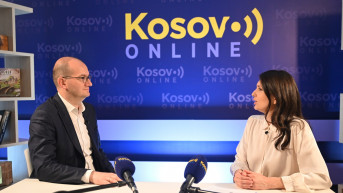
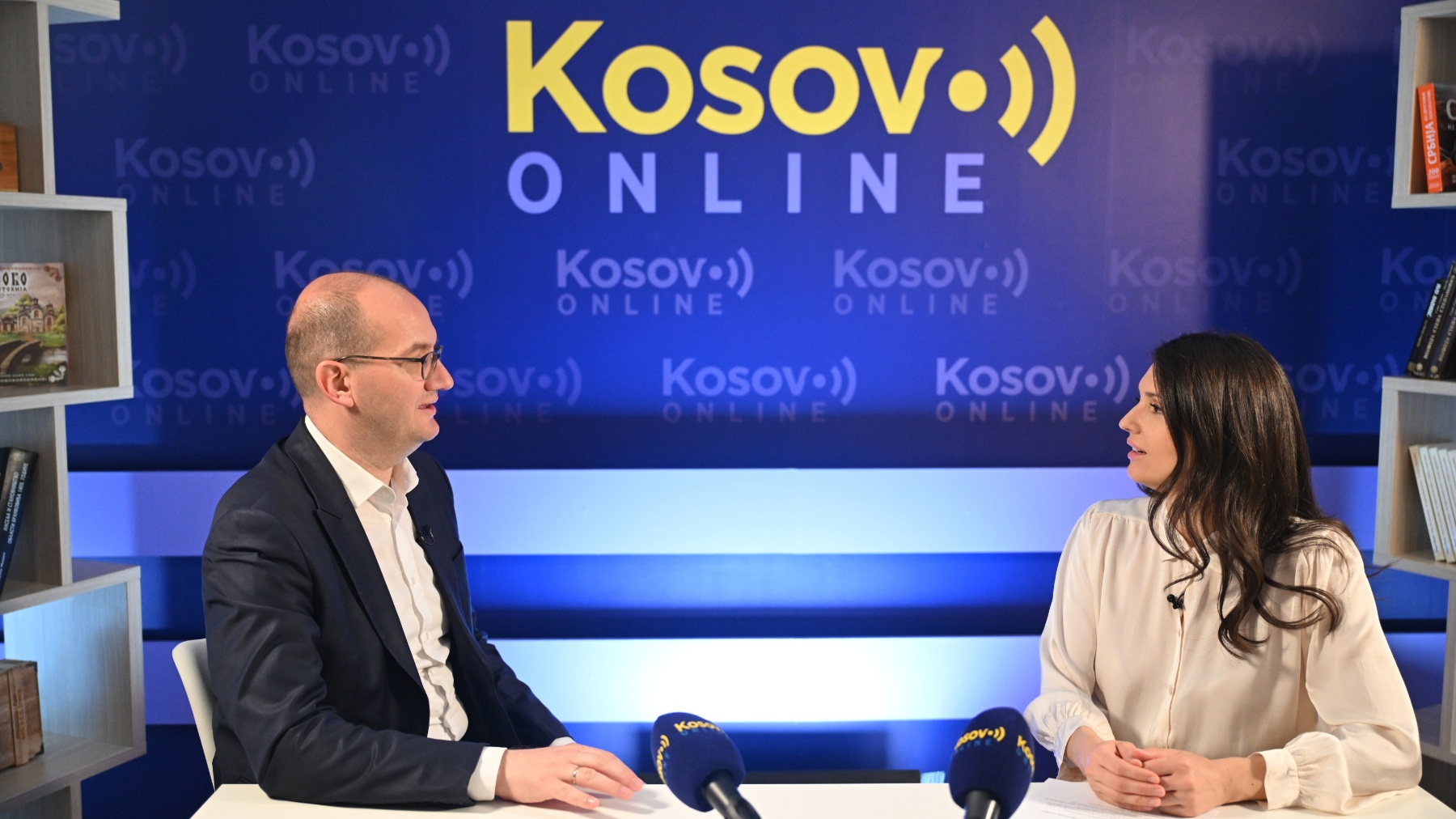
The position of workers in the Western Balkans region is more favorable today than before, but the labor market is at the same time burdened by a shortage of labor, migration, and political instability. The interests of workers and employers are in some ways conflicting - businesses want lower costs, workers want higher wages. But in that relationship there must be an understanding of how to ensure optimal conditions for the functioning of the economy, because that is a prerequisite for the development of society as a whole, Bojan Stanic from the Chamber of Commerce of Serbia said in the KOntext podcast.
He states that working conditions in the region are relatively better than in previous decades. In Serbia, he says, this is visible through rising wages and an increase in the minimum wage.
“Serbia has the greatest employment opportunities, but it has never been our interest in regional integration to draw people from the region. A worker who came from Albania to Serbia contributes to Serbia’s labor potential, but it is a loss for Albania’s labor potential,” Stanic emphasizes.
He recalls that the idea of initiatives such as the Open Balkan or the Berlin Process was different.
“Of course, one of the pillars of integration is the free movement of people, alongside the movement of goods, services, and capital. That is, a common market that would approach the European market with a stronger voice. But at the same time we must take care of balanced development,” Stanic explains.
Chronic labor shortage
One of the biggest challenges, he says, is a systemic lack of labor.
“We have a labor shortage problem across the entire region. It is not only a question of construction, transport, or hospitality, it also affects manufacturing and even agriculture,” Stanic warns.
He adds that without importing labor, many sectors would already be unable to function.
“It would not be possible to maintain certain systems. You can see in hospitals and restaurants that people from non-European countries are working, they have become necessary,” he says.
Foreign workers as a necessity and a challenge
Stanic points out that importing labor also raises a number of questions.
“There are two categories - temporary workers, for example in construction, and those who come for the long term, in the IT sector, engineering, and management jobs. The problem is that a large share of workers from Asian countries are not significant consumers here. Their earnings are on average modest and they often send them to their families,” Stanic explains.
He sees a particular challenge in integration.
“In the Western Balkans, institutions are weaker than in developed countries like Germany, so the integration of migrants is more difficult - from learning the language to respecting norms. That is why a large influx could pose a problem,” Stanic warns.
Why domestic workers are key
Stanic emphasizes the importance of retaining the domestic workforce.
“Our worker is doubly important - both as a worker and as a consumer. If foreign workers send money to their home countries, then we must take care of domestic consumption. In that sense, it is sometimes necessary to give up maximizing profit if it means better conditions for domestic workers, so that they stay here and spend. That is the only way we can address the key risk to our sustainability, which is the negative demographic trend,” the KOntext guest said.
He believes that workers from the region have fewer and fewer reasons to go abroad, and that the burden of improving working conditions must be borne by both the state and the economy.
Politics as a constraint on development
Economic potential in the region is often limited by politics, the KOntext guest believes.
“Conflicts are long behind us, but we still lose time and economic opportunities that would benefit everyone. High political risk is often a factor in deciding whether an investor will come. Irresponsible statements by politicians sometimes have no basis in reality, but investors do not know that and do not go deeper into analysis. It is enough for the region to have a reputation of instability and they will give up,” Stanic says.
Asked how to reduce political risk, he answers that no country can do it alone. Therefore, he says, it is important to continue the process of European integration.


AI and the future of work
When it comes to artificial intelligence, Stanic believes there is no reason for panic.
“Fear of technological change has always existed - it was present with the appearance of the steam engine, automobiles, airplanes. I do not see a danger of mass layoffs, because without people who understand the work there is no sustainability for either the economy or individual sectors,” Stanic points out.
He concludes, citing estimates by international agencies and institutions, that in five to ten years the situation may become more difficult for the economy and society, but that wages will have to rise in order to prevent population outflow.
“In the past it was said - if you do not want to work, someone else will. Today it is increasingly said - if you do not want to pay, someone else will,” Stanic concludes.
The full appearance of Bojan Stanic in the KOntext podcast can be viewed in the accompanying video.



0 comments