
Muhadri: I don't expect cases of conversions from Islam to Catholicism to become a significant trend
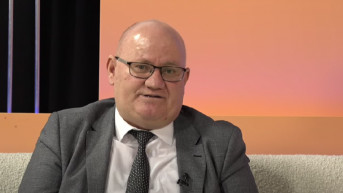
Historian Bedri Muhadri from the Historical Institute in Pristina tells Kosovo Online that he does not expect isolated cases of conversion from Islam to Catholicism in Kosovo to form a trend with any strong impact, noting that each case should be viewed individually.
Regarding the Decani Movement, which last week marked its one-year anniversary and promotes conversion from Islam to Christianity, particularly Catholicism, Muhadri believes it is unlikely to grow significantly and does not pose a threat to the "deeply rooted religious tolerance among Albanians."
“I believe religious belief is an individual right and personal choice. Kosovo is a secular state, which means it accepts religious activities freely conducted and organized independently of state institutions,” Muhadri states.
From a historical perspective, he explains that it is well known that the Albanian population across its geographical range, due to historical circumstances from antiquity through the Middle Ages, before Ottoman rule (from the 1st to the 16th centuries), was predominantly Christian, both Catholic and Orthodox.
“The indigenous Albanian population across its entire territory, including Kosovo, which was then known as Dardania, had its own religious traditions and places of worship. With the arrival of the Ottoman Empire from 1450 to 1900, the Albanian population converted from Christianity, Catholic and Orthodox, to Islam, following the Sunni tradition and also the Bektashi order, also a Sunni tradition. Historical records show that some Albanians of Islamic faith occasionally convert to Christianity. It is rare for someone of Catholic faith to convert to Islam,” Muhadri points out.
He also emphasizes that for Albanians, “the core of their identity is national affiliation, derived from blood, language, and clan, rather than from Islam or Christianity.”
“An English historian visiting Albanian villages in Albania and Kosovo in the early 19th century wrote: ‘When asked who they are, Albanians respond that they are Albanian, while other groups such as Serbs and Bulgarians say they are Orthodox before mentioning their ethnicity.’ Albanian nationalists from 1850 to 1918 in their writings on national consciousness and independence spoke of Albanism as their true faith, after which they practiced religious rites, Muslim, Christian, or even Bektashi. Vaso Pasha’s famous Albanian Renaissance poem declares, “Do not look to church or mosque, for the faith of Albanians is Albanism,” Muhadri adds.
He concludes by stating that religions in Kosovo function freely, and their diversity enriches the nation’s heritage.


0 comments