
Oncologists: The number of cancer patients is increasing in Kosovo, and there is no proven link to the NATO bombing
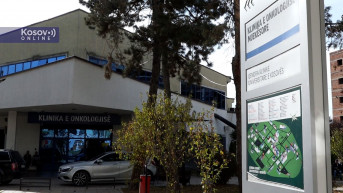
Every year, the number of cancer patients in Kosovo increases by 10 to 15 percent, Ilir Kurtishi, the Director of the Oncology Clinic at the University Clinical Center of Kosovo in Pristina said for Kosovo Online, warning that the number of cancer patients this year could reach up to 2,500.
Dr. Kurtishi also says that the Oncology Clinic in Pristina sees around 450 to 500 patients per day, with about 300 people currently receiving chemotherapy and over 170 individuals undergoing radiotherapy.
"In Kosovo, breast cancer is the most dominant cancer among women. More than 400 women are diagnosed annually, and there are four to five cases in men. In men, lung cancer is the most prevalent. In the second position, we have colon cancer in both men and women, followed by tumors in the genital organs - uterus, ovaries, and cervix", Kurtishi explains.
Our interlocutor claims that the Oncology Clinic is well-equipped.
"We treat patients in Pristina, and we have all the necessary therapies with chemotherapy for the first, second, and third lines, as well as radiotherapy. In the last two years, we've treated all types of tumors, and we have a brachytherapy machine. We also have two new accelerators for VMAT and IMRT, and we will begin stereotactic radiotherapy. The number of patients we send abroad is very low, about seven to eight patients per year", Kurtishi said, adding that there were also Serbs among the patients, but in smaller numbers.
When asked whether the number of cancer patients had increased after the 1999 bombing, Kurtishi emphasized that the Oncology Clinic had been opened in 2010, and they did not have data from before that time.
Dr. Sonja Blakaj, Head of the Department of Radiotherapy at the Clinical Hospital Center's Oncology Clinic in Pristina, points out that over 20 years have passed since the bombing, and no direct impact on the occurrence of malignant diseases has been proven.
"It is certain that the bombing had an impact on the increased incidence, but it has been more than 20 years since 1999. There are many other external factors that affect us and our health, such as pollution, water, soil, and the use of chemicals in agriculture. I think those are more significant reasons for the occurrence of malignant diseases than the bombing, which has never been proven. It is certainly not good, but it has not been proven whether it directly causes a higher number of malignant diseases now, many years have passed, so I would not connect it with that", Dr. Blakaj emphasizes.
It is true, she claims, that the number of cancer patients has been increasing in the last two years.
"We attribute all of this to the time of COVID. We had two years when patients did not come for check-ups, so I think there are a few more now accordingly", Blakaj said.
She emphasizes that cancer is curable when detected early and urges the population to regularly monitor their health.
"When it comes to women and preventive check-ups, ultrasound, and mammography, they come even when they have no symptoms, which is good. If there is a malignant disease, finding it in the early stage means we have an easier form of treatment, shorter, cheaper, and, in any case, a great chance of survival. The treatment for women whose cancer is detected in the early stage is much easier. They can quickly return to their jobs, and in 85 to 95 percent of cases detected at an early stage, they are curable", Blakaj said.
Sasa Mladenovic, the Director of the "Donja Gusterica" Health Center, confirms that the number of cancer patients in Serbian communities in Kosovo is also on the rise.
"Simply by working in primary healthcare, we communicate with the Republic Health Insurance Fund, and based on the number of patients we refer to institutions in central Serbia where they receive treatment, we notice that this number is increasing, larger than before", Dr. Mladenovic says.
Dr. Mladenovic also does not want to speculate whether the increase in the number of cancer patients in Kosovo is related to the 1999 bombing, explaining that this is a matter for experts.
"There are studies that suggest the increase in cancer patients occurred after the bombing, i.e., after the high concentration of uranium in the air. We know that radiation is one of the risk factors for cancer development. So there may be some correlation regarding the increase in the number of patients", Dr. Mladenovic points out and provides similar data as the Albanian experts.
"Women most frequently develop breast cancer, followed by colon cancer, lung cancer, and cervical cancer. Men most often develop lung cancer, followed by colon cancer and prostate cancer", Dr. Mladenovic says.
Due to better healthcare services and adequate care, cancer patients from Serbian communities in Kosovo are referred to healthcare institutions in central Serbia.
"These are typically tertiary healthcare institutions, University Clinical Centers. Patients are referred to Nis, Kragujevac, Belgrade, and Novi Sad because the quality of healthcare there has been at a high level over the past ten years, regarding surgeries, chemotherapy, radiation..." Dr. Mladenovic says.

0 comments