
Pavlovic: Sad statistics – fewer than 100 rape cases get reported annually, half as many convictions
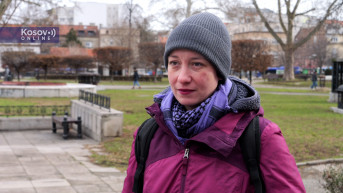
In Serbia, only around 100 criminal complaints for rape are filed each year, and that number is more than halved when it comes to convictions, warned Sanja Pavlovic from the Autonomous Women’s Center, pointing out what she described as “double distrust”, meaning that victims do not trust institutions, and institutions often do not trust women.
Pavlovic notes that around 100 rape cases are reported annually in Serbia, but clarifies that this refers exclusively to cases in which an investigation has been initiated, while the total number of reports dismissed immediately is unknown.
“When we talk about sexual violence in Serbia, specifically the criminal offense of rape, what we can say is that the statistics are very sad, devastating, even shameful, because we have fewer than 100 reports per year, and that number is more than halved when it comes to convictions. We see that there is, in a sense, mutual distrust. On the one hand, women do not trust institutions. On the other hand, institutions are the ones that do not trust women. Therefore, the responsibility lies with them to take steps so that women turn to them more often and have greater trust in them,” Pavlovic told Kosovo Online.
Men who know the victim are most often the perpetrators of violence, and Pavlovic notes that this can be anyone, including spouses, adding that the issue of marital rape is not discussed enough.
“When it comes to perpetrators of sexual violence, we know that they are mostly men, and usually men who know the victim, someone close to her from her surroundings, whether family members, someone within the education or health system, or extracurricular activities when it comes to young women. We have had cases of acting teachers and riding instructors. So, various men who have access to victims, especially when it comes to younger women. When it comes to older women, it is often their spouses. Rape within marriage is still a taboo topic that is not discussed enough,” Pavlovic said.
She therefore points out that a legal change to the definition of rape is needed, because the current one is outdated and includes only the use of force and threats.
“Changes are needed on several levels. On the one hand, institutional changes are important, including the definition of rape in our Criminal Code, which is still outdated and implies the use of force and threats, even though we know that victims in situations of sexual violence most often react with a kind of freezing or paralysis. They are not able to resist, and it is precisely this evidence of resistance that institutions ask them to prove,” Pavlovic explained to Kosovo Online.
She adds that trust in institutions is particularly important, because victims are often faced with disbelief and discouragement.
“Trust in institutions is crucial. Women should not be discouraged from reporting by someone in an institution, whether it is the police or the prosecution. We have cases where this happens, where women are told: ‘Do not report it, you have no evidence, in the end we will sue you for making a false report.’ Women encounter different people within the system who discourage them and do not believe them,” Pavlovic said.
It is also necessary, she adds, to raise awareness of what constitutes sexual violence and who bears responsibility for it. Support for women and trust are key, as well as clear condemnation of rapists.
“The burden of responsibility must not be on the woman. The burden of responsibility lies, on the one hand, with institutions to take certain steps so that women have more trust in them. On the other hand, it lies with each of us, with the citizens of Serbia and of any society. It is important to be there for them, to believe them when they speak out, to stand by them, and to have enough patience to support them as they go through these processes. And to be very clear in condemning rapists, which is also often missing here, as we encounter relativization, justifications, and similar responses,” Pavlovic said.



0 comments