
Berisha: More than 70 percent of reported cases of sexual violence committed against minors
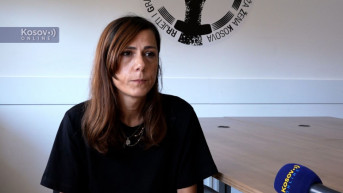
Adelina Berisha from the Kosovo Women’s Network says that perpetrators of sexual violence are most often men known to the victims, and that more than 70 percent of reported cases of this type of violence were committed against girls.
Berisha emphasized that sexual violence against girls is perpetrated by their peers as well as by adult men, adding that victims are often from vulnerable families and communities.
“The most common perpetrators are usually men. In cases of violence, victims often know them. According to data from the Kosovo Institute of Forensic Medicine, more than 70 percent of reported cases of sexual violence involve minor girls, who are often assaulted by their peers. Media reports also highlight cases of abuse of minor girls by adult men, often from disadvantaged families or communities,” Berisha told Kosovo Online.
Education of police officers, as well as staff in other institutions, about different forms of violence is necessary in order to approach victims in the proper way, she notes.
“Women in Kosovo report cases of sexual violence and harassment to the competent institutions, but there is still significant room for improvement in how these cases are handled. Institutionally, professionals in the police, prosecution, judiciary, health care and social services need continuous training to deal with cases of sexual violence and harassment through a victim-centered, trauma-informed approach. Clearer protocols for identifying and distinguishing forms of sexual violence, stronger inter-institutional coordination, and accountability mechanisms for misconduct or secondary victimization are also necessary. Confidential, accessible and victim-friendly reporting mechanisms, including specialized units and trained contact persons, would further increase trust,” Berisha listed.
In order to fulfill constitutional obligations, it is important for Kosovo to focus on developing crisis centers for rape victims, Berisha said, noting progress when it comes to the recognition of and assistance to victims of wartime rape.
“Since the Istanbul Convention is part of the Constitution of Kosovo, it is necessary for all services listed in it to be fully available to victims of violence. Currently, priority should be given to the development of rape crisis centers and sexual violence centers, which will help Kosovo meet its obligations under the Convention. Regarding sexual violence during the war between Kosovo and Serbia, the country has made progress by formally recognizing victims, providing pensions, and ensuring that specialized women’s civil society organizations continue to offer emotional and legal support,” Berisha said.
According to her, victim blaming and stigma lead to re-victimization and violations of victims’ rights and dignity. Greater community engagement is needed, Berisha says, to raise awareness and create a safe space for women.
“We must fight stigma, victim blaming, and harmful gender norms. Public awareness campaigns, education in schools about consent and gender equality, and visible support for victims can help change perceptions and encourage reporting. Engaging men and boys, community leaders, and the media in promoting narratives that respect victims is also crucial for creating an environment in which women feel safer to come forward. Only when institutions respond professionally and society is supportive can victims be confident that reporting will lead to protection, justice, and dignity, rather than shame or re-traumatization,” she said.
Speaking about whether belonging to a minority community increases the risk of violence, Berisha says that Serbian women most often recognize and report violence to the competent institutions, while the situation is the opposite for women from the Roma, Ashkali, and Egyptian communities.
“We do not have more recent data on the prevalence of gender-based violence among different ethnic groups. However, our 2015 study showed that women of Serbian origin are more inclined to recognize and report various forms of violence, while women of Roma, Ashkali, and Egyptian origin face greater barriers and discriminatory practices when reporting violence to the competent institutions. Further research is needed to inform tailored advocacy and interventions, ensuring that all women in the Republic of Kosovo have access to adequate support,” Berisha emphasized.



0 comments