
Priest Mitric: Novo Brdo was a global economic and trading center in the Middle Ages
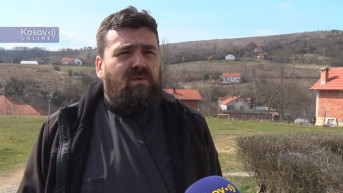
Novo Brdo was one of the most important cities in terms of trade during the Middle Ages, both regionally and globally, Novo Brdo parish priest Father Stevo Mitric stated, adding that the dinar minted in this city had gained recognition worldwide.
The grosz minted from glam silver in Novo Brdo, which contained around 30 percent gold, reached its highest value during the reign of King Milutin and was highly esteemed and desired among traders, Father Stevo Mitric emphasized.
"The first coined money is believed to have been minted in Ras in 1217 by Stefan Nemanja. The first recorded coined money here in Novo Brdo, which gained recognition worldwide, was minted around the 14th century, starting from around 1308. Its highest value was reached during the reign of King Milutin, and it was sought after in international trade throughout the known ancient world. With that famous glamorous silver from which the dinar was minted, containing around 30 percent gold, it was highly esteemed and desired among traders at that time. Novo Brdo, one might say, was a global economic and trading center at that time, a city written with capital letters on all maps of that era as one of the most important cities in trade both regionally and globally," Father Stevo Mitric said.
The priest emphasizes that we should not forget that the Serbian state was once the strongest in the Balkans and excelled in both economy and culture at that time.
"Throughout history, even during the communist era, we often didn't know where we stood. We had a great state during the time of King Milutin and Emperor Dusan, and we often wondered where our great medieval cities were. It was said that they were made of wood and therefore extinguished and disappeared, but for those we knew existed, such as Novo Brdo, Skopje, Prizren, and Ras... not much attention was paid as if Serbian history had been deliberately sidelined. However, now that we have gained freedom in studying and historians have been given the freedom to say more, we have begun slowly gathering fragments, the mosaic of our history, through monasteries, through medieval cities, and we realized that our state was economically strong, perhaps even the strongest in the Balkans, that it had a huge influence on neighboring countries, and that it excelled in economy, and one might say culture, at that time," the priest emphasizes.
Novo Brdo is now, Father Stevo Mitric emphasizes, a part of Serbian cultural heritage, and the Serbs who live there, he says, are proud of their history.
"Novo Brdo is certainly today a glimpse of the old glory of those medieval states, and Novo Brdo is a city that emerged as a result of the work of Serbian diplomats at the time, including King Milutin himself. It began with the exploitation, and King Dragutin, his brother, who later abdicated in his favor. We must emphasize that this is a part of our cultural heritage, the people who live here, who are of Serbian origin, and who are in a way proud of their history. But we still lag behind in understanding how great and successful Novo Brdo was. This speaks to our limited knowledge of our history and our lack of study of our cities, how they were perceived through the history of other medieval states at that time," Father Stevo emphasizes.
In Novo Brdo, along with surrounding villages, there are approximately 10,000 Serbs and Albanians living today.


0 comments