
Residents of Klokot and Partes: The dinar ban decision has made our lives harder and created additional expenses
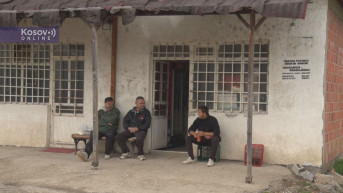
Two months after the ban on transactions in dinars, meetings in Brussels, and appeals from the international community to suspend the decision of the Central Bank of Kosovo, Serbs from Kosovo financed by Serbia still do not have the ability to withdraw their incomes from the nearest bank. For the residents of Klokot and Partes, the ban on dinars is a decision that has made life harder and created additional expenses.
The CBK's decision has mostly affected pensioners who must travel to central Serbia to collect their deserved pensions.
Klokot resident Tomislav Tomic says that it is most difficult for the elderly who are in poor health.
"We were born here, we want to stay at home. There are no dinars; I am still in good health, but there are people who cannot go to central Serbia, how will they manage for money? It's quite difficult. We have the greatest hope in our President Vucic, only he can save us. We stand with our Republic of Serbia," Tomic said.
Dragisa Trajkovic from Partes shares the same opinion.
"We don't know what to expect. It is difficult, I have children, so they go to Vranje to withdraw my pension, so I don't have to hassle, but for the elderly who cannot go, who are immobile, it's terrible for them," Trajkovic says.
Zoran Stojkovic, whose mother is a retiree and immobile, told us what he faces after the decision to ban dinars.
"I have an old, immobile mother, I took her to Vranje because there was a big crowd in Bujanovac, she cannot sign, I have to ask people there to step out so she can leave a fingerprint to get a card so that I can withdraw her pension. I see no solution. Life is difficult, especially for the young," Stojkovic said.
Lozica Kecic from Partes says that the decision to ban dinars did not personally affect her, but she understands why people, especially the elderly, are unhappy about the ban on dinars.
"The decision did not personally affect me, my husband works here, but it did affect many people, and it is very difficult for them because they cannot travel every month," she said.
In addition to citizens, the decision to ban dinars also negatively impacts the functioning of institutions financed by the Republic of Serbia. The elementary school "Saint Sava" in Klokot is struggling due to the ban on dinars, and educational workers are forced to organize themselves in order to withdraw their monthly salaries.
Teacher Bojan Bogdanovic says that he and his colleagues are managing, but he doesn't understand why dinars, as a means of payment, bother someone.
"Younger employees somehow manage. Klokot is about 70 kilometers away from Vranje, where we can withdraw our salaries. However, even that requires organization; there is a big crowd at the administrative crossing. So we wonder what the problem is; dinar is just money, and money is a means of payment. I don't see why dinar, as a currency, is a problem for someone. In the 21st century, it is unacceptable for the dinar as a currency to be a problem," Bogdanovic said.

0 comments