
Residents of Strpce: The dinar should be used in Kosovo just like the euro
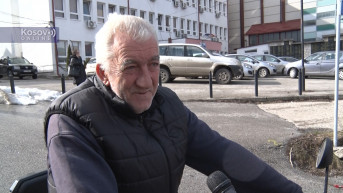
It has now been a year since the use of the dinar was banned in Kosovo. Residents of Strpce emphasize that this has been extremely difficult for them, especially since they have to travel to central Serbia or the nearest administrative crossing to withdraw their pensions, which they then exchange for euros to be able to shop in Kosovo.
Slavisa Ristic tells Kosovo Online that having to travel to the administrative crossing to collect his pension is a major problem for him, especially since he is ill, making every trip outside the municipality of Strpce extremely difficult.
"It is a huge problem. I’m a pensioner, and traveling is very difficult for us. Sometimes you even decide not to go for your pension at all. My pension is small, so the trouble is greater than the benefit. It is sad that they did this, tragic for our people. It’s impossible to endure. I don’t know what we will do next. Some people can manage, but some can’t. We are sick, and every trip beyond this area is extremely difficult," Ristic said.
Budimir Stevanovic pointsout that transportation to central Serbia is expensive, creating a major problem for those with small pensions.
"The hardest part is that there is no transport, no taxi service, and it is really expensive. By the time you travel and collect your pension, it costs a lot. It is tough when you don’t have your own dinar here. You have to buy euros there and bring them back just to be able to shop here," Stevanovic said.
Svetislav Djordjevic believes that the dinar should be used in Kosovo just like the euro.
Borivoje Markovic notes that traveling to the administrative crossing to collect a pension is especially difficult for elderly people, who also struggle to use ATMs.
"It is definitely hard without the dinar. And for the elderly, who also aren’t skilled at using ATMs, it is even more difficult. We hope this will change," Markovic said.
Jovica Staletovic says that life in Kosovo is particularly challenging without access to the dinar and with the closure of key institutions.
"The hardest part is when they shut down all the institutions. There is nothing worse than that. Everything is restricted, even life itself. Next, they will ban us from breathing, and then what? The hardest thing for me is that I live on a single minimum wage, of 20,000 dinars. After paying for travel, what is left for my family? Nothing," Staletovic said.

0 comments