
Ristanovic: Skanderbeg could be one of the symbols connecting Serbs and Albanians
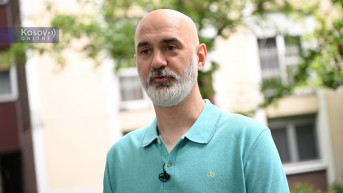
Petar Ristanovic, a research associate at the Institute for Serbian Culture in Leposavic, stated that Djuradj Kastriota – Skanderbeg should not be a source of division, but a reminder of a shared past and one of the potential symbols that could connect Serbs and Albanians. However, he believes such an outcome is currently unrealistic.
“Skanderbeg is a national hero for Albanians, something akin to Prince Lazar or Prince Marko. On our side, people often like to point out, and it's definitely true, his Serbian origin, the fact that his mother was undoubtedly a Serbian noblewoman. Albanians don’t like to be reminded of that. On the other hand, it seems that the Serbian side tends to overemphasize this,” Ristanovic said.
A series of events is being held today in Pristina to mark the 620th anniversary of Skanderbeg’s birth.
Ristanovic notes that this is a historical figure who is also part of mythology.
“By commemorating Skanderbeg’s birth in all the regions where they live, Albanians use it as yet another way to demonstrate their national unity and the unity of their territories, territories that today do not belong to Albania but that many Albanians would like to see included,” the historian explained.
He emphasizes that, especially due to his origins, Skanderbeg should not be “a topic of division, but a reminder of shared history and close roots.”
Still, he doubts that such a thing is currently possible.
“Reconciliation through Skanderbeg is definitely not possible due to political circumstances and the complex past. Because of crimes and everything that has happened, it is clear that one Skanderbeg is not enough to forge a shared history or to open a path for dialogue and reconciliation. But he is certainly one of the symbols through which communication and dialogue could be initiated, and through which the shared roots and common history, closeness, and cooperation between the two peoples, even back in the Middle Ages, could be highlighted,” Ristanovic said.
According to him, the core of the problem lies in the use of history, especially medieval figures, for contemporary political purposes.
“The greatest misconception when it comes to medieval heroes who have acquired mythical status, and who are now more often discussed through legends than historical facts, is the insistence on national identity. In Skanderbeg’s case, this is particularly evident, but it is also present with some Serbian medieval legends, as well as among other nations. Essentially, the most problematic part is when the Middle Ages, history, and legends are used for daily political purposes, to serve present-day political and national goals,” Ristanovic concluded.



0 comments