
Vujinovic: Under the guise of fighting the “evil influence” from Moscow, the freedoms of Serbs in Kosovo are being suppressed
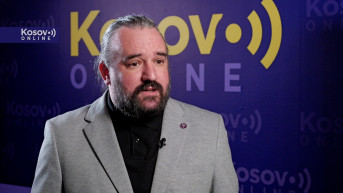
Security studies researcher Nikola Vujinovic stated that Pristina is emphasizing the notion of “Russian influence on Serbia” not only to gain sympathy from the West but also to use that claim as an alibi for violating the rights of Serbs in Kosovo.
“In today’s world, in 2025, Russian influence is considered an ‘evil influence.’ It is a justification for all political moves you make toward a community you claim is under Russian influence. Since Serbs are said to be under Russian influence, anything done to them is deemed justified, and you can gain the support of the collective West for your actions – whether you are stripping human rights, committing political violence, destroying property, or preventing existential needs. Essentially, you just say ‘they are under Russian influence’ and you can do whatever you want. And it is not just by Kosovo Albanians, but by all actors in the region when it comes to Serbs,” Vujinovic told Kosovo Online.
Commenting on the claim made by the acting Prime Minister Albin Kurti that the cooperation between Serbia and Russia is at the level of a “strategic partnership,” this analyst said that Serbia has a similar relationship with China, France, and even the US.
“I think it is very positive to have a strategic partnership with such a power as Russia, especially when it comes to Kosovo and Metohija, where Russia supports our positions on the issue. I’ll remind you that Serbia also has strategic partnerships with many other countries: China, France, the US. And that is an excellent instrument of foreign policy,” Vujinovic said.
He added that a strong position for Serbia is not in Pristina’s interest.
“The fact is that the so-called Kosovo government in Pristina doesn’t want Serbia to have strong foreign policy leverage like the Russian Federation and will insist on portraying it as something negative or evil,” Vujinovic emphasized.
Commenting on the criticism from Pristina regarding the recent visit of Serbian Orthodox Church Patriarch Porfirije to Moscow, the analyst sees it as a “further boost” to Serbia-Russia relations.
“If Patriarch Porfirije, through his influence, authority, and fraternal ties with the Moscow Patriarchate, can help the Kremlin better understand Serbia’s interests, not just in Kosovo and Metohija, but throughout the region, I support that and consider attacks on it a political maneuver by opponents of Serbian national interests,” Vujinovic said.


0 comments