
Ristic: In Novo Brdo, there was a coin mint of Serbian rulers, where the dinar was made from the mid-14th century
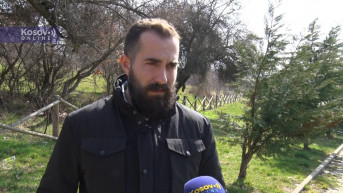
Novo Brdo emerged as a medieval urban center between 1303 and 1319. According to historian Milos Ristic, the most significant historical fact about this place is that it housed a coin mint, where the Novo Brdo dinar began to be produced in the mid-14th century.
Novo Brdo is located on the Velika Planina north of Gnjilane in Kosovo and was a medieval city and mining center.
"Novo Brdo emerged as a medieval urban center between 1303 and 1319. It came into existence when German miners known as Saxons arrived in the Serbian medieval state, initially settling in Janjevo. Exploring the surroundings of Janjevo, they discovered deposits of glam silver on the slopes of Velika Planina, and it was there that the urban center of Novo Brdo formed. This was followed by the establishment of a fortress, most likely during the rule of Prince Lazar, between 1355 and 1389," historian Milos Ristic from Jasenovik, near Novo Brdo stated.
Ristic emphasizes that the city was a multi-ethnic environment where local Serbian traders, as well as Dubrovnik inhabitants, Italians, Jews, and later Turks, thrived. The most important historical fact about Novo Brdo is that it housed the coin mint of medieval Serbian rulers.
"The role of the protovestiarios, the individual responsible for the finances of medieval rulers, is associated with this city. From the mid-14th century, around 1350 or 1349, the minting of the Novo Brdo dinar or grosz began, and it was in circulation in various emissions until 1455 when Novo Brdo fell under the rule of the Turks due to the attack by Mehmed II the Conqueror," Ristic emphasizes.
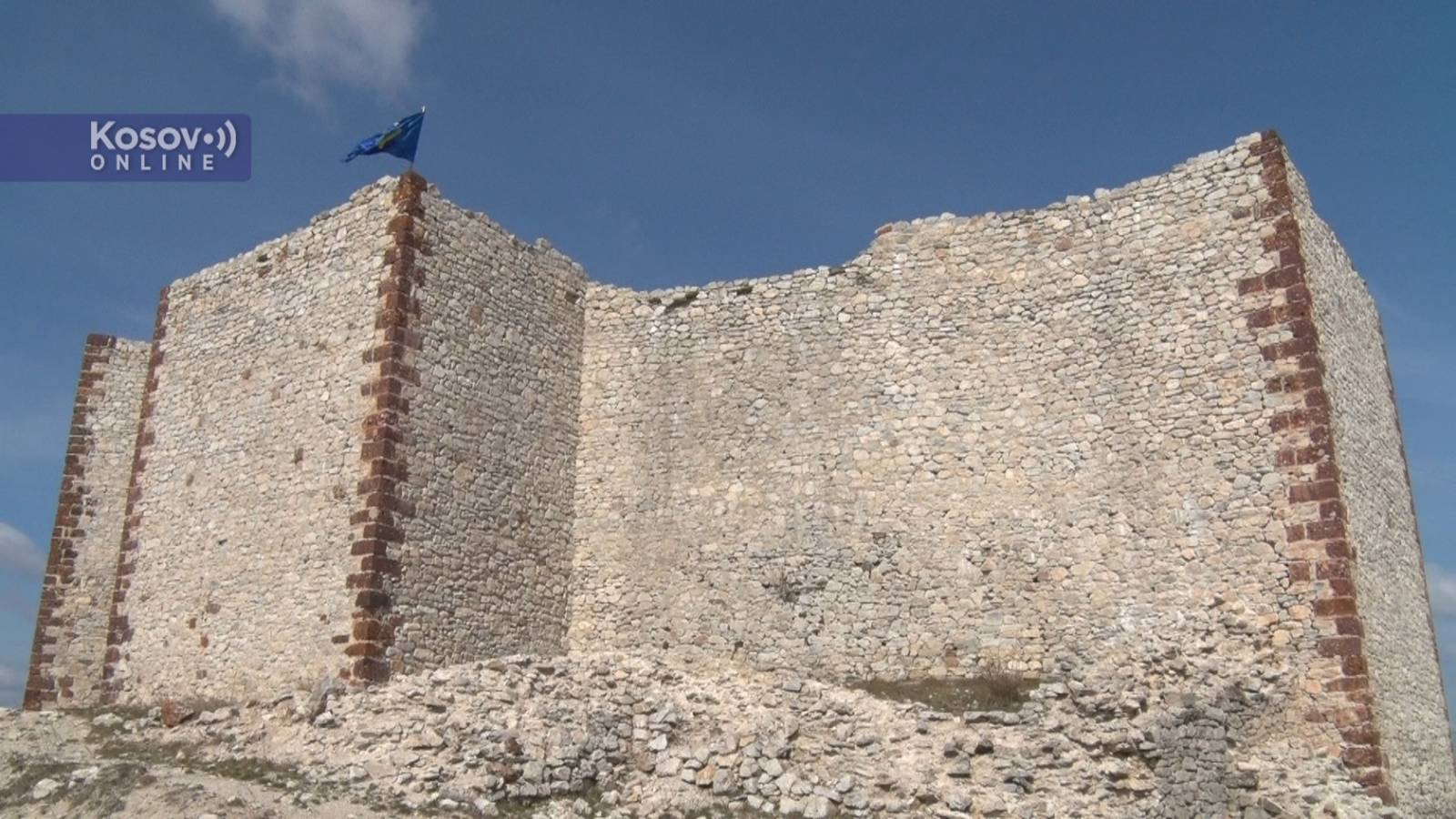
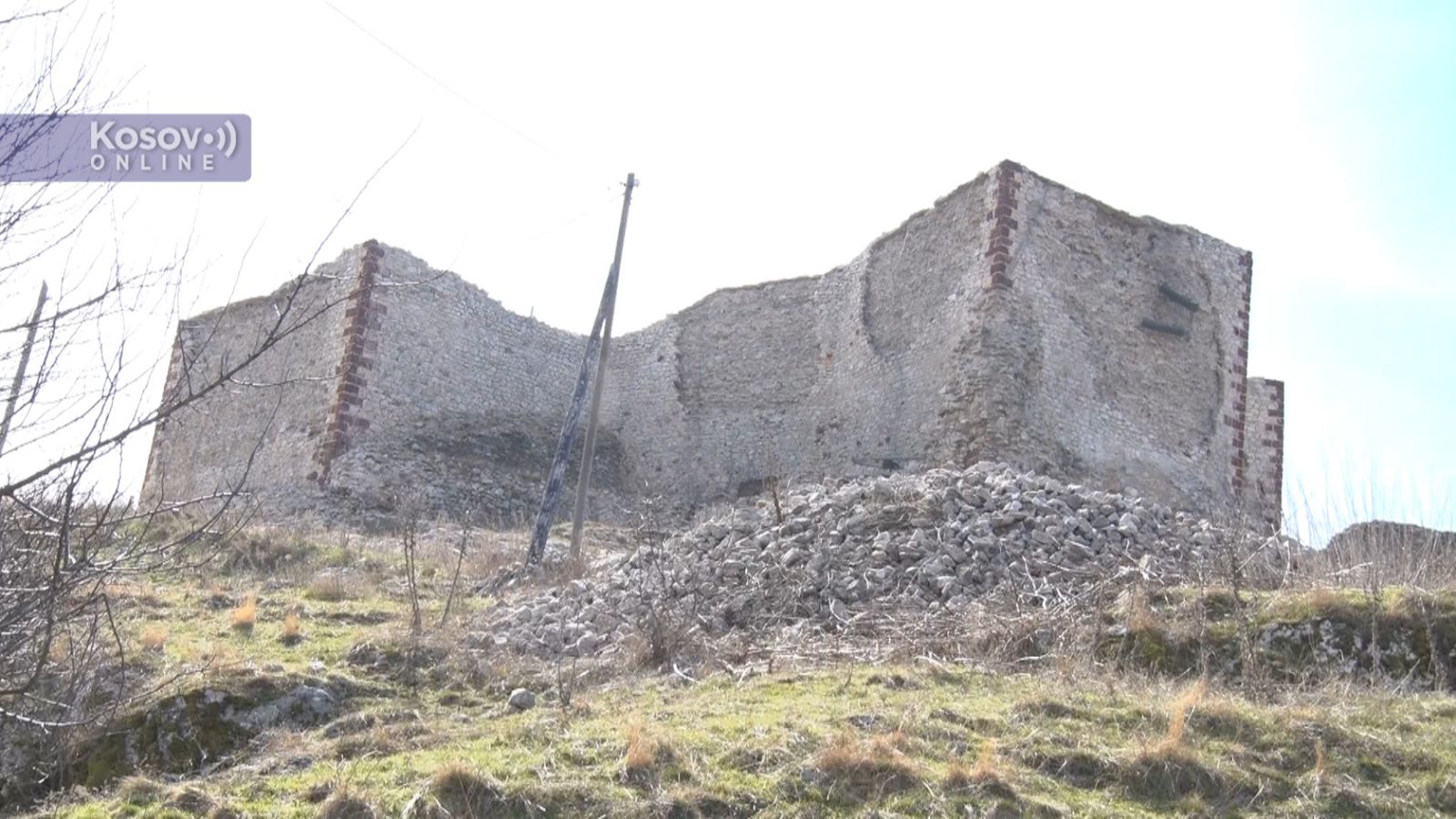
Today, Novo Brdo is known for its namesake fortress.
"Most likely, there was some fortification at the site of the current fortress even during the time of King Milutin. However, the most significant developments regarding this occurred during the time of Prince Lazar when, in 1387, he issued a charter to the inhabitants of Dubrovnik, obliging them to participate in the defense of the city as well as in the repair and construction of its walls. Later, the fortress was further developed during the reign of Despot Djuradj Brankovic until 1455. After the first fall of the despotate, there were no major renovations to the complex of the Novo Brdo castle. In 1455, the fortress was destroyed during the conquest by Mehmed II the Conqueror, and afterward, it was not restored in the form used by Serbian medieval rulers but received a different, oriental appearance. After Novo Brdo was abandoned as a city center, it fell into ruin, and today we only have what we see, all of which was erected during conservation works after 2015," Ristic said.
What most people don't know, claims the historian, is that Prince Lazar was also born not far from Novo Brdo.
"Prince Lazar was born about ten kilometers from here, on Prilepac, which is another hill, lower than Novo Brdo. Besides being born in Prilepac, his estates were also located there, including his family's garden estates, which encompassed villages such as Rajanovce, Bozovce, Pancelo, Miganovce, and a few villages around Kriljevo, which today no longer exist under those names but are now known as mahalas, Strezovac, and Ljestar," Ristic said.



comments