
Trendafilov: Low wages drove good workers out of hospitality and tourism
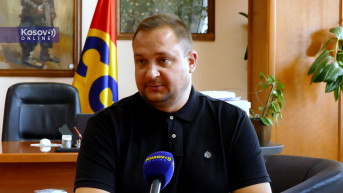
The President of the Federation of Trade Unions of Macedonia, Slobodan Trendafilov, states that workers across the region have many reasons to protest on International Workers’ Day, and that workers in his country, compared to those in the region, start the day at the bottom of the scale, as they have the lowest average and minimum wages.
“What we are asking for in Macedonia is actually what workers in the region already enjoy, and we fear that Macedonian workers might leave the country, especially now in the summer season, to work elsewhere in the region for a significantly higher minimum wage or better-than-minimum wage. That is discouraging, even though we had counted on and expected understanding from the government to follow in the footsteps of regional governments and make a decision that would preserve the standard of living or increase workers’ wages,” Trendafilov told Kosovo Online.
He reminds us that International Workers’ Day commemorates the struggle of workers, and their sacrifices, in Chicago, who protested for the eight-hour workday, and says that such working hours are under threat in Macedonia due to the Labor Relations Law, which allows a 12-hour workday, unlike any other place in Europe.
From a financial perspective, he notes that workers in the textile, leather, and footwear industries are in the most difficult position because they are “traditionally the lowest paid.”
“The union density in these sectors is the lowest. Workers file complaints to the Federation of Trade Unions of Macedonia (SSM) when they are not paid for years of service, overtime, or work on holidays. The SSM fought to make Sunday a non-working day, and they no longer work Sundays, but these three industries may still be the worst paid in Macedonia. Next come hospitality and tourism. The overall problem is that low wages have driven good workers out of the hospitality and tourism sectors, and they now work somewhere on Adriatic beaches for much higher pay. Employers have tried, unsuccessfully, to import labor. Even workers from India, Pakistan, Bangladesh, and similar countries don’t stay in Macedonia for the minimum wage of 396 euros,” Trendafilov says.
Last May 1st, there were worker protests in North Macedonia, but our interlocutor says that over the past 12 months, little has changed. Although the process of wage increases has started, he considers it insufficient.



0 comments