
Antonijevic: There is no dilemma between Kosovo and the EU, but rather how to protect the rights of Serbs
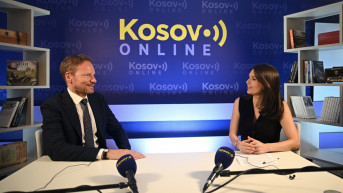
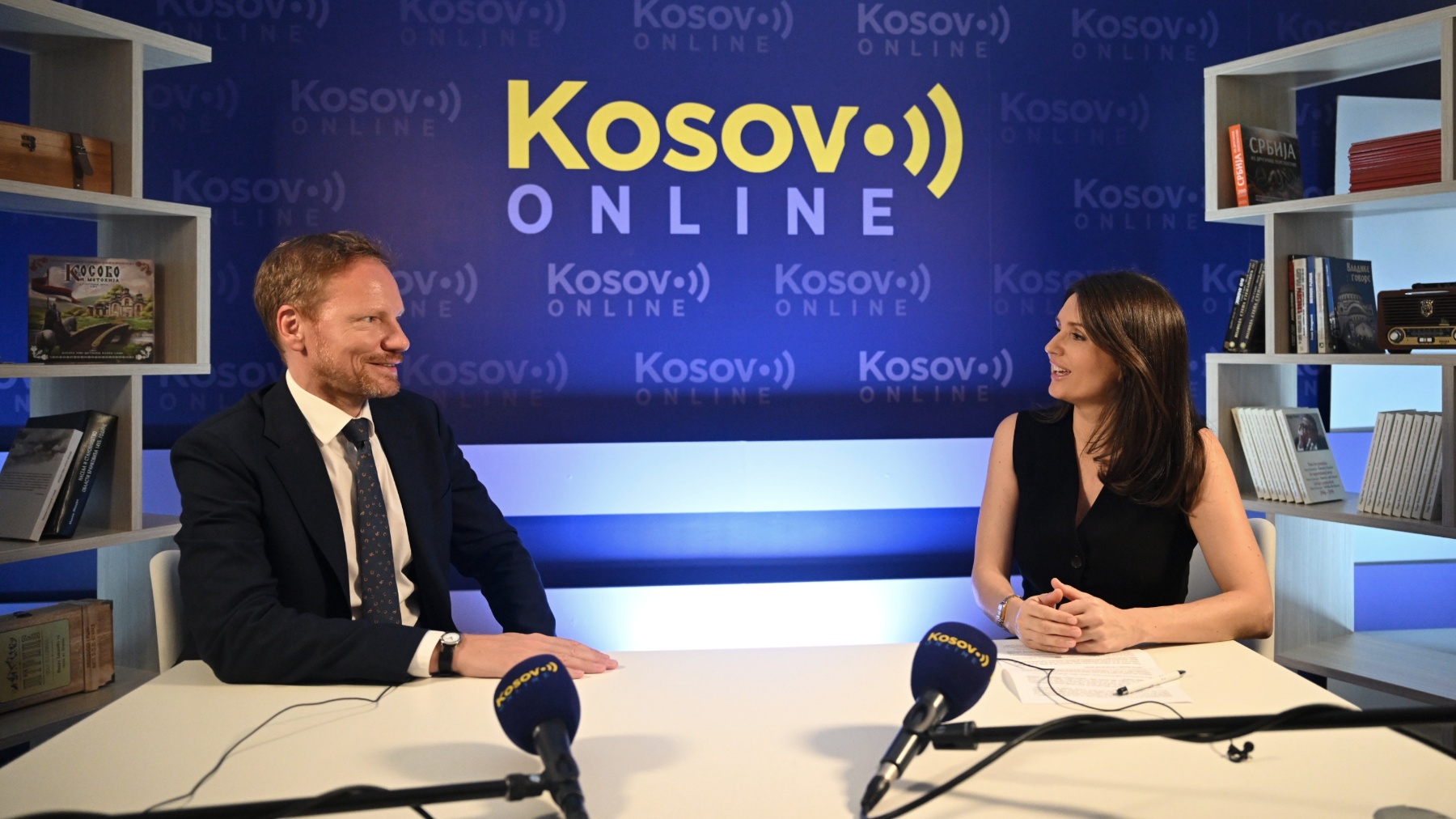
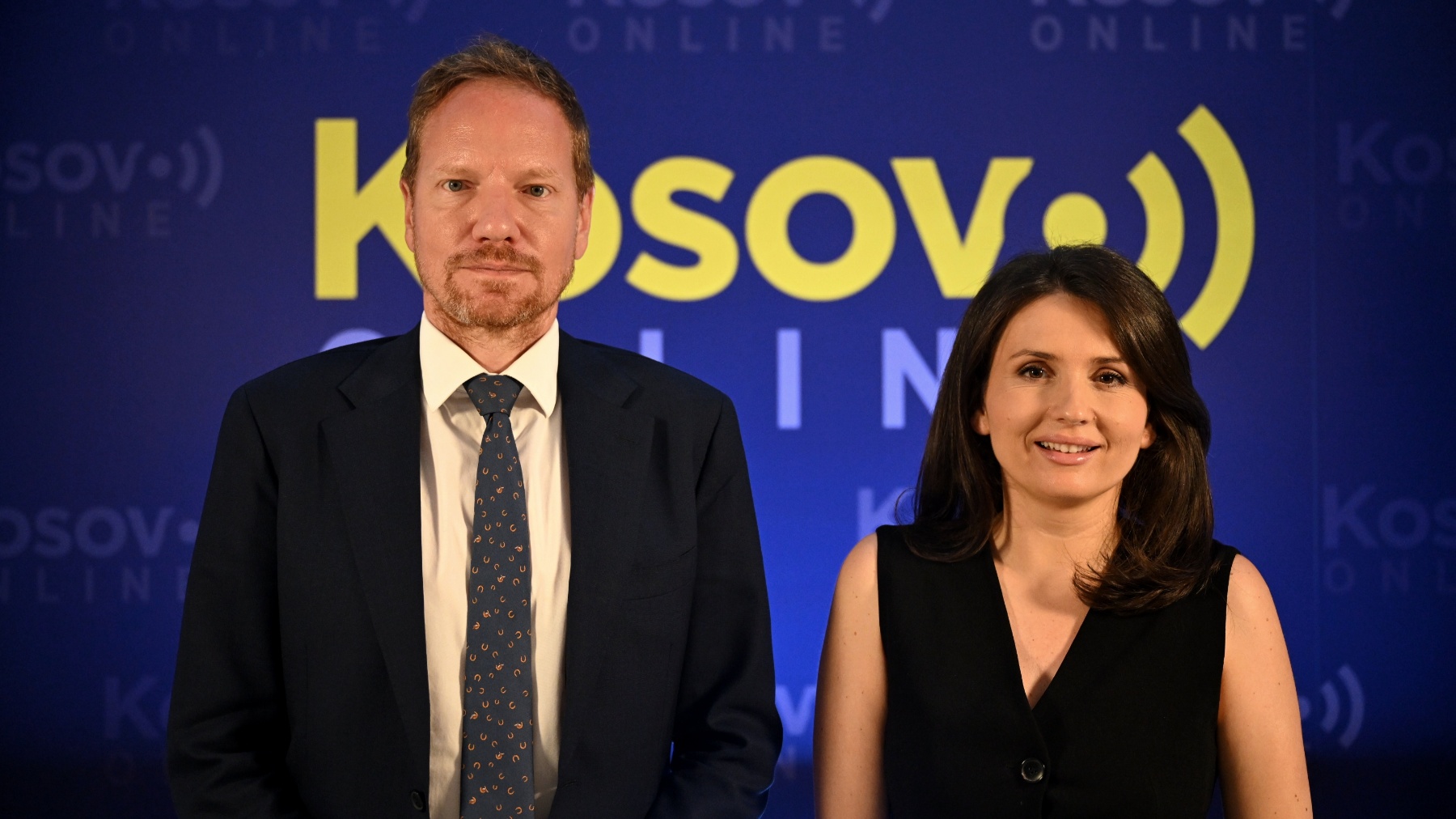
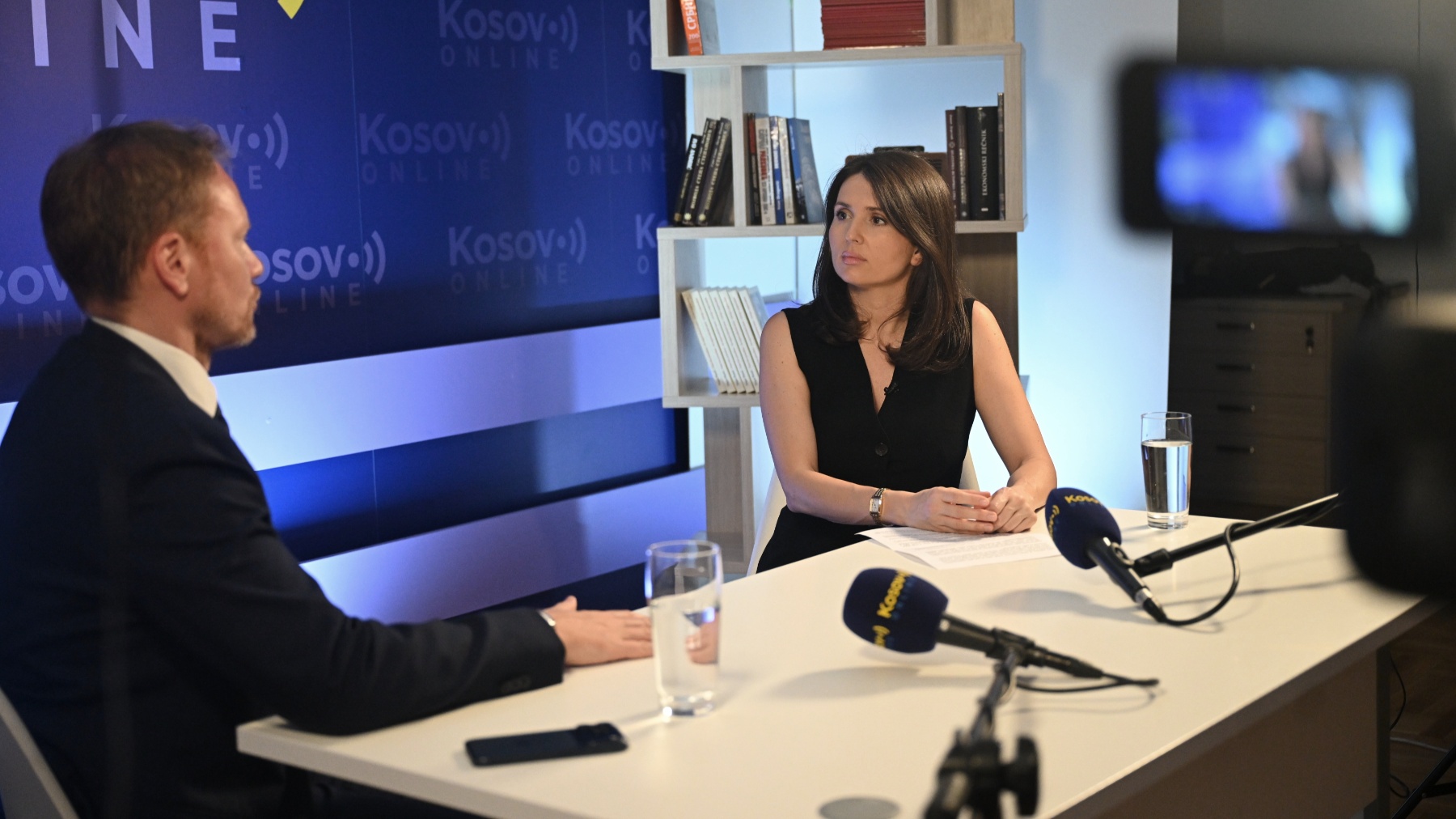
No one is really asking for Kosovo to be given up. This country retains its sovereignty by joining the European Union. You gain many more arguments and your voice is heard much more when you sit at the table in the EU than when you are in the audience, watching what is happening at that table. This is not giving up Kosovo for the sake of the European Union, but rather protecting the rights of citizens, primarily those of Serbian nationality, as well as other communities living in Kosovo, said Commissioner for the Protection of Equality Milan Antonijevic, appearing on the KOntext podcast.
He believes that Serbia's membership in the EU would help preserve the rights of Serbs throughout the region in the long term.
“These are issues that are addressed through European integration and the values it brings, above all security. I believe this is in the interest of every individual, especially those who are most vulnerable and who have made an enormous sacrifice by remaining in Kosovo,” Antonijevic stressed.
He noted that the European Union does not have a unified position on the recognition of Kosovo, but that there is broader agreement when it comes to protecting the rights of Serbs.
“I really do not see a single country there that could say that the rights of Serbs in Kosovo should not be protected. At every step, you can find partners if you explain the situation to them properly,” Antonijevic said.
Instead of a frozen conflict, the KOntext guest favours a frozen peace, which, he says, depends on continuing the dialogue.
“Above all, I hope that we will know who is sitting on the other side of that negotiating table and who can implement what is agreed. You have that in Belgrade. A great deal has been implemented, however difficult it may have been. That is why compromises were made when negotiating both vehicle licence plates and many other issues. It is not about agreeing to everything, but about agreeing to the normalisation of relations. You cannot spend forever dealing with putting stickers over certain things. That is merely simulating some kind of normality,” Antonijevic said.
The KOntext guest believes that Pristina's actions have lowered expectations regarding the formation of the Community of Serb Municipalities, but that Belgrade should continue to insist on the issue.
“It should be proactive, as it has been so far, sit at the table and come forward with documents that address specific issues concerning the rights of the Serbian community. And, of course, we should not forget the United States, which has its own special relationship with Kosovo, but has launched a strategic dialogue with Serbia. In other words, it did not launch one with Pristina,” Antonijevic said.
Speaking about the current situation, he addressed the demolition of Serbian houses and holiday homes in the Gazivode area, saying that such actions represent a serious departure from the principles of the rule of law.
“This is indeed a form of arbitrariness and a departure from the law. We are talking about the right to property and the basic principles of law. There are no final decisions ordering the demolitions, nor have the proceedings been concluded. A great deal remains under dispute,” Antonijevic said.
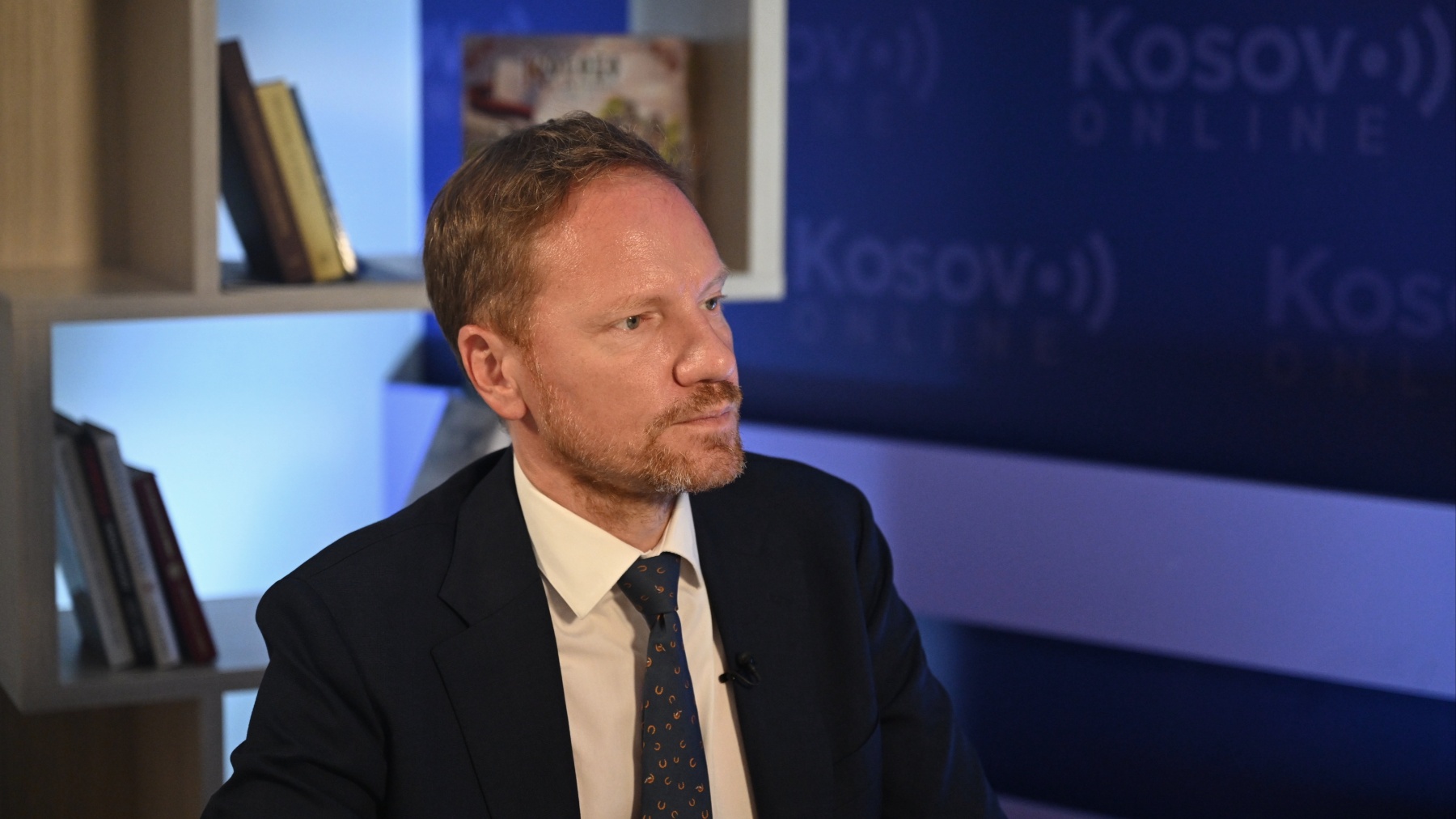


He believes that the families whose properties were demolished should persist in pursuing legal action and seek compensation, adding that he expects international pressure to help stop further demolitions.
“Legal action is necessary. Those conducting these proceedings should insist both on compensation and on stopping further demolitions. I am certain that the families will receive adequate legal protection,” Antonijevic said.
He pointed out that pressure is also evident when it comes to the exercise of religious freedoms, recalling the search of worshippers outside the Holy Archangels Monastery near Prizren.
“Searching children's strollers is truly pointless. We demand equal treatment, and that is why we are drawing the attention of the domestic and international public to all existing violations,” he said.
He noted that Serbian institutions are addressing EULEX, European institutions and international organisations, but believes that organisations dealing with human rights in Kosovo should respond more decisively.
“If you deal with human rights, you cannot be selective. You cannot decide whether to respond based on someone's nationality,” Antonijevic said.
You can watch the full interview with Milan Antonijevic in the accompanying video.
0 comments