
Vestments of Holy King Milutin displayed at church in Bostane: A return to the place where history was written
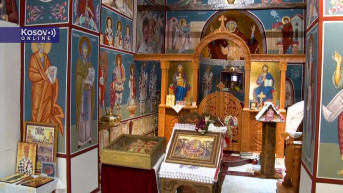
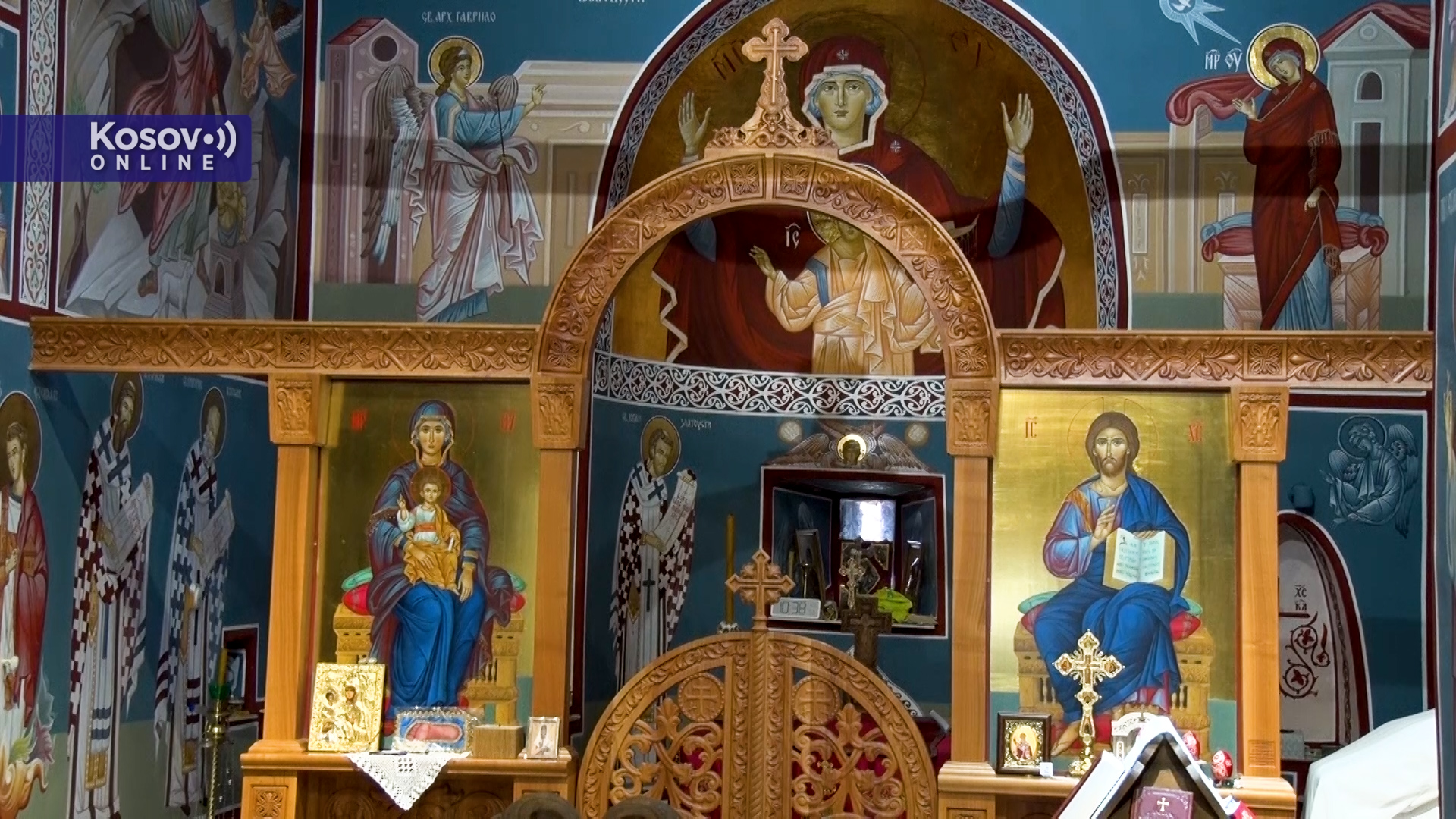
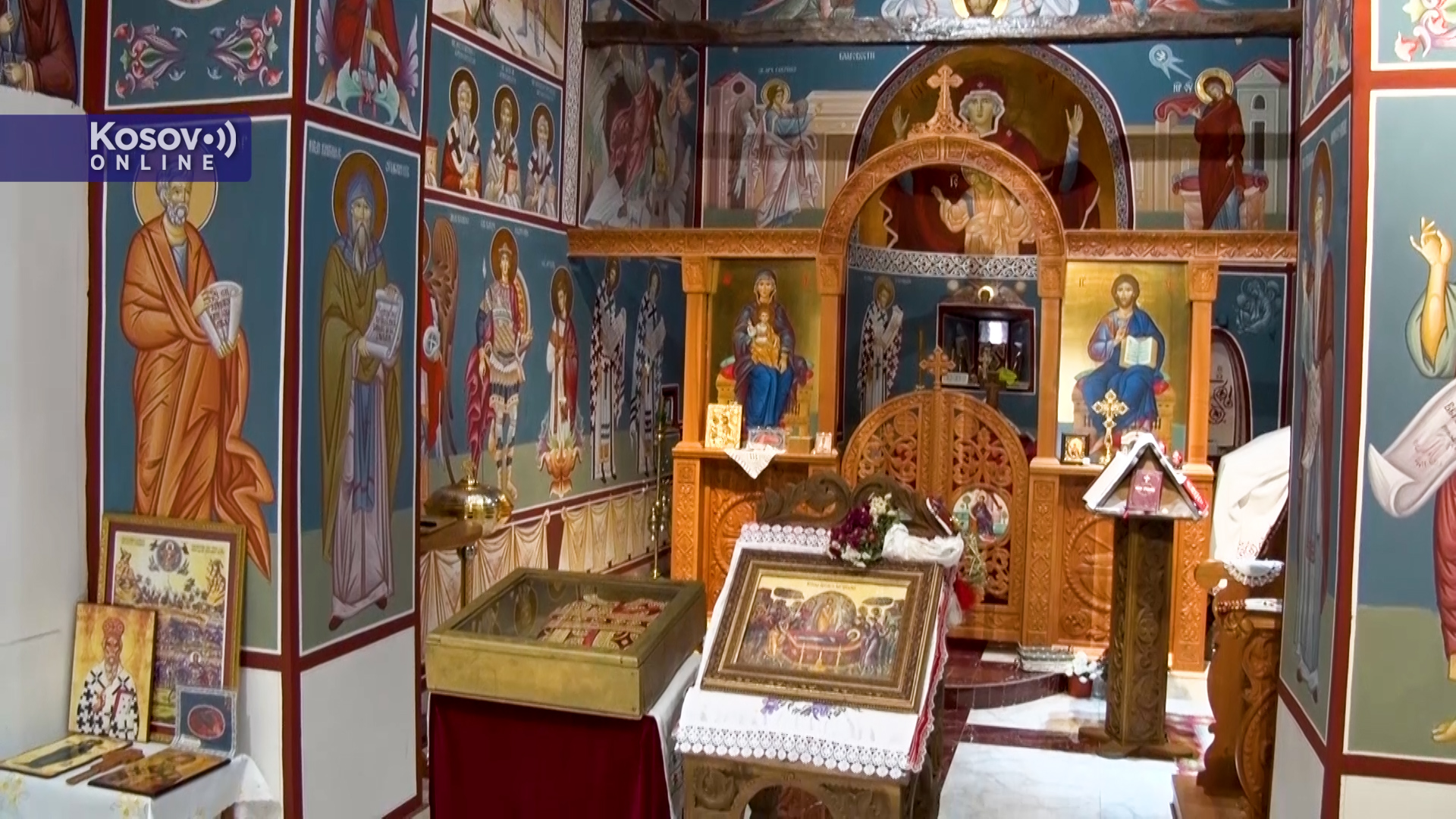
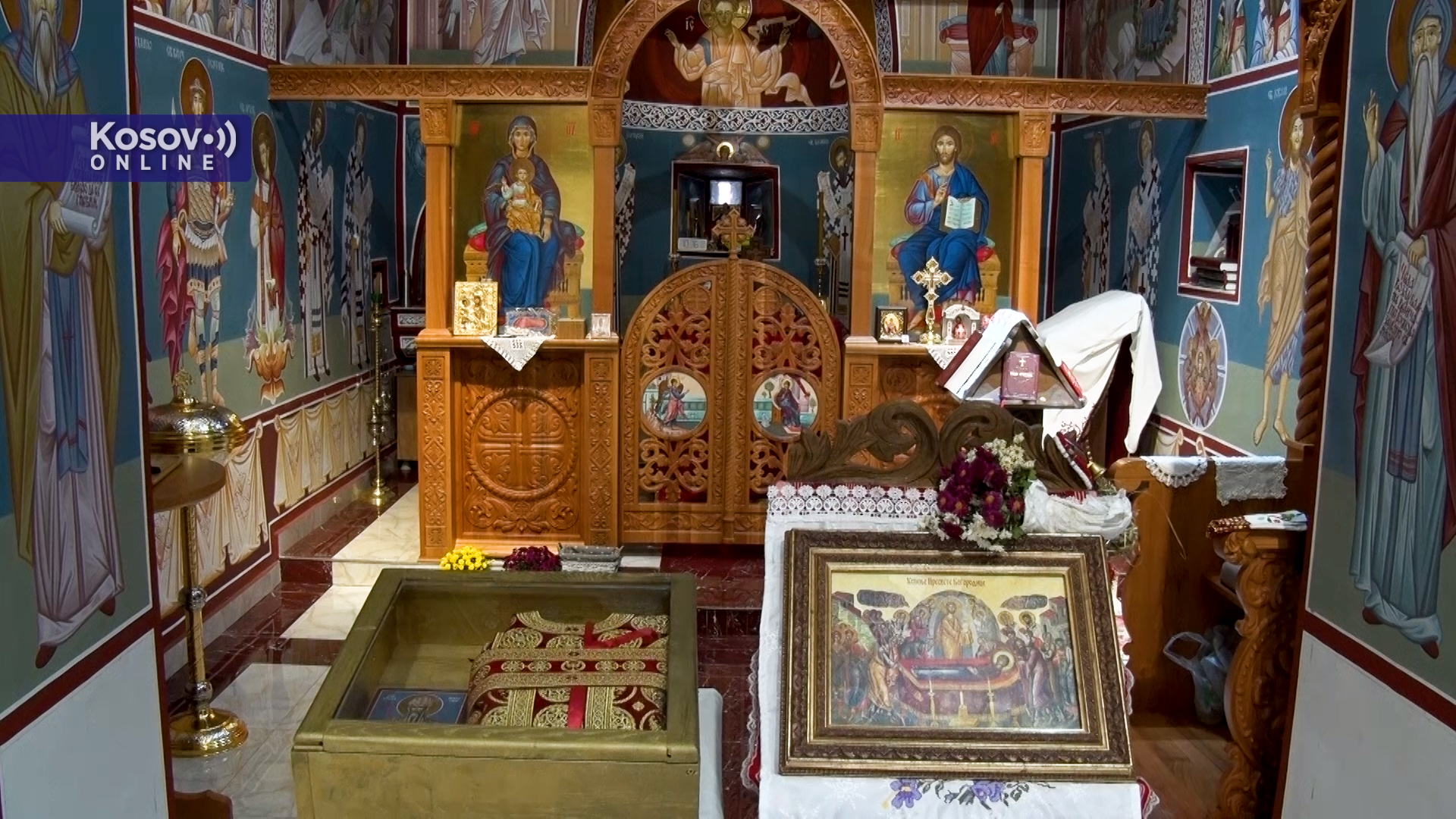
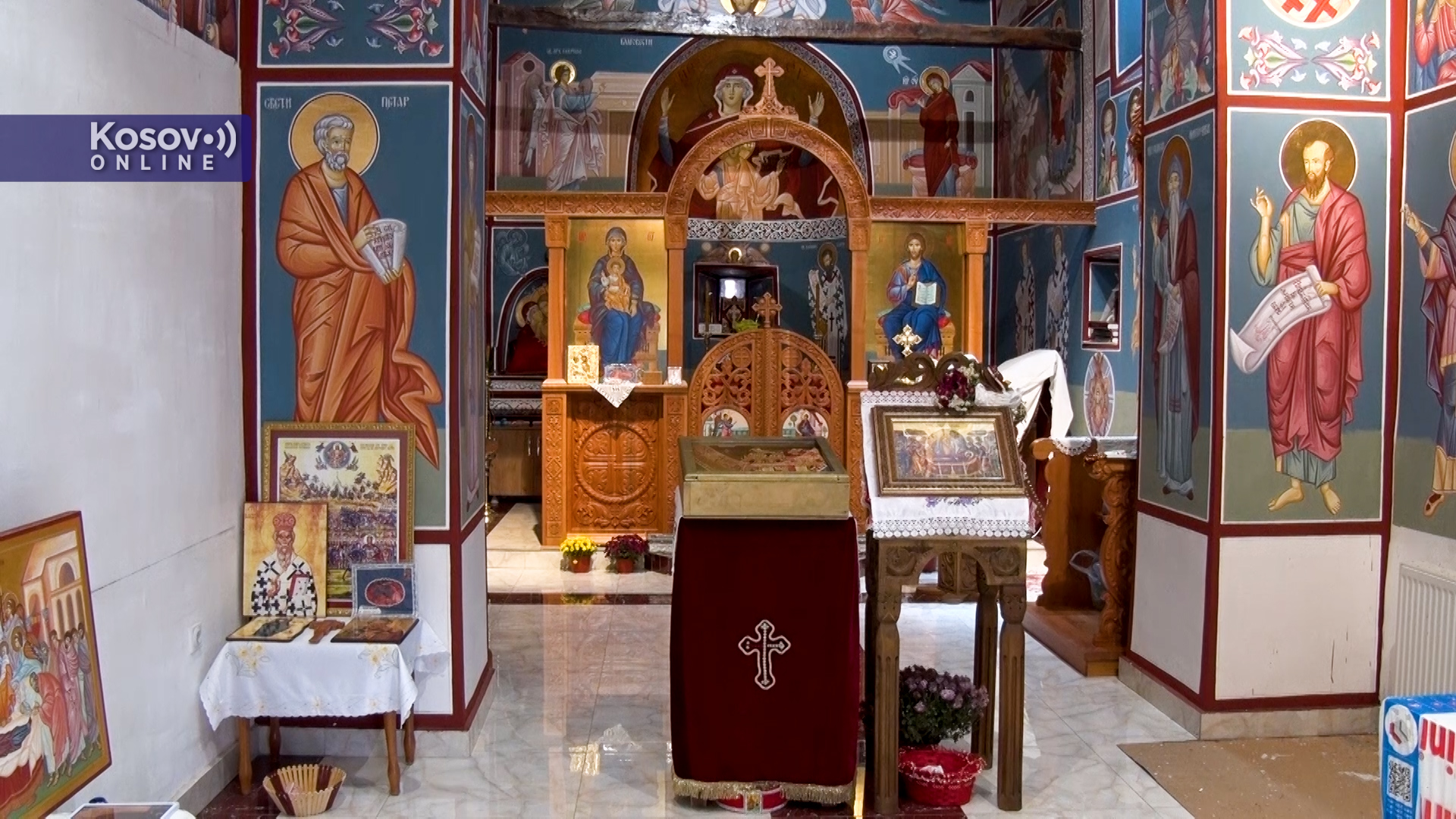
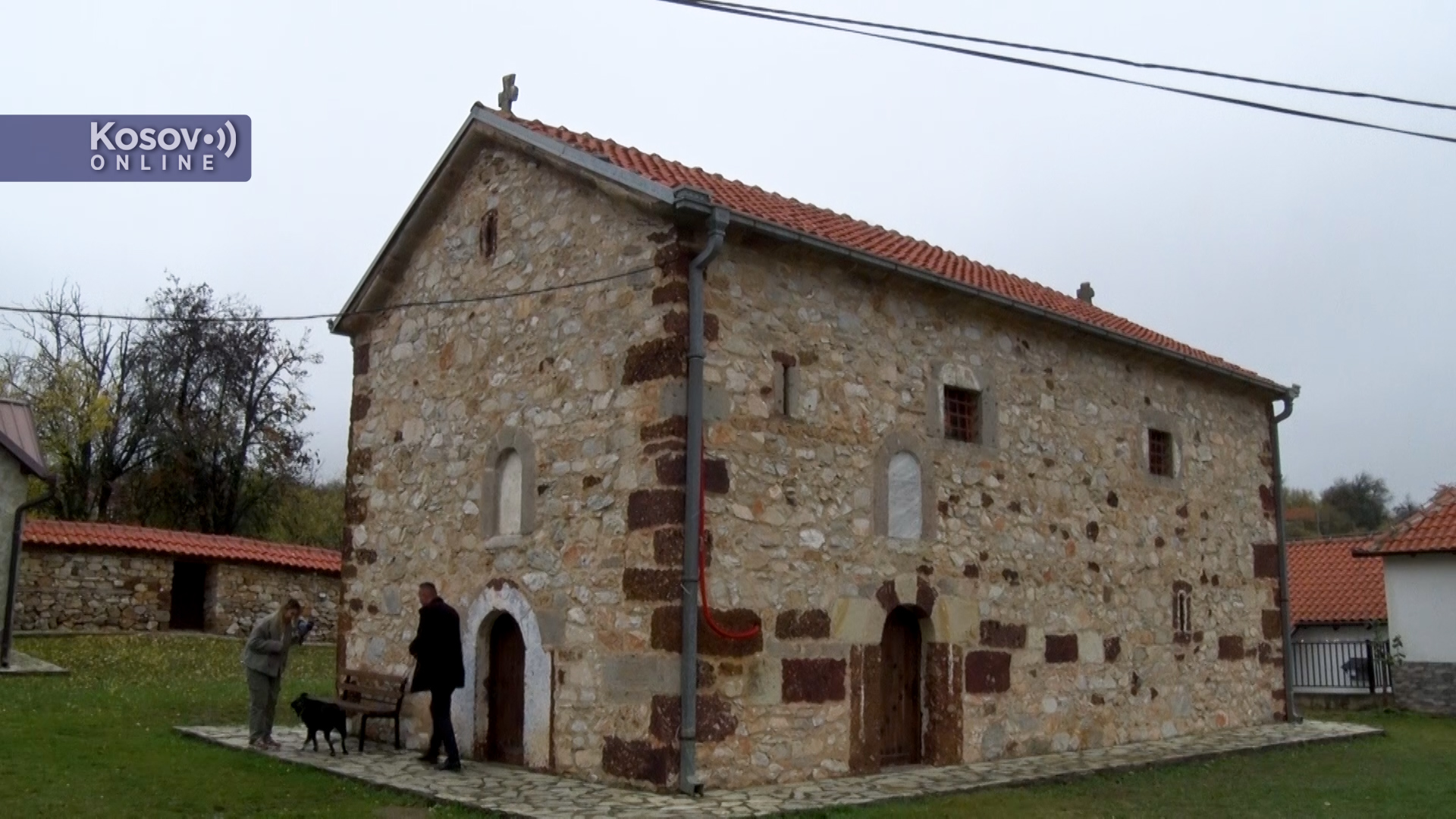
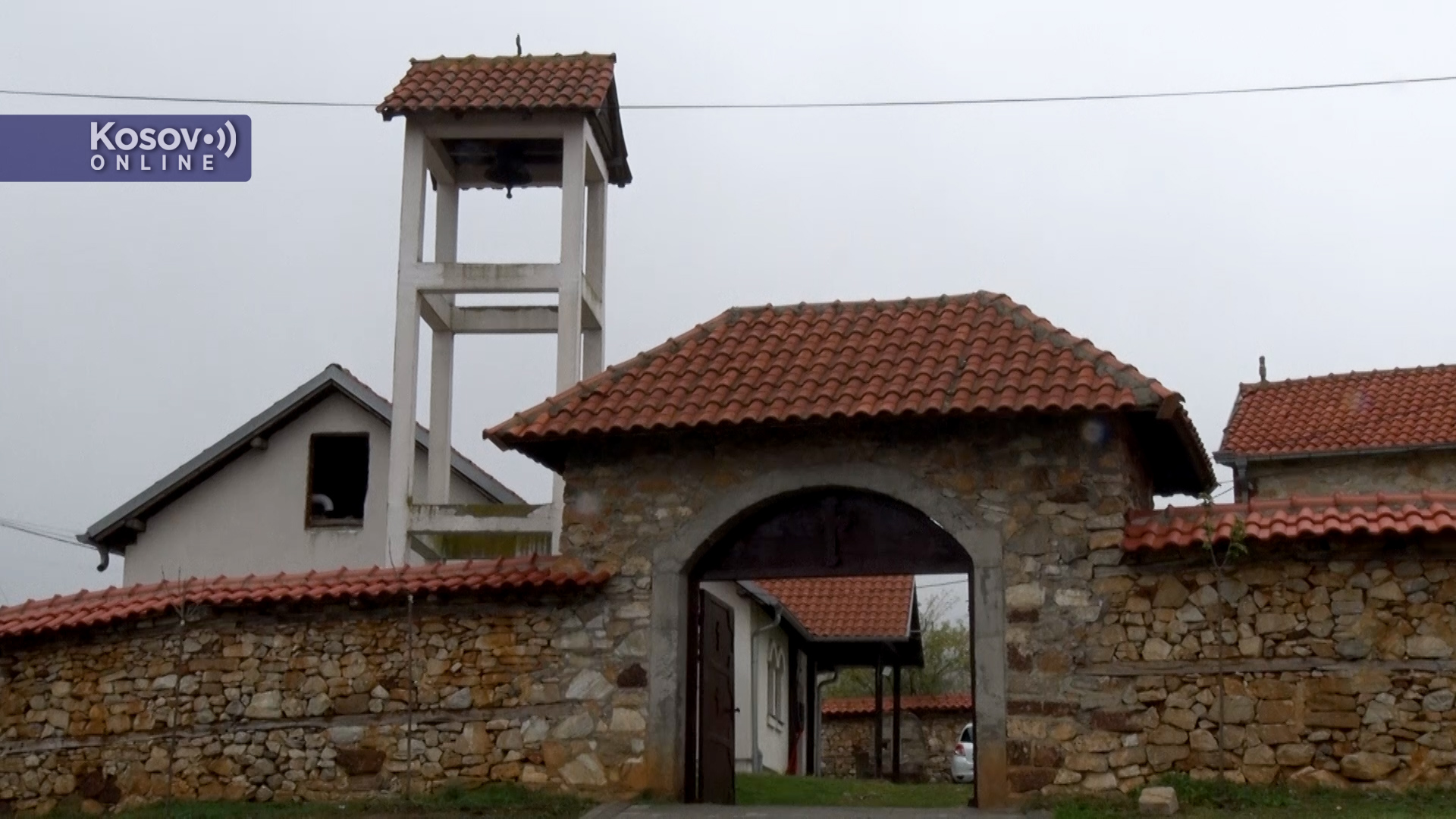
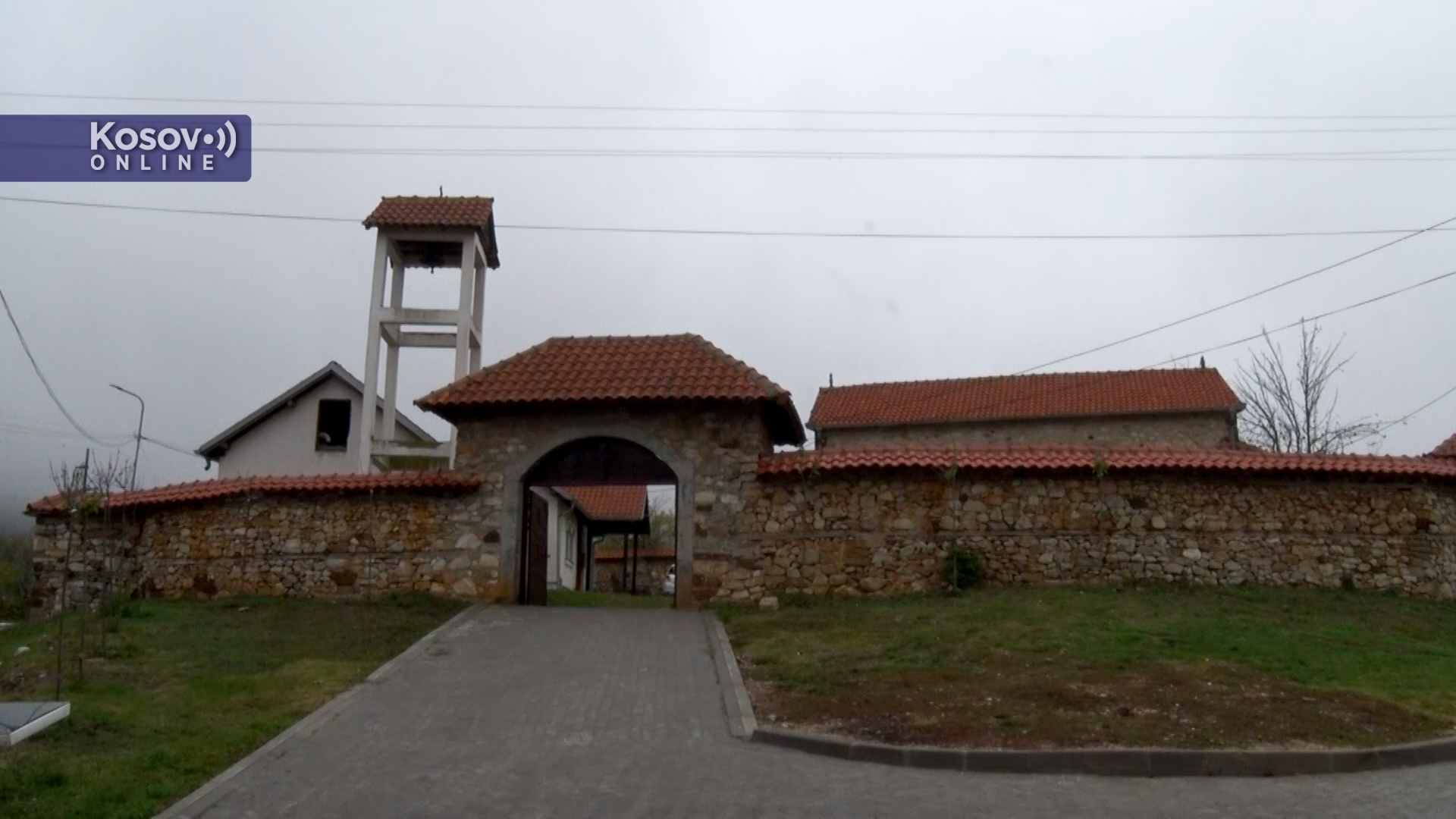
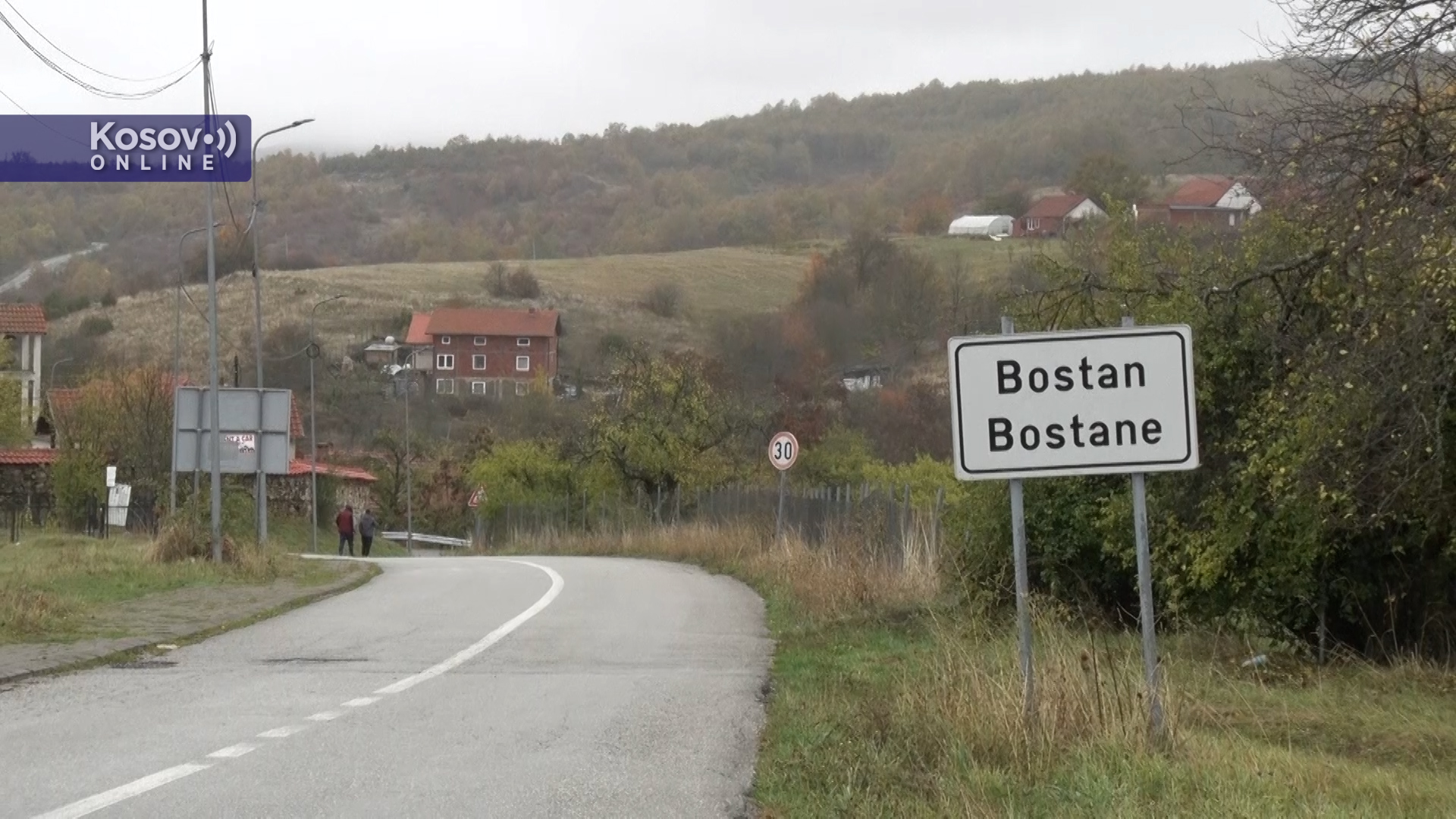
The vestments of Holy King Milutin, whose relics rest in the Church of St. Nedelya in Sofia, Bulgaria, have been placed on permanent display at the Church of the Dormition of the Most Holy Mother of God in Bostane, in the municipality of Novo Brdo. Father Stevo Mitric, parish priest of Novo Brdo, said that Novo Brdo, founded by King Milutin, contributed greatly to the development of Serbia at the time and that it was important that the king had, in a sense, returned to his city.
In the Orthodox tradition, clothing and objects that have come into contact with the relics of saints are venerated as sacred relics, in the belief that the saint’s grace is present through them. The faithful of the Novo Brdo parish therefore welcomed the vestments of Holy King Milutin with the belief that they would protect them and bring them peace and help in difficult times.
Father Stevo Mitric, the Novo Brdo parish priest, who received the blessing of Metropolitan Teodosije of the Diocese of Raska and Prizren to receive the vestments in Sofia, said that the Bulgarian people preserved and venerated Holy King Milutin.
“There was a large religious procession through the city. It is truly a wonderful event that takes place every year when the relics are vested in new garments,” Father Stevo said.
Asked about the significance of having the vestments in the church in Bostane for local believers, the parish priest noted that Novo Brdo had been founded by King Milutin and that the fact that vestments that had covered his relics were now displayed in this particular church was extremely important.
“This city was founded by King Milutin in 1285. They say that its construction was definitively completed at that time. Novo Brdo is closely associated with King Milutin, because it is believed that 70 percent of Serbia’s entire revenue at the time came from Novo Brdo. We people of Novo Brdo always like to say that every endowment built from the time of King Milutin onward was funded with money from here—that these mountains of ours provided everything of value. That is why it is important to us that the vestments are here, that the king is in his own city, and that through prayer we seek his support and blessing, both now and in the future,” Father Stevo said.
While historical records indicate that gold cutlery was once used in Novo Brdo, aspirations today are more modest. Father Stevo said that what mattered was helping others and showing hospitality.
“We do not aspire to eat with golden forks and spoons, as our ancestors once did, but rather to have golden and blessed souls that will help both friend and foe, as well as every visitor and traveler, and to demonstrate the generosity of our hospitality, which is characteristic of Kosovo and the Kosovo Pomoravlje region,” he said.
He added that although the Novo Brdo parish community was not large, believers frequently visited the church in Bostane.
“We have believers coming here and pilgrims visiting us every day. We also have guest accommodation here. People come every weekend and are interested in the town itself and the church here, as well as Draganac Monastery and every other holy site in Kosovo Pomoravlje. We are becoming a regular stop on the itinerary of pilgrims who come to Kosovo and Metohija on pilgrimage,” the parish priest said.
Historian Zivko Zivkovic said that the arrival of Holy King Milutin’s vestments in Bostane represented a return to the place where Serbian history had been written.
“Considering that the vestments have returned here after so many centuries, we can freely say that this represents a return to our roots, a return to the place where we began our history and then experienced the rapid rise that followed in subsequent decades, if not centuries. Nothing this significant has happened in our area for a very long time, and we hope that it will bring us abundant blessings,” the historian said.
He expressed satisfaction that, during this year’s changing of the vestments covering the relics of Holy King Milutin, the garments had been presented to the Church of the Dormition of the Most Holy Mother of God in Bostane, where the faithful can now venerate them, kiss them and pray before them.
Speaking about the church in Bostane, Zivkovic said that it had been built in the second half of the 19th century and consecrated by Patriarch Pavle himself.
“Believers come from Novo Brdo. Over the past two or three years, we have also seen large numbers of believers coming from Republika Srpska, Macedonia and Montenegro. Interest is growing. They also visit the nearby Draganac Monastery and the Church of St. Nicholas, and then continue toward Gracanica and other major holy sites. We can therefore say that this church has been receiving a considerable number of visitors recently,” Zivkovic said.
He also spoke about King Milutin’s relics, noting that the head and right hand had been separated from the rest of the relics.
“When we speak about King Milutin’s relics, one interesting fact is that the head and right hand are missing—that is, they have been separated from the rest of the relics. There is a popular belief that the Turks did this, removing the head because it symbolizes wisdom and the right hand because it symbolizes strength,” Zivkovic explained.
According to Zivkovic, when Bulgarian communists attacked the Church of St. Nedelya in Sofia in an explosion that killed almost 200 people, the relics of Holy King Milutin remained undamaged.
“In 1925, Bulgarian communists carried out a major attack on the church for political reasons. They planted explosives in the church attic. The explosion killed more than 200 people, mostly members of Bulgaria’s political leadership at the time, and debris also fell onto the reliquary containing King Milutin’s relics. Yet, miraculously, the relics remained undamaged, which leads us to believe that King Milutin was not canonized by the Church without good reason. He was a great benefactor and builder. During his 39-year reign, he built the same number of churches and monasteries,” the historian said.
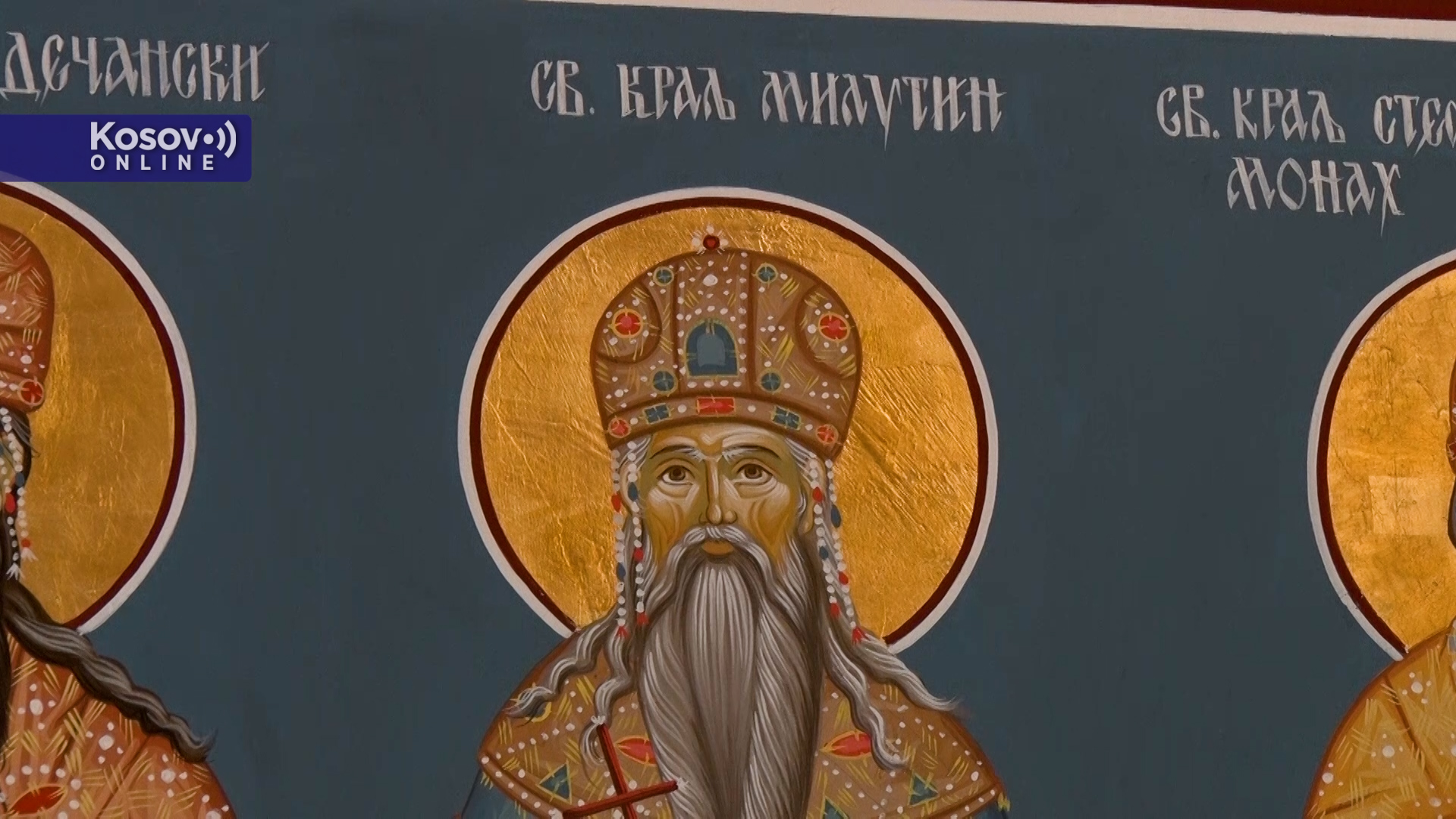
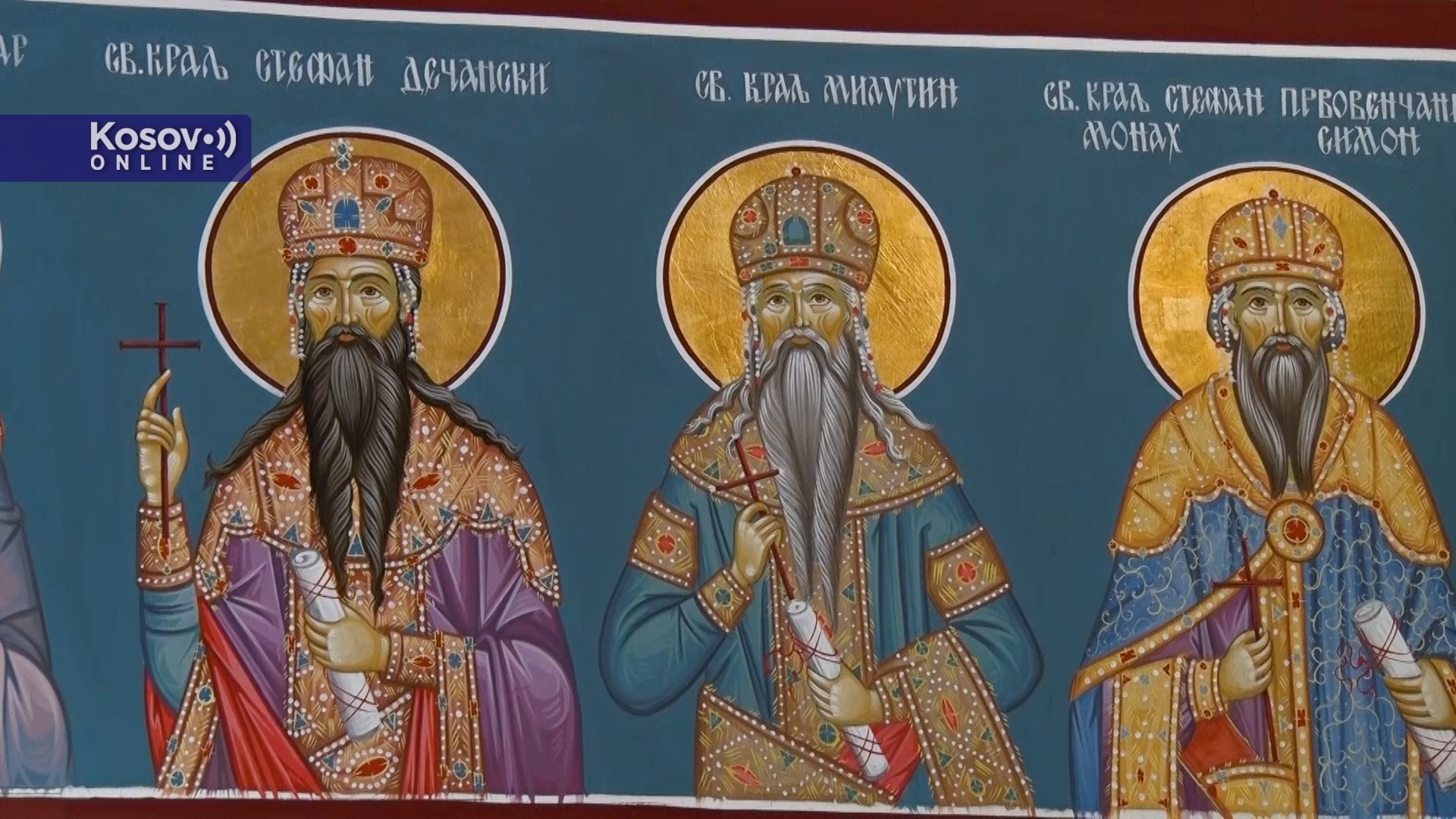
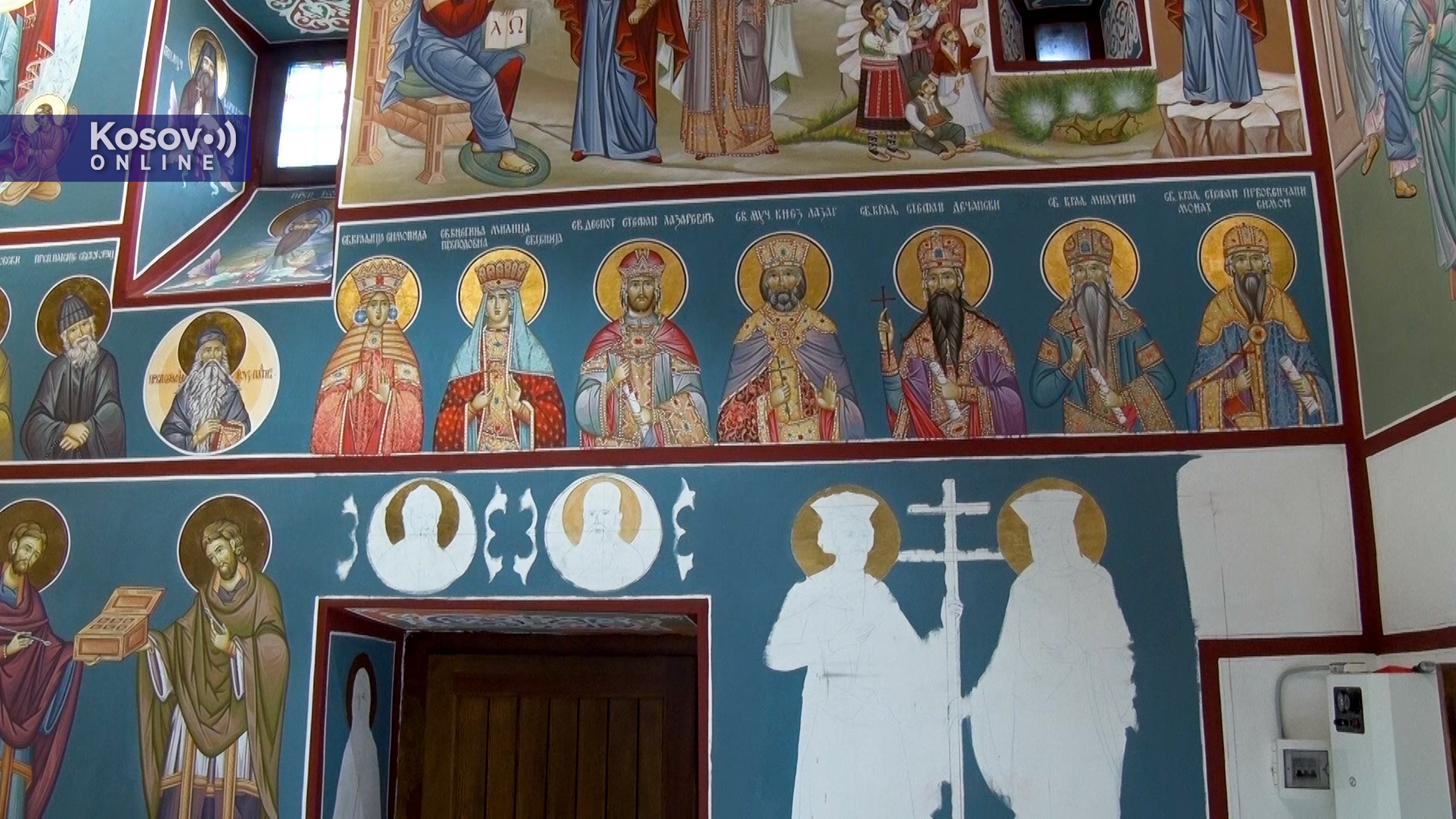
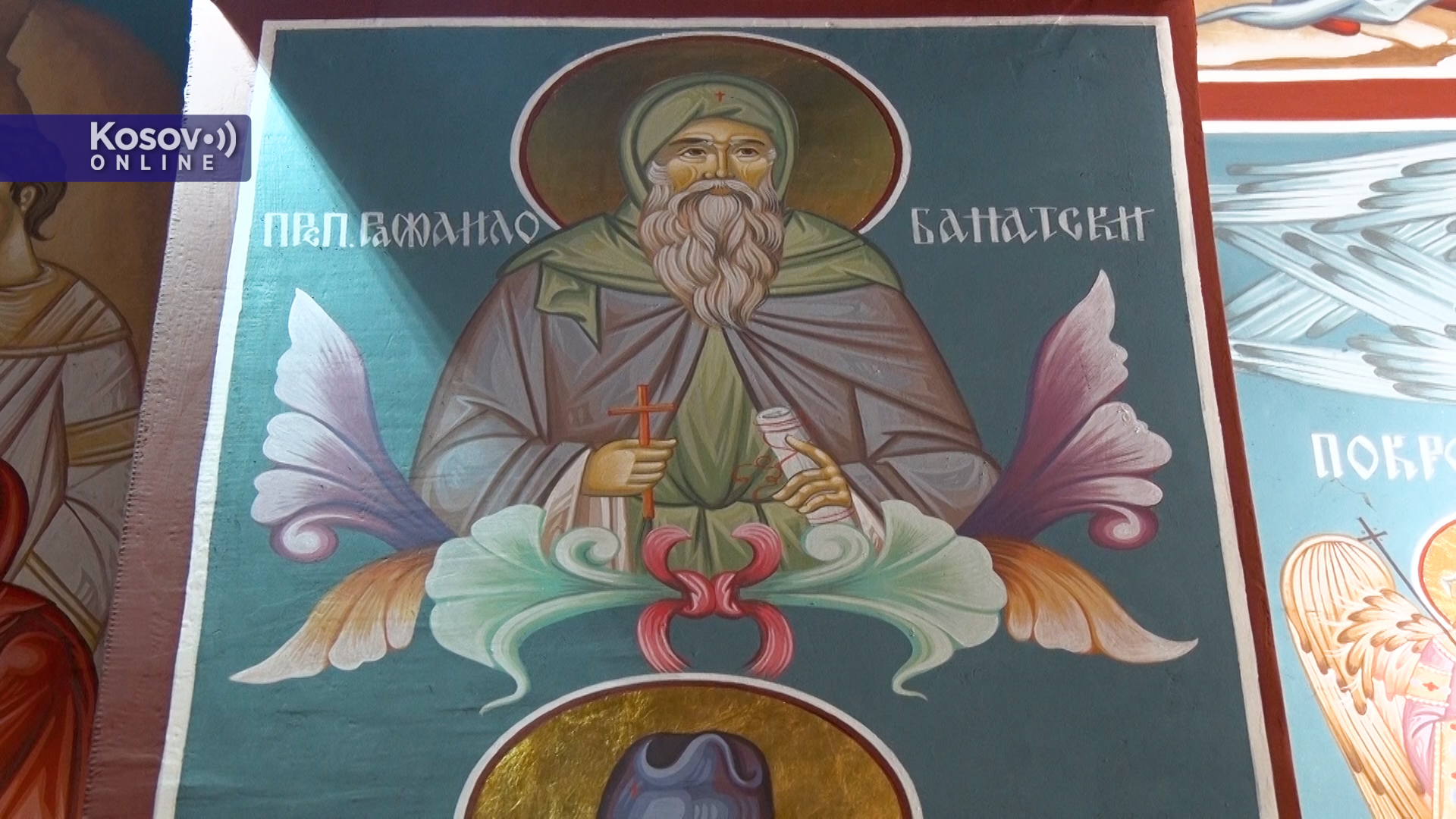
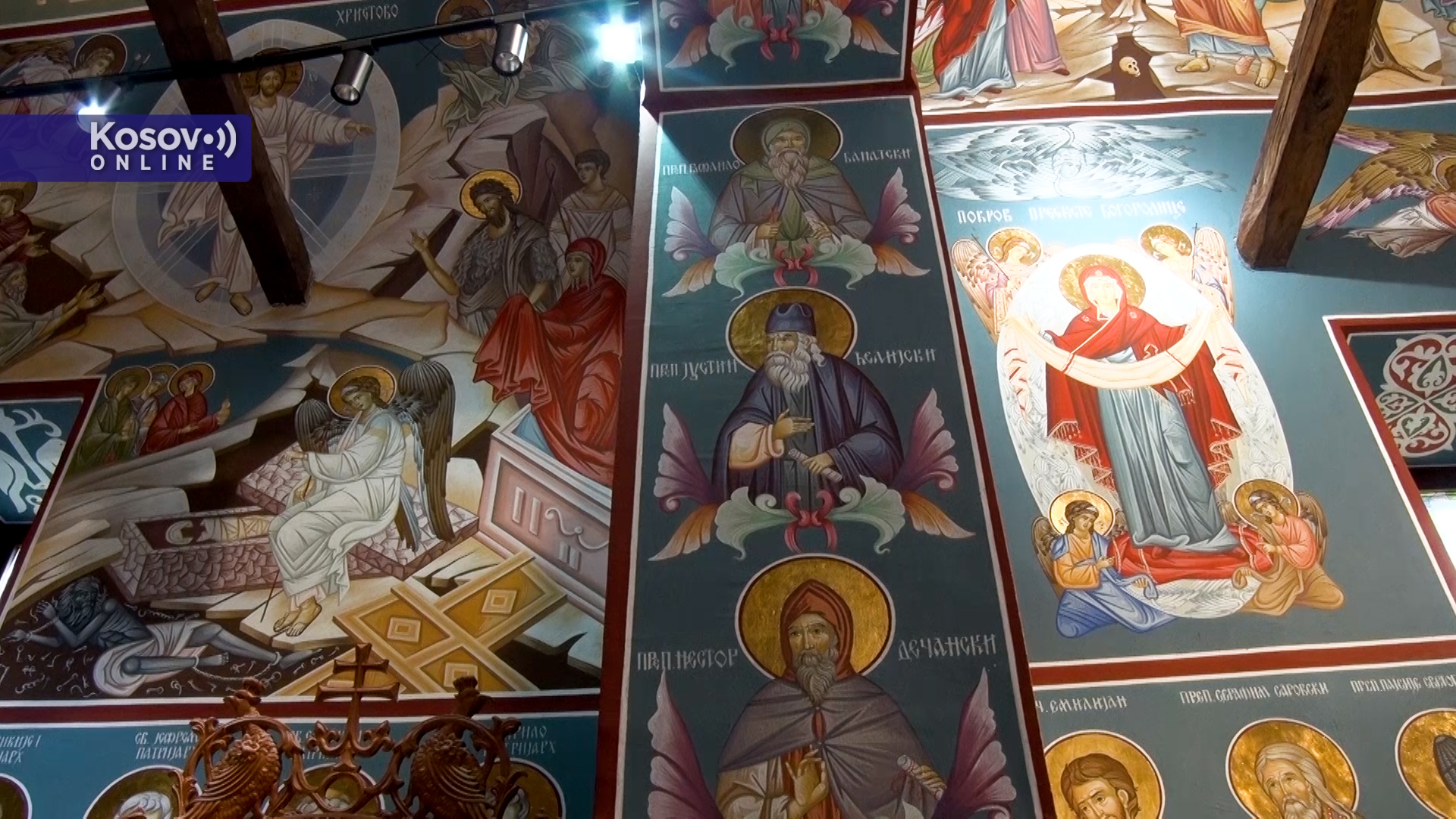
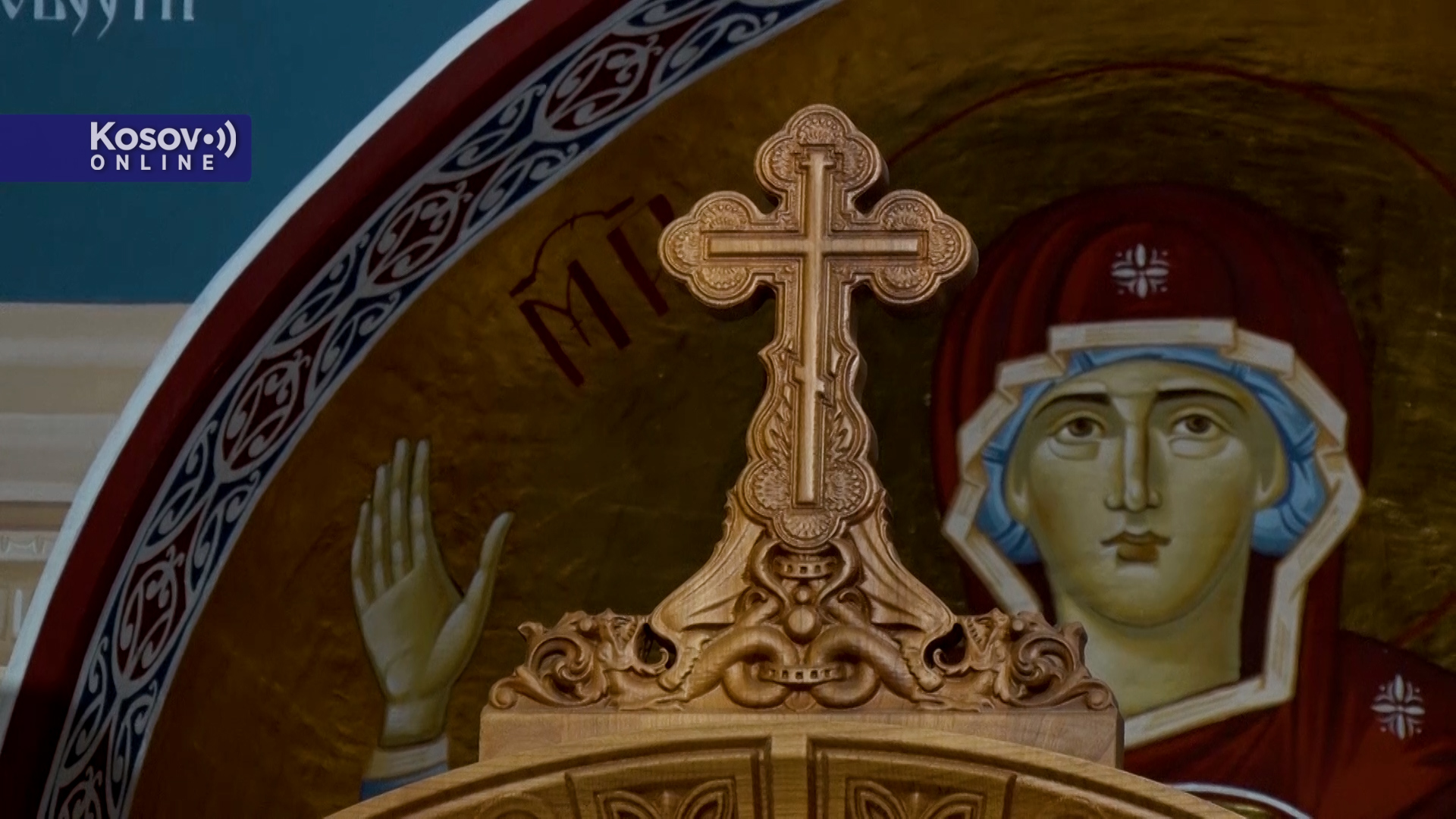


King Milutin is remembered as the greatest patron and founder of religious endowments in Serbian medieval history.
He built numerous holy sites, the best known of which include Gracanica Monastery, Banjska Monastery, the Church of the Virgin of Ljevis, the King’s Church at Hilandar Monastery, and many others.
He died on October 29, 1321, in Nerodimlje near Urosevac and was buried in his funerary church at Banjska Monastery. Following the Battle of Kosovo, his relics were transferred to the Monastery of St. George in Trepca, and around 1460 they were taken to Bulgaria. It was not until the 18th century that the relics were permanently enshrined in the Church of St. Nedelya in Sofia.
The solemn ceremony of changing the vestments covering the relics of Holy King Milutin takes place every year on October 29.
Following the solemn Divine Liturgy and the changing of the vestments, a large religious procession carrying his holy relics is traditionally held through the streets of Sofia. Vestments of Holy King Milutin have so far been placed on display at Gracanica Monastery and at churches in Babin Most and Milosevo.

comments