
Families of missing and kidnapped Serbs from Kosovo: We expect a conviction against Thaçi
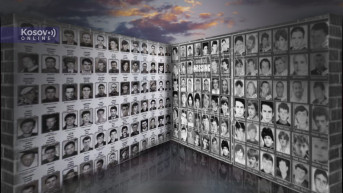
Families of kidnapped and missing persons from Kosovo expect a conviction against Hashim Thaçi and others before the Kosovo Specialist Chambers in The Hague, as well as the initiation of new criminal proceedings thereafter to clarify the fate of all Serbs who suffered in Kosovo both before and after the deployment of the KFOR and UNMIK missions, said the legal representative of the Association, attorney Slavisa Vuksanovic, as reported by Radio Television of Serbia.
“We expect a conviction from the Court. We expect official recognition of the suffering endured by the families of the kidnapped and missing during 1998, 1999 and 2000. We demand and expect that the judgment will clarify the circumstances under which our closest relatives were killed, tortured and disappeared,” Vuksanovic told RTS.
He added that the families closely followed the trial of Thaçi and others, including the closing arguments of the prosecution and the defense, expressing hope that the proceedings will contribute to shedding light on the fate of the remaining missing Serbs from Kosovo.
“We expect that through the proceedings and the testimonies of victims, new information will emerge regarding the locations of the remaining graves or the fate of those who are still listed as missing,” Vuksanovic emphasized.
He described the proceedings against Thaçi and others as “complex and lengthy,” stressing that the families seek “the right to truth and justice.”
At the same time, he expressed confidence that the truth may also emerge through a separate criminal proceeding against Thaçi for witness intimidation, which is scheduled to begin at the end of February.
“In the criminal proceedings it has been established that crimes were committed against at least 407 detainees in 42 camps located in Kosovo and Metohija and in Albania. The fact that proceedings have also been initiated for witness intimidation works in our favor. The new trial is expected to begin on 27 February,” Vuksanovic stated.
According to announcements, the verdict in the war crimes case against Thaçi and others is expected within three months. However, Vuksanovic believes this timeframe could be extended due to the complexity of the case.
He emphasized that families of the missing and kidnapped from Kosovo expect new criminal proceedings to be initiated against other individuals from the former Kosovo Liberation Army (KLA) who bear responsibility.
“In that way, families who did not participate in this criminal proceeding and who were not granted victim status could also receive a form of satisfaction,” he noted.
Commenting on the course of the proceedings before the Specialist Chambers, Vuksanovic stated that it remains entirely unclear why events in Albania, including the so-called “Yellow House” case—where, according to the report of Dick Marty and the indictment, many abducted persons were allegedly transferred from Kosovo—have not been fully clarified.
He recalled that the proceedings against the so-called “Drenica group” were based precisely on Marty’s report, which mentioned camps in Kukës, Fushë-Krujë and near the airport in Durrës.
“It is completely unclear why the issue was not raised regarding what happened to the Serbs and other individuals who were tortured, kidnapped and allegedly had their organs removed, and who ended up in the Republic of Albania. It is known that the former Serbian war crimes prosecutor, Vladimir Vukcevic, held talks with representatives of the Albanian prosecution, but unfortunately no concrete findings emerged. Most likely because Albania is attempting to distance itself from this case and does not wish to be associated with the war events of 1999,” Vuksanovic assessed.
According to data from the Association of Families of Kidnapped and Missing Persons from Kosovo and Metohija, the fate of 562 persons remains unresolved.
Most disappearances occurred during the period covered by the mandate of the Specialist Chambers, which includes crimes against humanity, war crimes and other criminal offenses committed between 1 January 1998 and 31 December 2000.
Among those still missing is Vuksanovic’s father, Mile, who disappeared on 2 April 1999 on the Urosevac–Stimlje road, in the village of Trn. He was abducted in an official vehicle marked with the Red Cross emblem.
According to the Association’s data: From 1 January 1998 to 23 March 1999, 144 Serbs went missing; the remains of 66 have been found. During the NATO bombing, from 24 March to 9 June 1999, 108 Serbs disappeared; the remains of only 33 have been recovered. In the period from 10 June 1999 to 27 December 2000, 701 persons went missing; 281 have been identified so far, while the fate of the others remains unknown, although these events occurred during the time when KFOR and UNMIK exercised de facto control in Kosovo.
Before the Kosovo Specialist Chambers in The Hague, closing arguments began on 9 February in the trial of four former KLA leaders — Hashim Thaçi, Kadri Veseli, Jakup Krasniqi and Rexhep Selimi — who are charged with war crimes and crimes against humanity.
Chief Prosecutor Kim West stated in her closing argument that witness testimony and evidence presented during the proceedings confirmed that crimes were committed and that the accused bear responsibility. She requested that the Court find them guilty on all 10 counts of the indictment and impose unified sentences of 45 years’ imprisonment on each.



0 comments