
Abazovic's 48 hours in Kosovo: What are the key messages and will he be listened to regarding the Serbian Orthodox Church?
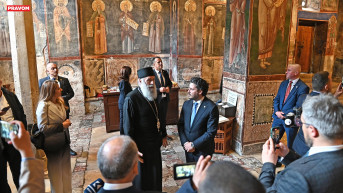
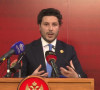
During the first, two-day official visit to Kosovo, the Prime Minister of Montenegro in technical mandate, Dritan Abazovic, sent several important messages about the importance of the agreement between Belgrade and Pristina for the entire region and offered "good services" when it comes to dialogue and solving the issue of the Serbian Orthodox Church in Kosovo according to " the Montenegrin model", according to the interlocutors of Kosovo Online. Whether they will listen to him in Pristina, they add, is a completely different question.
They point out that Abazovic's visit was obviously carefully timed after the changes at the head of Montenegro, the departure of Milo Djukanovic, and the election of Jakov Milatovic as the new president. In this context, they say, Abazovic's messages that Montenegro's policy towards Kosovo's independence will not change, as well as his promise to support Pristina when it comes to Kosovo's membership in international organizations, should be interpreted.
It seems that every "stop" of Abazovic's visit to Kosovo was planned even more carefully. Thus, in the 48 hours he spent in Kosovo, Abazovic met with key political actors, including Prime Minister Albin Kurti and President Vjosa Osmani, but also with representatives of the opposition and minority communities. He also arrived at the KFOR headquarters, where he discussed security and the participation of Montenegrin soldiers in this mission with Commander Angelo Ristuccia. He also visited the Carsi Mosque, the Cathedral of Mother Teresa, and the Peja Patriarchate. Even the hosts did not deny him a warm welcome, so in Pristina, he was presented with the "key to the city" and the title of honorary doctor of science.
Abazovic is comfortable in regional politics; Kurti does not know enough about Montenegro
Regarding the timing of Abazovic's visit to Kosovo, political scientist Vladimir Pavicevic tells Kosovo Online that it was viewed more in the light of Kurti's support for Milo Djukanovic, who recently lost convincingly in the presidential elections.
"It seems that during the visit to Pristina, Abazovic was comfortable, confident in his political path, that he knew regional conditions, while with his messages of support for Milo Djukanovic, Kurti showed that he did not know enough about Montenegro. In that sense, Abazovic was certainly happier with the date that was set for the visit to Pristina. I would like to remind you that one of Abazovic's first visits when he assumed the post of Prime Minister was to Belgrade, right at the beginning of his government's mandate. In Montenegro, that visit to Belgrade is still commented on as a turning point in the positive sense of improving relations between Serbia and Montenegro," Pavicevic believes.
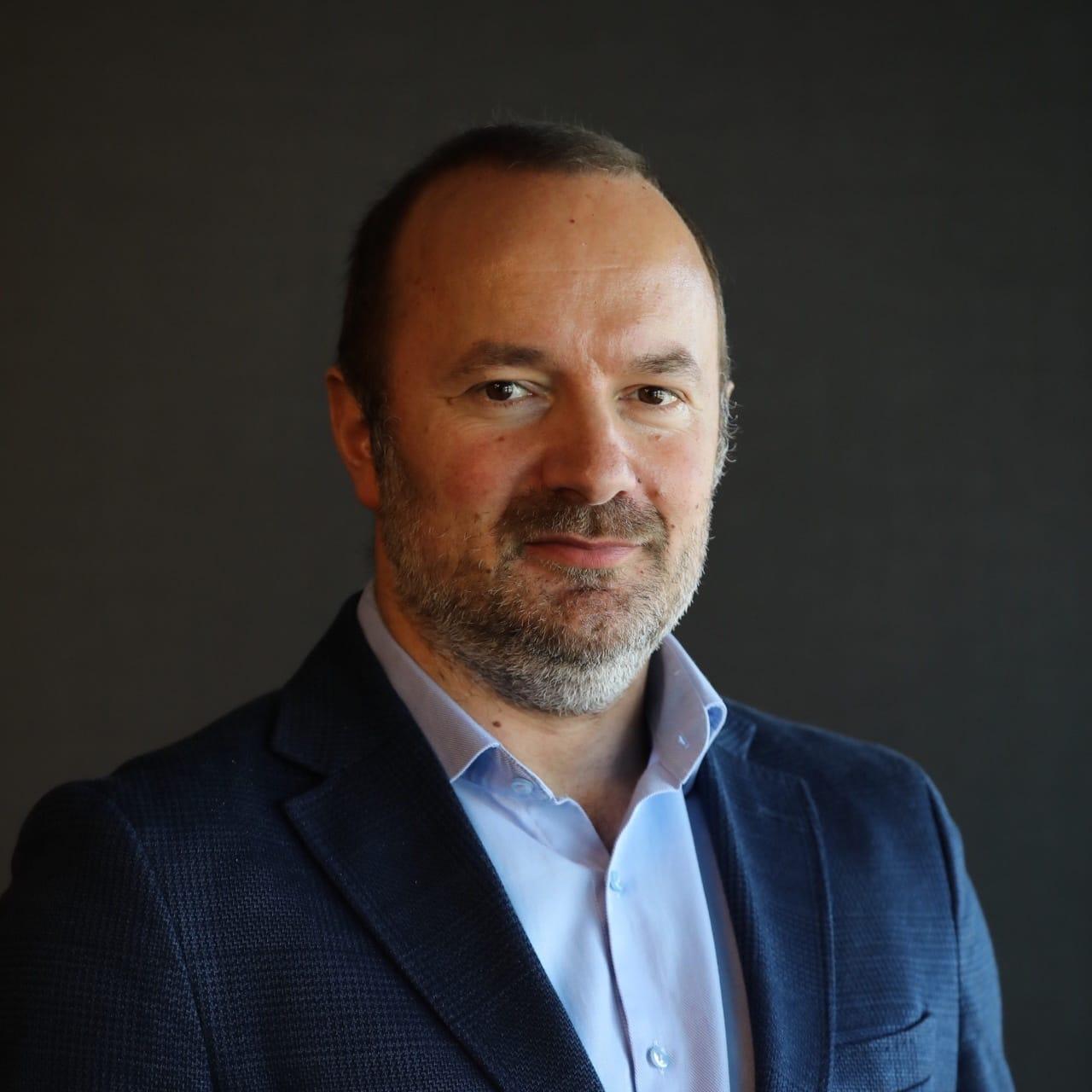
When it comes to the position of the Serbian Orthodox Church in Kosovo, Pavicevic notes that Dritan Abazovic, on behalf of the Government of Montenegro, signed the Fundamental Agreement with the Serbian Orthodox Church, which resolved the issue of the status of this religious community in Montenegro.
"It was resolved so that both the state of Montenegro and the Serbian Orthodox Church are satisfied with the contents of that document. There is no doubt that the issue of the position of Serbian monasteries in Kosovo and Metohija is very, very important. Both the monasteries and the Serbian Orthodox Church as a whole. I also think that It's good that the issue is being treated more and more in the public, and I think it's useful that Abazovic spoke openly about this issue," Pavicevic points out.
When asked whether he would listen to Abazovic in Pristina regarding the SOC, Pavicevic notes that “Abazovic's reflection on the Serbian Orthodox Church in Kosovo and Metohija is rational."
"As far as I can see, the international representatives have the same approach. The sooner such a view about the SOC in Pristina starts to be treated as the most relevant, the better it will be for all parties who are interested in this dialogue. I believe that, regardless of the obstacles, it will go in that direction," Pavicevic believes.
During his visit to Kosovo, Abazovic, in a meeting with the leader of Pristina, insisted on the importance of reaching an agreement between Belgrade and Pristina, not failing to send a message that regardless of the changes at the head of Montenegro, with the arrival of the new president, Jakov Milatovic, there would be no change in the country's policy towards Kosovo's independence. He also pointed out that if the open issues between Serbia and Kosovo "are not resolved with Aleksandar Vucic, it will take a long time".
"Regardless of what I think, Vucic has great political stability in Serbia and whoever comes after him will be very difficult, for some historical issues in a political sense," he said and added that waiting did not suit either side,” Abazovic was clear.
Regarding Abazovic's comment on the negotiations between Belgrade and Pristina, Pavicevic says that the key message from the officials who speak about Kosovo on behalf of the authorities in Montenegro is that it is important to ensure continuous dialogue.
"The essence is, therefore, that there is dialogue and that there is patience in that dialogue. And of course, Montenegro can and wants to welcome and support any agreement or solution or compromise regarding the Kosovo issue. I would always put Abazovic's visit and statements of other Montenegrin officials on the Kosovo issue, in the context of such a defined approach to the subject. I think that during his visit to Pristina, Abazovic particularly emphasized the importance of dialogue," our interlocutor says.
The region needs quick solutions, but not at the expense of quality
The adviser of the Montenegrin Prime Minister Abazovic, Sergej Sekulovic, who was also a member of the work team of the Government of Montenegro for the drafting of the Basic Agreement with the SOC, tells Kosovo Online that at the moment he cannot say whether Pristina will listen to Abazovic's words that "the agreement reached with the SOC in Montenegro, will be a model that Kosovo can implement 'without problems'".
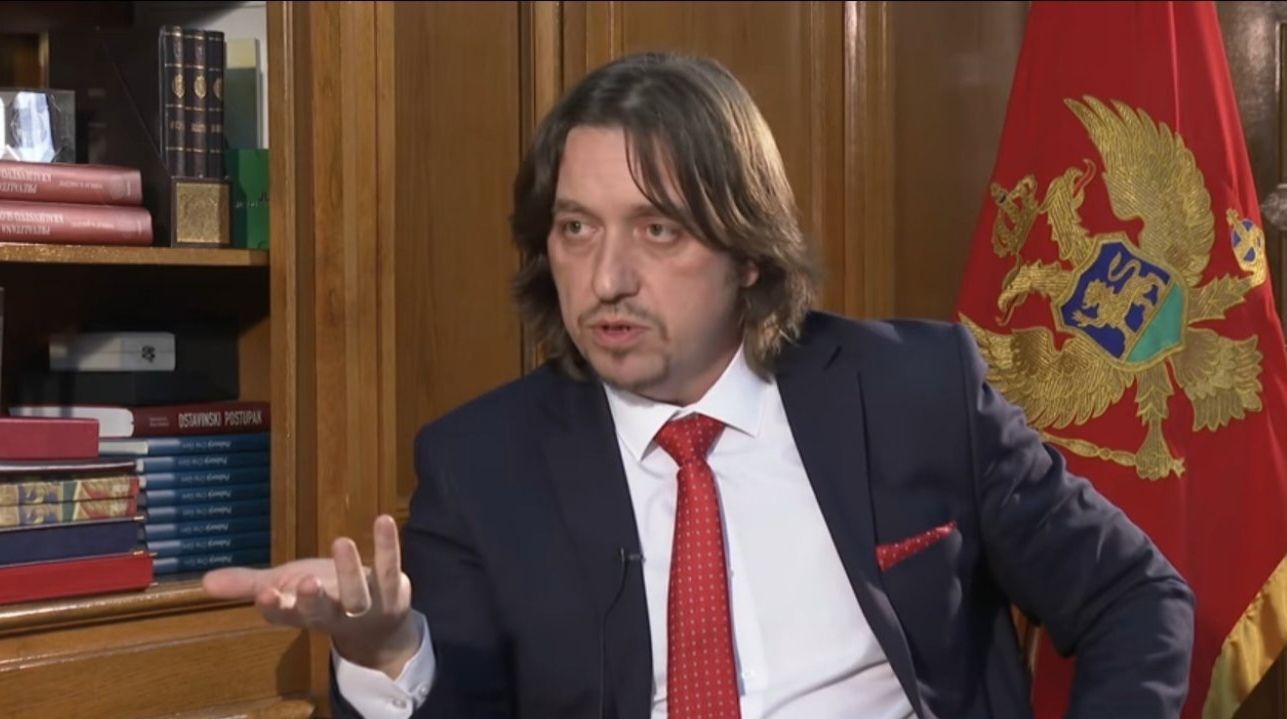
"The region needs quick solutions, but not at the expense of quality. When there is a good intention, then models are found that will be confirmed by practice, that is, everyday life. In this sense, the presentation of possible solutions should primarily be interpreted," Sekulovic says.
He emphasizes that Prime Minister Abazovic's visit to Kosovo is a confirmation of the clear regional policy of the Government of Montenegro, which is based on building the best possible relations in the region and the Government's intention to, in accordance with its capacities, be a bridge of cooperation and a benevolent neighbor that helps to find compromise solutions which should lead us all forward.
"It is certainly good that complicated political processes are led by political elites who have strong legitimacy and are capable of seeing the process through to the end. Prime Minister Abazoviccc clearly sees room to find compromise solutions that will bring us as a region closer to European integration and a better life, which at the same time enable the protection of the interests of both parties," Sekulovic notes.
He adds that in that context should Abazovic's visit to Kosovo be interpreted as a well-intentioned attempt to speed up the process and to show that there is room for an agreement, because, says Sekulovic, we are the closest to each other and together we can do great things.
He made it clear to the leaders in Pristina that the persecution of the Serbian Orthodox Church was not a good way to go
Historian and analyst of the Center for Social Stability Srdjan Graovac Abazovic's message that he sent in Pristina regarding the SOC, that the model applied in Montenegro should be a model for them, considers good and positive.
"Regardless of the fact that Abazovic starts from the point of view that Kosovo is independent and that from that position the same principle should be applied when it comes to the status and position of the SOC in the southern Serbian province, what the Montenegrin Prime Minister said should be welcomed. Abazovic understands what the Albanians in Kosovo and Metohija want to do, and what Milo Djukanovic tried to do in Montenegro, and that is to put the SOC under their control, under the control of the authorities in Pristina, to seize the monasteries, churches, and property of the SOC, that this is something that is an uncivilized act and certainly not acceptable. Essentially, Abazovic made the Albanian leaders aware that this was not a good path and that the SOC could not and must not be exposed to this kind of persecution, and that its status must be protected. Of course, we do not agree on what status a southern Serbian province had, but in any case, we agree that the status of the Serbian Orthodox Church cannot be questioned," Graovac says.
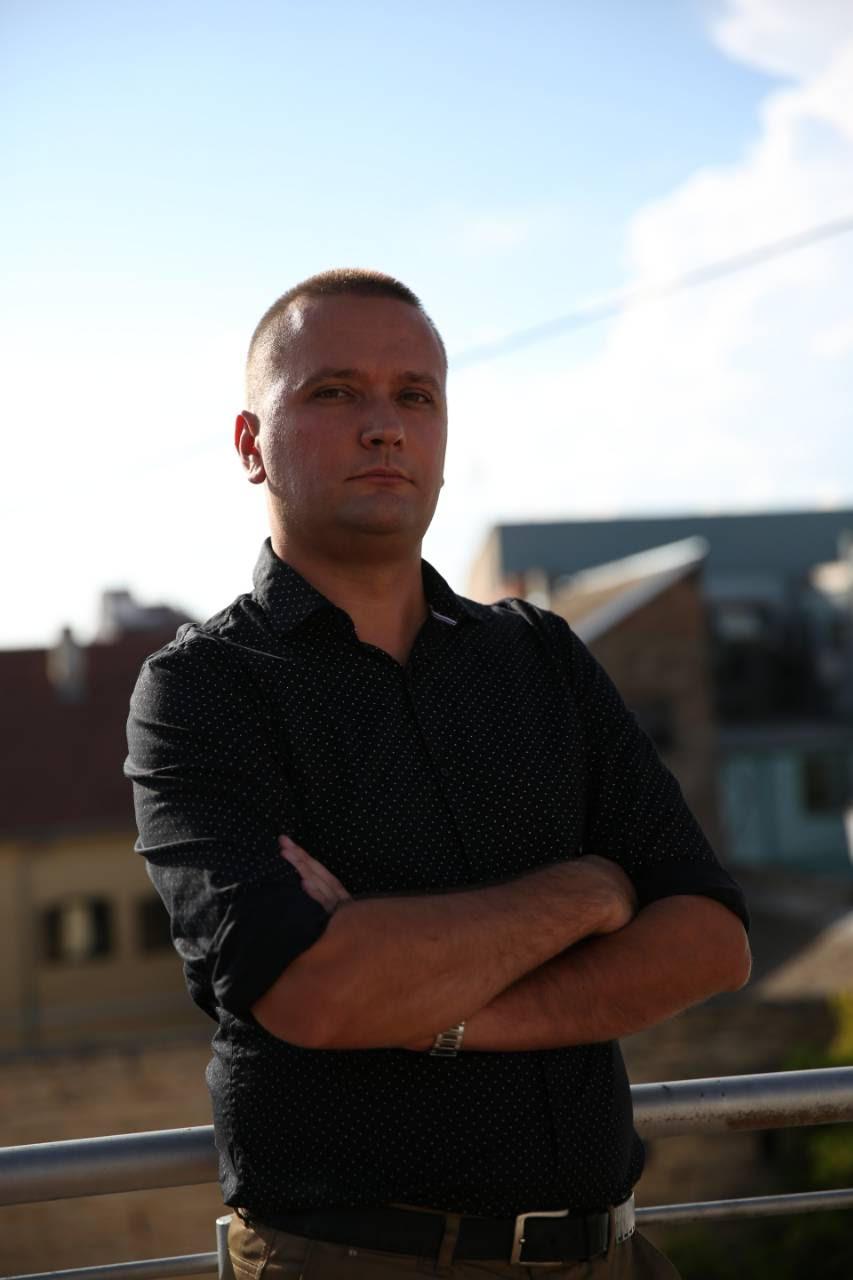
He also referred to Abazovic's messages regarding the dialogue between Belgrade and Pristina, especially the part where he indicated that it would be good if an eventual agreement would be reached while Aleksandar Vucic was in power.
"Anyone who understands political processes, at all, can conclude the same thing. The bottom line when we talk about historical agreements, and the agreement between Belgrade and Pristina, the Serbs and Albanians would certainly have a historical character, is that it is something they can be achieved only by leaders with great authority and statesmen who have the strength and capacity to make great strides. Aleksandar Vucic has great support from the citizens of Serbia, it seems like no one before him, since Slobodan Milosevic, and therefore in such circumstances, he has both a legal and legitimate right and the possibility of following the path of that historic agreement with the Albanians. Of course, which would not cross the 'red lines' that the president spoke of. Abazovic, in my opinion, reasons correctly and points to the fact that for such great strides, such as a possible agreement between the Serbs and Albanians, people with great capacities and statesmen who have great support from the citizens are needed. Vucic certainly has that," Graovac says.
Our interlocutor adds that by visiting Kosovo, Abazovic wanted to send a message to the Western factor that he was someone they could still count on, regardless of the results of the presidential elections in Montenegro, which somehow did not go in his favor, even though he had not participated.
"The fact is that Aleksa Becic, who was supported by Abazovic and with whom he was in a kind of coalition before the presidential elections, achieved a bad result. The movement of the Montenegrin political scene is going in the direction, when we talk about those civic political forces, of strengthening "Europe now" and not Abazovic's URA (United Reform Action) or the Democrats. So Abazovic and his political group will be in stagnation or maybe even declining in the coming period. Under these circumstances, Abazovic is making this move to visit Kosovo in order to recommend himself to Western political actors as someone who is not a man of the past, someone who after the elections in Montenegro will be someone who can no longer be counted on, but someone who can still play a significant role when it comes to regional and stability in Montenegro," Graovac says.


0 comments